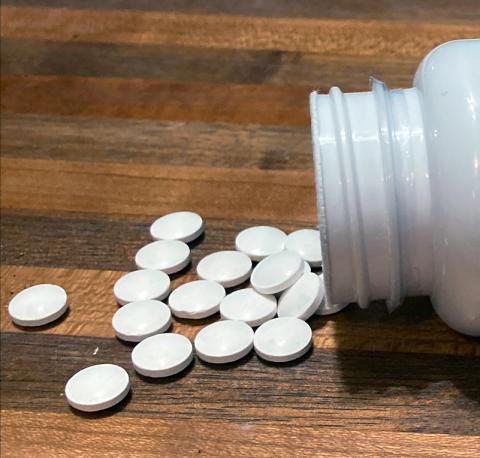
What is melatonin and what is it used for as a supplement?
Melatonin is a neurohormone synthesised by the brain in response to darkness. It regulates the sleep-wake cycle, induces sleep and has antioxidant and immune system regulatory functions. Light, through the ‘central biological clock’ located in the hypothalamus, which determines the circadian rhythm, regulates melatonin synthesis through the pineal gland.
Melatonin is useful for insomnia or jet lag disorder, but its synthesis decreases with age. Melatonin supplements are very well tolerated, although medical supervision is recommended for chronic treatments.
Are we talking about the same melatonin product?
No. It is important to note that there are two types of melatonin:
- Immediate-release melatonin: acts for about four hours, is useful for inducing sleep and is not subject to medical prescription, i.e. it does not require a prescription, so it is less regulated by the AEMPS. It is regulated in the same way as omega 3 supplements, for example.
- Extended-release melatonin: there are only two brands on the market. It acts throughout the night, especially one of the products, which also induces sleep and is effective in improving sleep fragmentation. They require a prescription, so they are highly regulated.
Which products have a prolonged effect?
As we have seen, when talking about real ‘long-acting’ products, it is important to know that there are only two products on the market and their price exceeds £25 (it can exceed £30). It may be that what is released gradually are supplements such as passionflower, valerian, etc., or we are told that it is melatonin, part of which is released gradually, ensuring sustained release over time, without clarifying the type of mechanism. Therefore, to avoid being given something that is not what it claims to be, it is important to bear in mind that if a prescription is not required for “extended-release” melatonin, it is a fake.
As for concentration, do the products really contain 1 mg of melatonin?
There is reason to doubt: the advertised concentration may not correspond to the actual concentration of melatonin. One study analysed 31 products containing melatonin and found a ‘significant difference’ between reality and advertising (Erland et al., JCSM).
Is it safe for children?
To date, more than 1,100 studies have been conducted on melatonin in children under six years of age, including 41 meta-analyses and 71 systematic reviews, even in newborns (one of which aimed to administer melatonin to accelerate their maturation (Carloni et al., Molecules 2017).
As acknowledged by the authors of the article published a few days ago in JAMA Network Open, the results of the observational studies included in the review may not be generalisable internationally due to differences in access to melatonin products in different national health systems.
Furthermore, many studies lack statistical power calculations and consideration of confounding factors, which could influence the results. Safety has been evaluated over a period of up to two years, and adverse effects are generally very well tolerated. It is true that short-term, double-blind, randomised, placebo-controlled trials have not revealed any serious adverse effects, but we lack data on long-term use. However, the widespread use of melatonin products worldwide, with no reports of serious adverse effects, could be considered reassuring, although this does not justify complacency.
Is it effective in minors?
Thousands of children under the age of six take immediate-release melatonin, usually prescribed by their primary care paediatrician, although it does not require a prescription. Approximately 80% receive it inappropriately, according to our observations in the Paediatric Sleep Disorders Unit at La Paz University Hospital (Madrid), with patients who have maintenance insomnia (frequent awakenings). In these cases, immediate-release melatonin (without a prescription), with or without other supplements, is not effective, mainly because it does not last until the third third of the night.
Where can I buy immediate-release melatonin that does not require a prescription?
It's like condoms: it's sold in pharmacies, chemists, supermarkets, etc. We'll end up buying melatonin from vending machines! For years, scientific societies related to sleep medicine (SES, SEN, FESMES, AEP, SEPAP, etc.) have been demanding that immediate-release melatonin be considered a medicine and not a nutritional supplement, and that a prescription always be required.