What we know
The SMC team produces explanatory articles on topical issues to answer society’s questions, with the necessary context and depth.
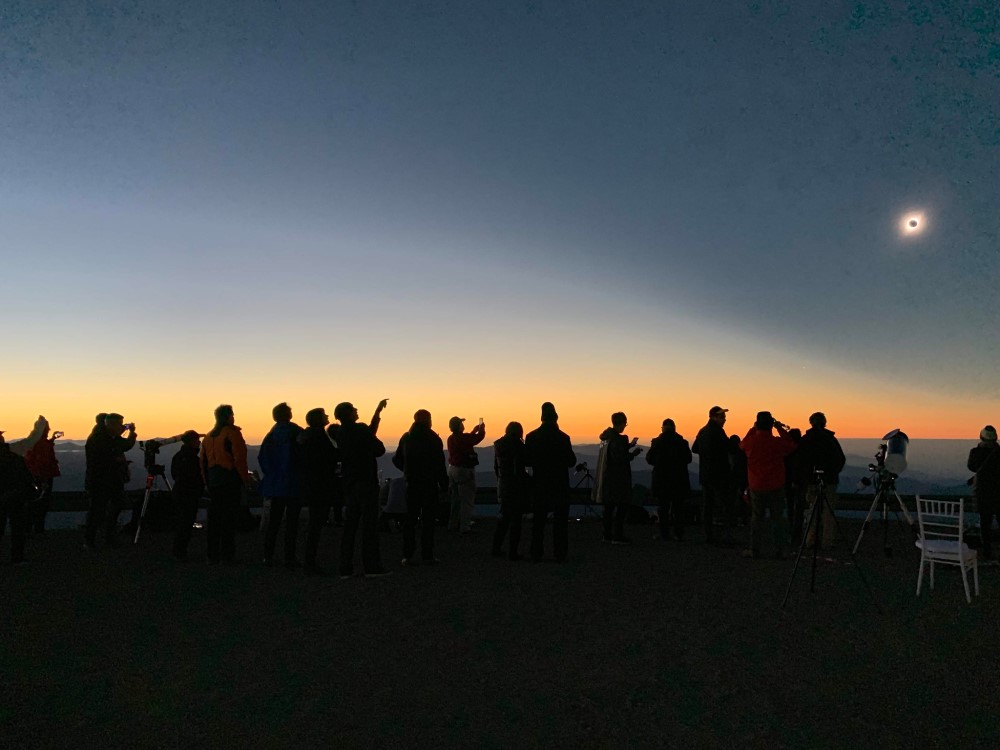
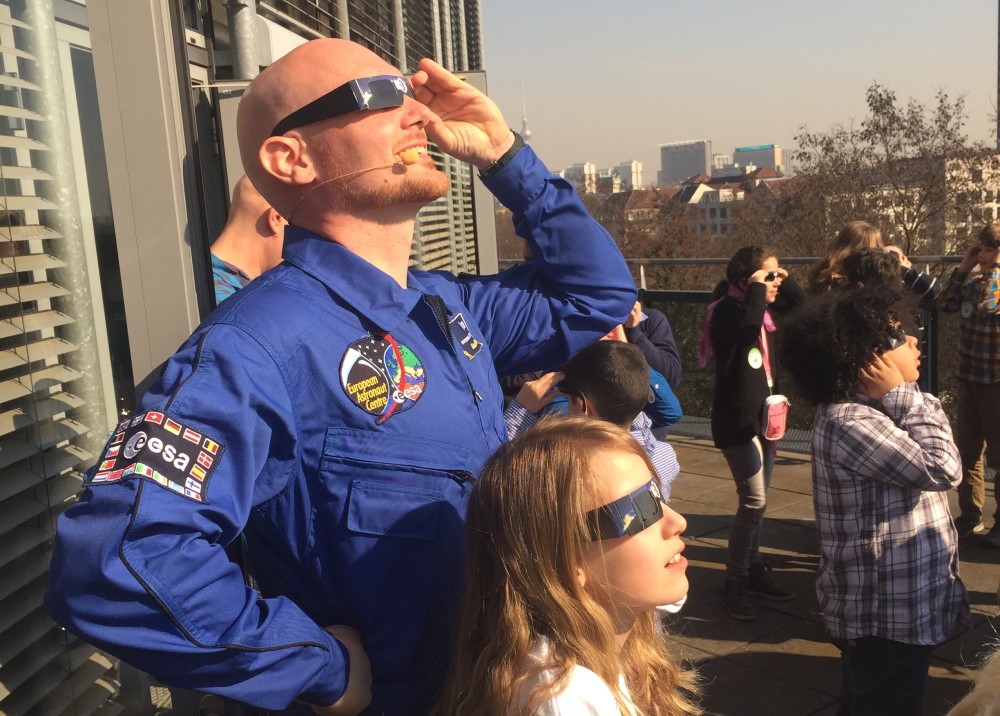
To fully experience the astronomical phenomenon of a total eclipse, you need to prepare in advance. The main concern is eye safety, but there are other health risks that can easily be avoided. We explain the main personal precautions to bear in mind.
Air conditioning in buildings is necessary to combat the high temperatures of summers, which are becoming increasingly long and hot; however, it is not without controversy due to its energy consumption and environmental impact. Today, the WHO is presenting its new guidance on health and heat action plans, in which it acknowledges that air conditioning is problematic, while also emphasizing the need for vulnerable populations to have access to these systems. In a recent briefing organized by SMC Spain, we analyzed its role in the fight against global warming.
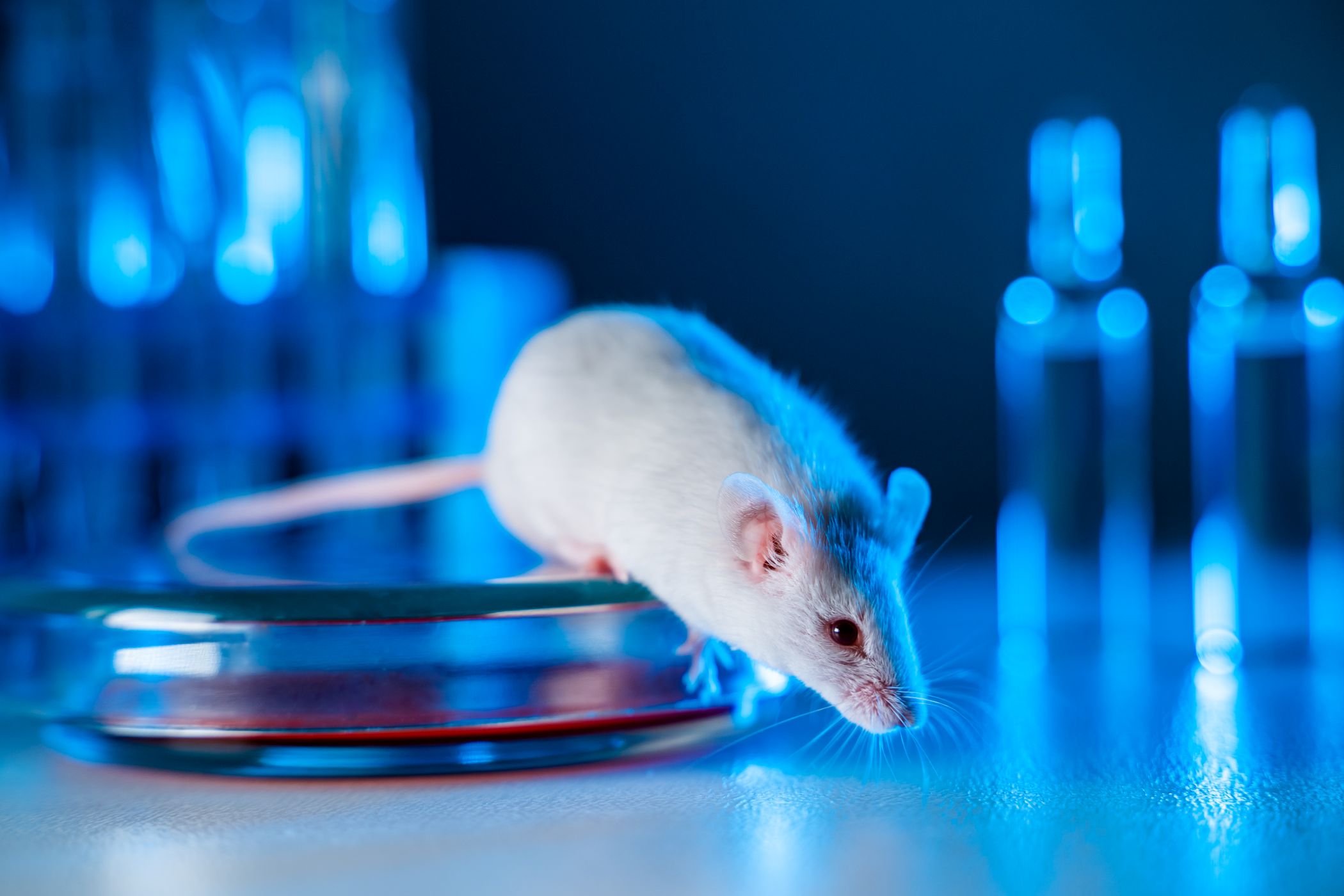
We often see headlines claiming that new research has found a ‘cure’ for diseases. However, what are the real chances of this being true? How does the current stage of the research affect its ultimate outcome? Has it already been tested on humans, or only on laboratory animals? In this article, we explain why animals are used in biomedicine, the reasons why mice are the most commonly used, the steps and timeframes involved from when a treatment appears effective until it can be determined whether it works in people, the characteristics and limitations of various disease models, and how results should be communicated to inform the public without raising false hopes.
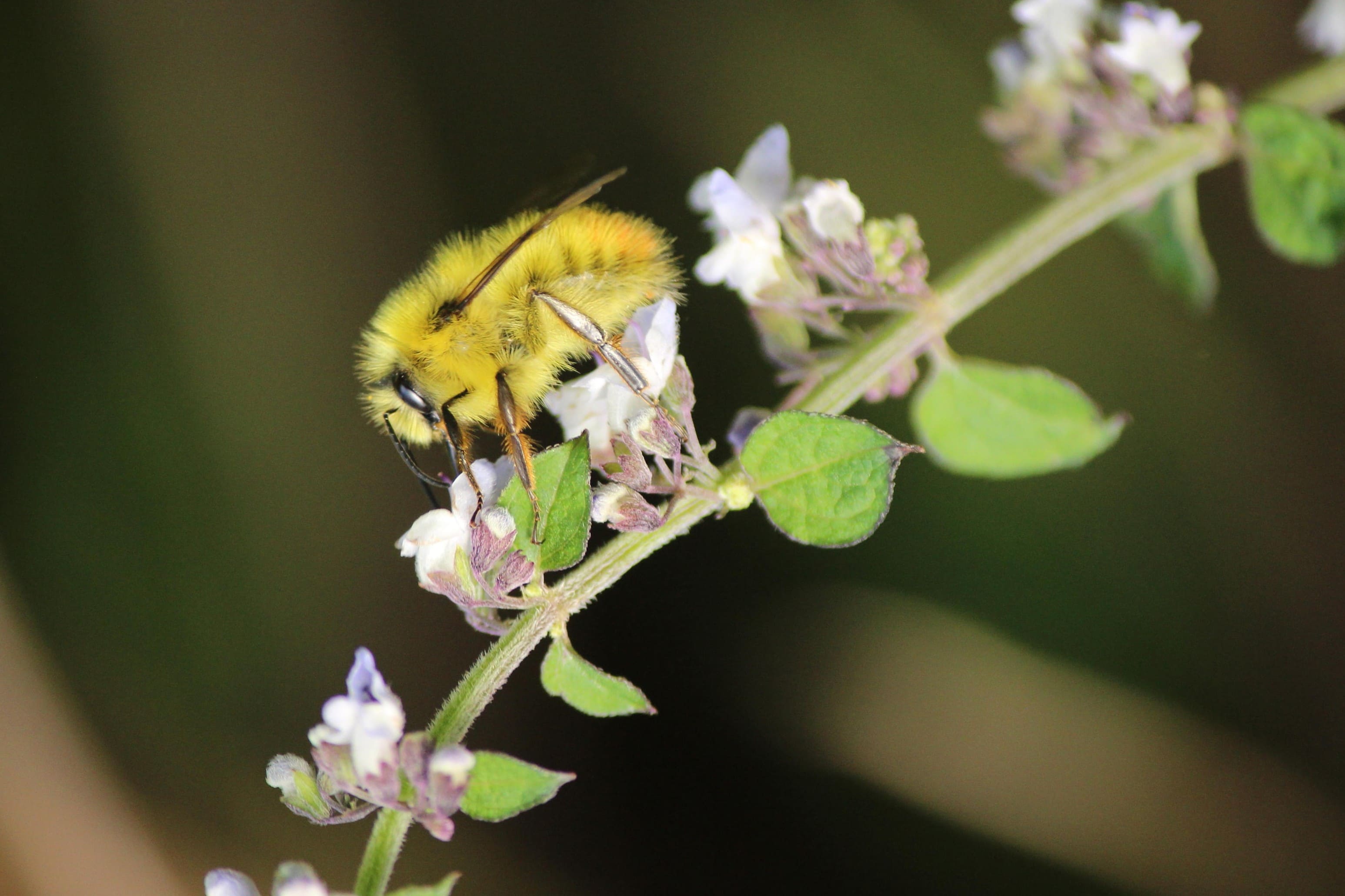
Decades ago, concerns began to be raised about the decline in honeybee populations. Although their situation has improved, the same cannot be said for other pollinating insects. Together, they enable the reproduction of nearly 90% of flowering plants and directly contribute to three out of every four crops that feed the world. We examine the causes of this decline, their current situation, and the measures being taken to protect them.
The European Union is close to passing legislation to facilitate the use of plants edited using CRISPR, a technology that makes it possible to modify the genome of living organisms with precision. The Council of Ministers of the EU is scheduled to deliberate on this legislation on 21 April, and in this article we explain what these techniques are, their potential benefits and risks, and how they will be regulated.
Premature births, babies born with birth defects, bad luck, satellite and telecommunications failures… Eclipses are attributed with a wide variety of consequences that have no scientific basis and are largely rooted in cultural traditions and deep-seated misconceptions. With the help of expert sources, in this article we explain why some people believe in them, what the main risks are and how to counter them.
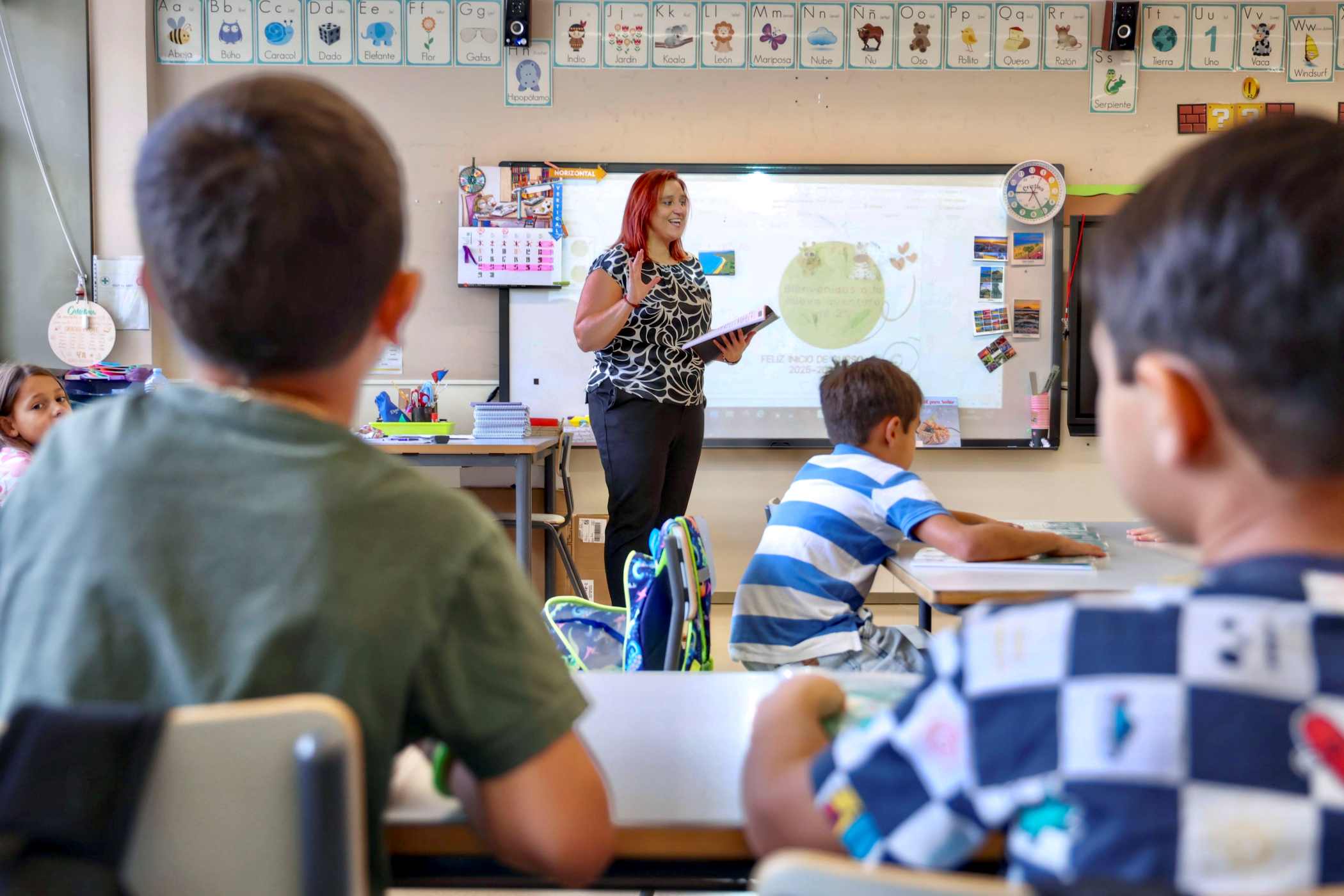
How much homework do teachers assign? If children spend more time doing homework, do they get better grades? What should homework be like in order to be useful? There are conflicting opinions on this subject, as well as a great deal of academic research. In this article, we present evidence to unravel some of the controversies –with a focus on primary education, which is usually completed between the ages of six and twelve.
The study of psychedelic drugs in pharmacological treatments had its eureka moment with chemist Albert Hofmann's famous bike ride under the influence of LSD in 1938 and then developed over decades, but with Richard Nixon it was shelved. In recent years, it has resurfaced in hospitals and laboratories around the world. Last week, the Congress of Deputies hosted a conference on these substances. We explain what they are, what they are used for, the current state of research, and their risks, with the help of expert sources.
A few days ago, research published in JAMA Network Open showed that, although the use of melatonin in children is growing, its effectiveness and long-term effects are unknown. It is important to note that there are several types of melatonin, with or without a prescription, and their effects also differ in children and adults.