A robotic device aids neuromuscular recovery in children with spinal muscular atrophy
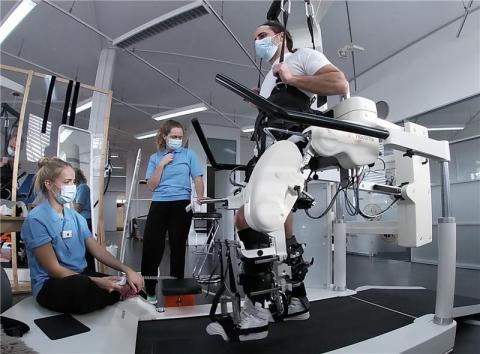
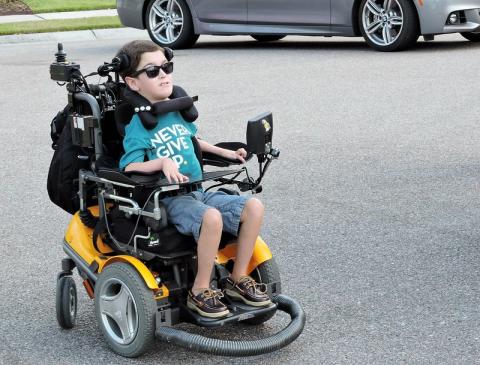
A lightweight robotic device aids neuromuscular recovery in children with spinal muscular atrophy, helping them to stand unaided, according to a study published in Nature. The research involved six participants aged between six and 10 and shows that the device achieved significant improvements in lower limb motor function after six weeks of assisted training. The study highlights that the improvement persists after training is discontinued and conventional physiotherapy routines are resumed, demonstrating the potential for lasting recovery.
Elena y Carlos - exoesqueleto AMS
Elena García Armada
CEO and founder of Marsi Bionics and a research scientist at the CSIC on leave of absence
Carlos Cumplido
Medical Director at Marsi Bionics
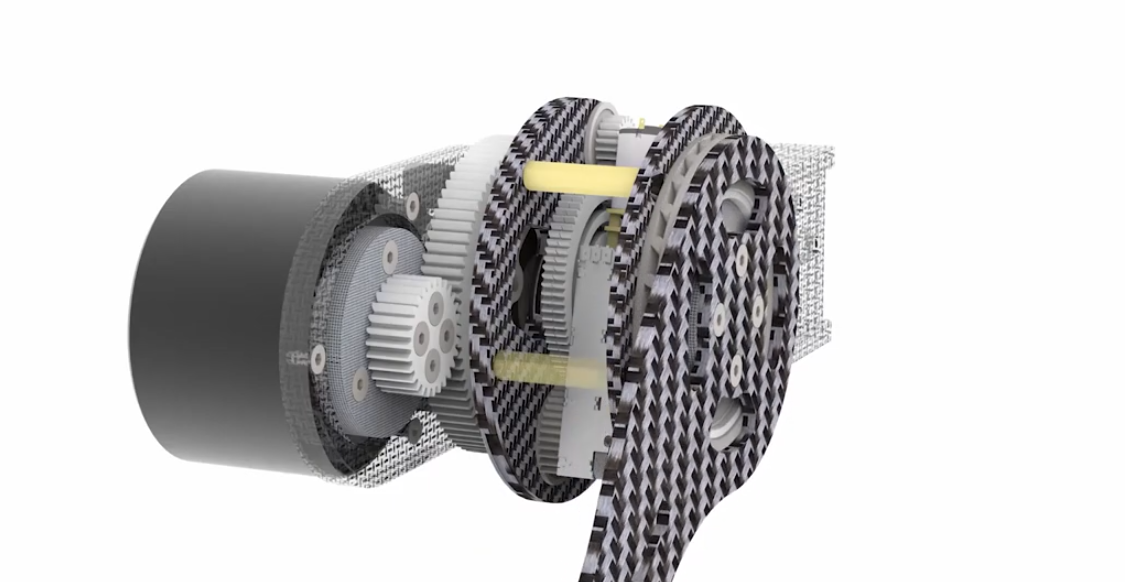
The study describes neuromuscular resistance training for patients with type II spinal muscular atrophy using a robot for isokinetic knee training, which is based on a variable stiffness mechanism. The training aims to engage the child (using gamification). After six weeks of intervention, followed by a further six weeks of lower-intensity intervention, the positive effects on physiological parameters persist without further intervention for the following 30 days.
From a clinical perspective, this is an innovative study as it combines torque + ROM + MRI (magnetic resonance imaging, key for measuring muscle volume, area and quadriceps hypertrophy) + CMAP (compound muscle action potential, which stimulates the femoral nerve and records the electrical response, measuring the amplitude in mV) + sit-to-stand.
The article reinforces the idea that inducing active neuromuscular adaptation through resistance/intensity using robotics can modify physiological parameters. The paper also recognises the value of home-based use of robotics in providing continuity, repeated intensity, portability and real-world transfer.
Some weaker aspects: the authors acknowledge that the sample size is extremely small to draw solid conclusions and, furthermore, a randomised control group has not been used.
Additionally, we recommend caution with headlines as they often generate high expectations among the affected groups.
Conflict of interest: "Elena García is the CEO and founder of the company that develops and markets the ATLAS 2030 exoskeleton, which is the subject of this article."
Li et al.
- Research article
- Peer reviewed