Jorge Hernández Bernal

Jorge Hernández Bernal

Jorge Hernández Bernal
Position

Researcher in the Laboratoire de Météorologie Dynamique, Sorbonne Université, CNRS (France)

Lithium pollution from Falcon 9 re-entry into the atmosphere measured for the first time
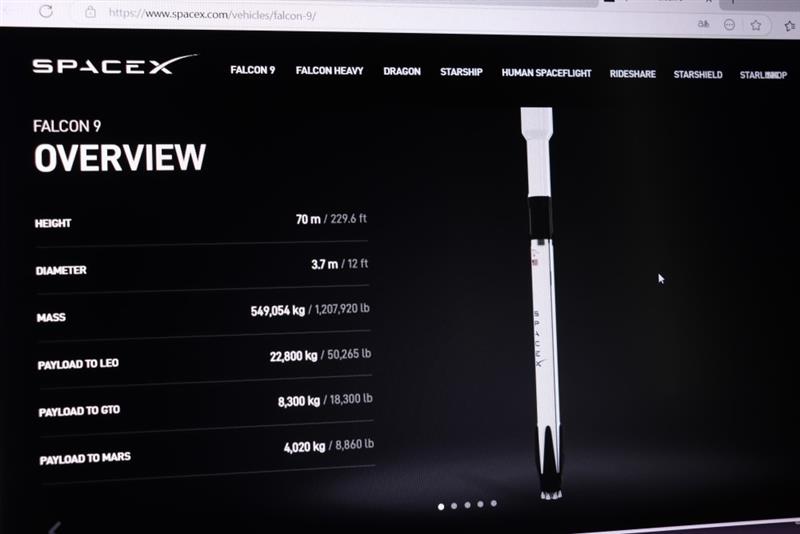
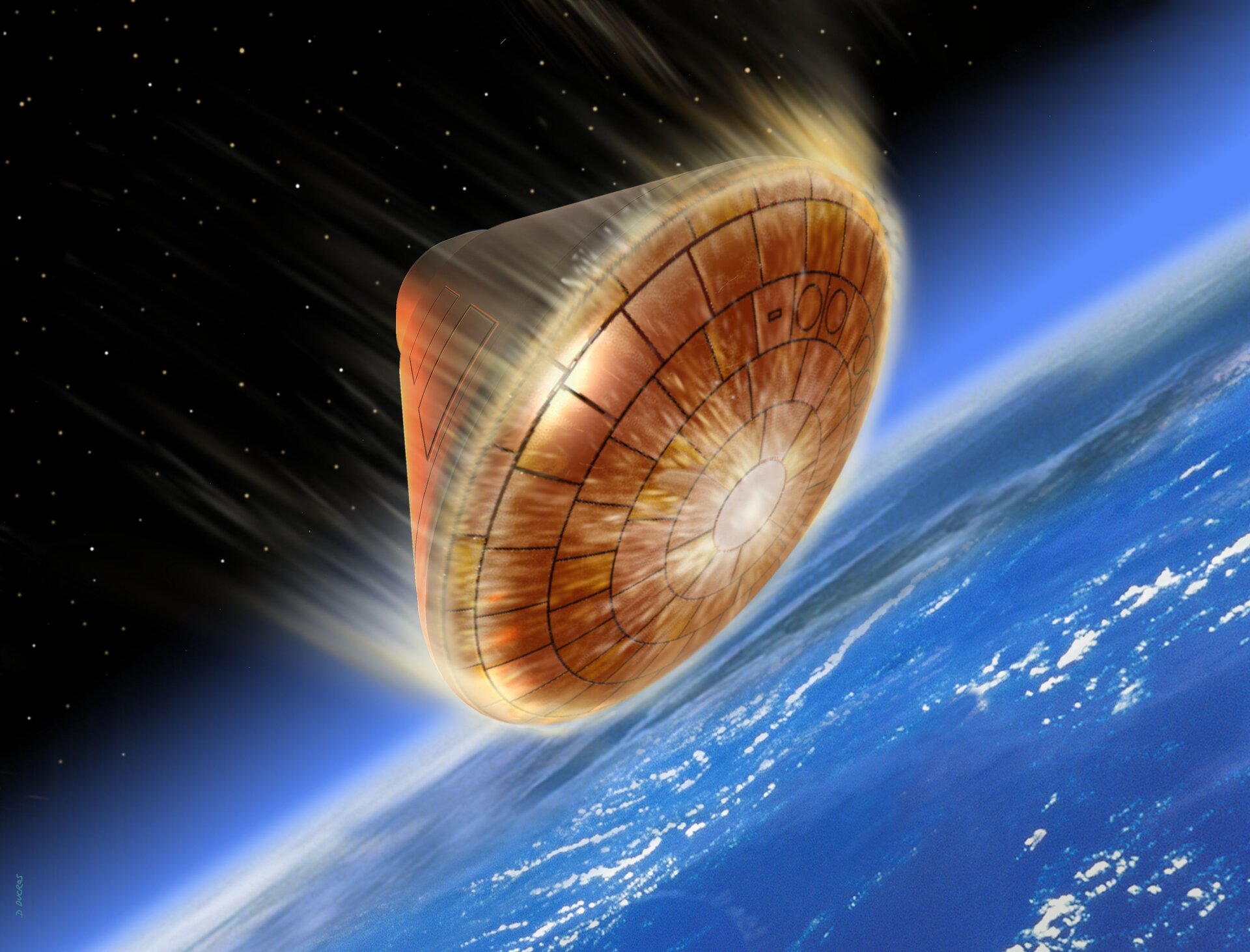
In February 2025, lithium concentrations suddenly increased around 96 km above sea level some 20 hours after a SpaceX Falcon 9 launch vehicle re-entered the atmosphere. This is the first direct detection of pollution in the upper atmosphere due to the re-entry of a spacecraft, according to a study published in Communications Earth & Environment. Lithium is used in spacecraft components, but it is only found naturally at these altitudes in trace amounts, and its accumulation could have consequences on the climate.

0
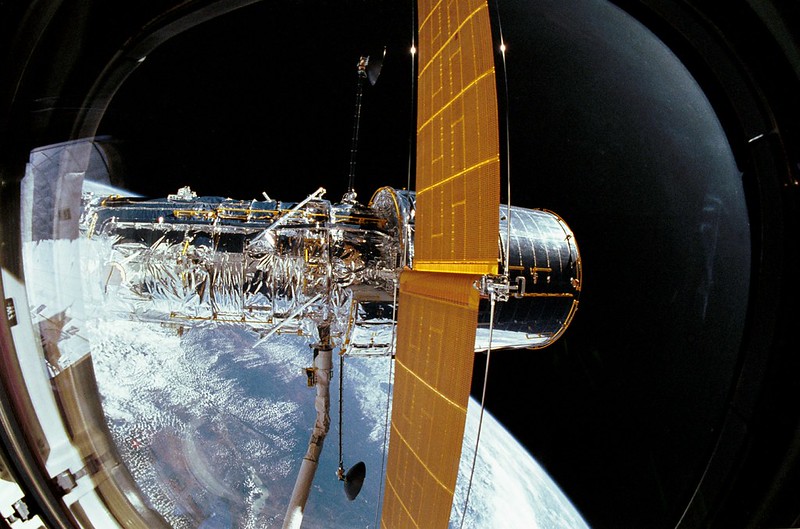
A study warns of the impact that satellite megaconstellations will have on images from space telescopes such as Hubble

The rapid growth of satellite constellations threatens the operation of space telescopes, according to a study published in Nature. If the planned launches are completed, the Hubble Space Telescope could see more than a third of its images affected by light pollution from these satellites, as they share the same orbital space, while other telescopes would have more than 96% of their images damaged, the authors estimate.

0

European Southern Observatory denounces industrial megaproject threatening Chile's Paranal Observatory, the world's darkest observatory

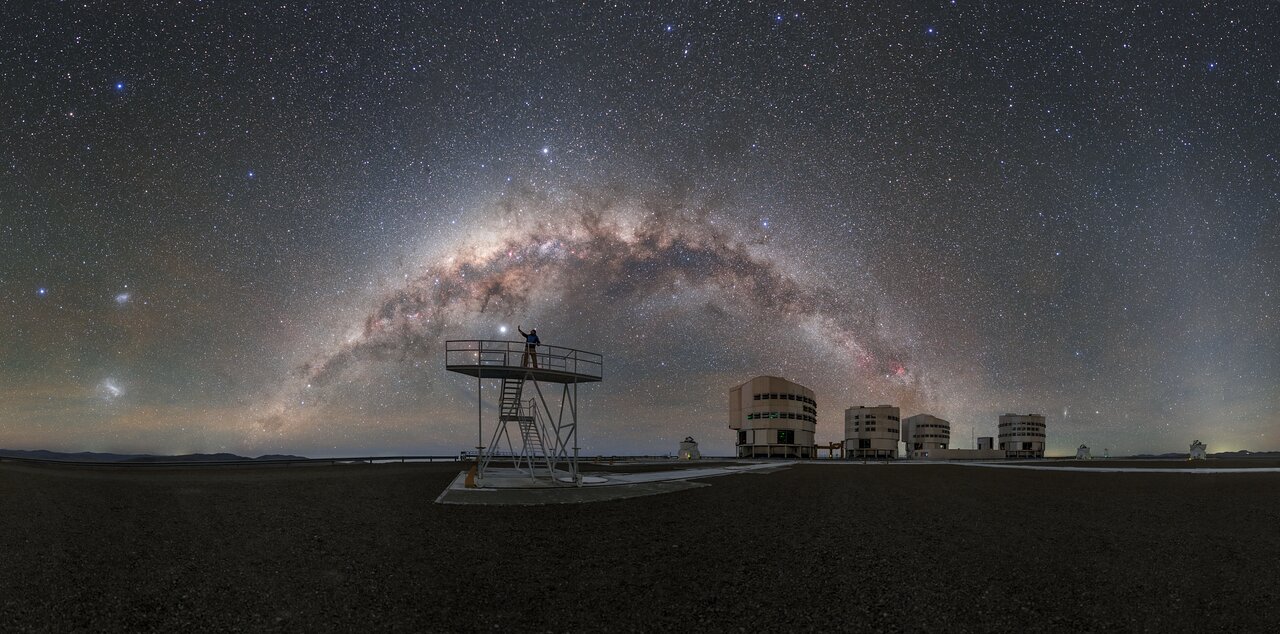
In a press release, the European Southern Observatory (ESO) warns that a huge industrial complex threatens the skies above the Paranal Observatory in Chile's Atacama Desert. According to ESO, on 24 December, AES Andes, a subsidiary of the US electricity company AES Corporation, submitted for environmental impact assessment a project for a huge industrial complex that would be located between 5 and 11 kilometres from the Paranal telescopes. This astronomical observatory, the darkest in the world, has led to important breakthroughs, such as the first image of an exoplanet or the confirmation of the accelerated expansion of the universe.

0

Reactions to the fall of a large Chinese rocket fragment to Earth have closed part of the airspace

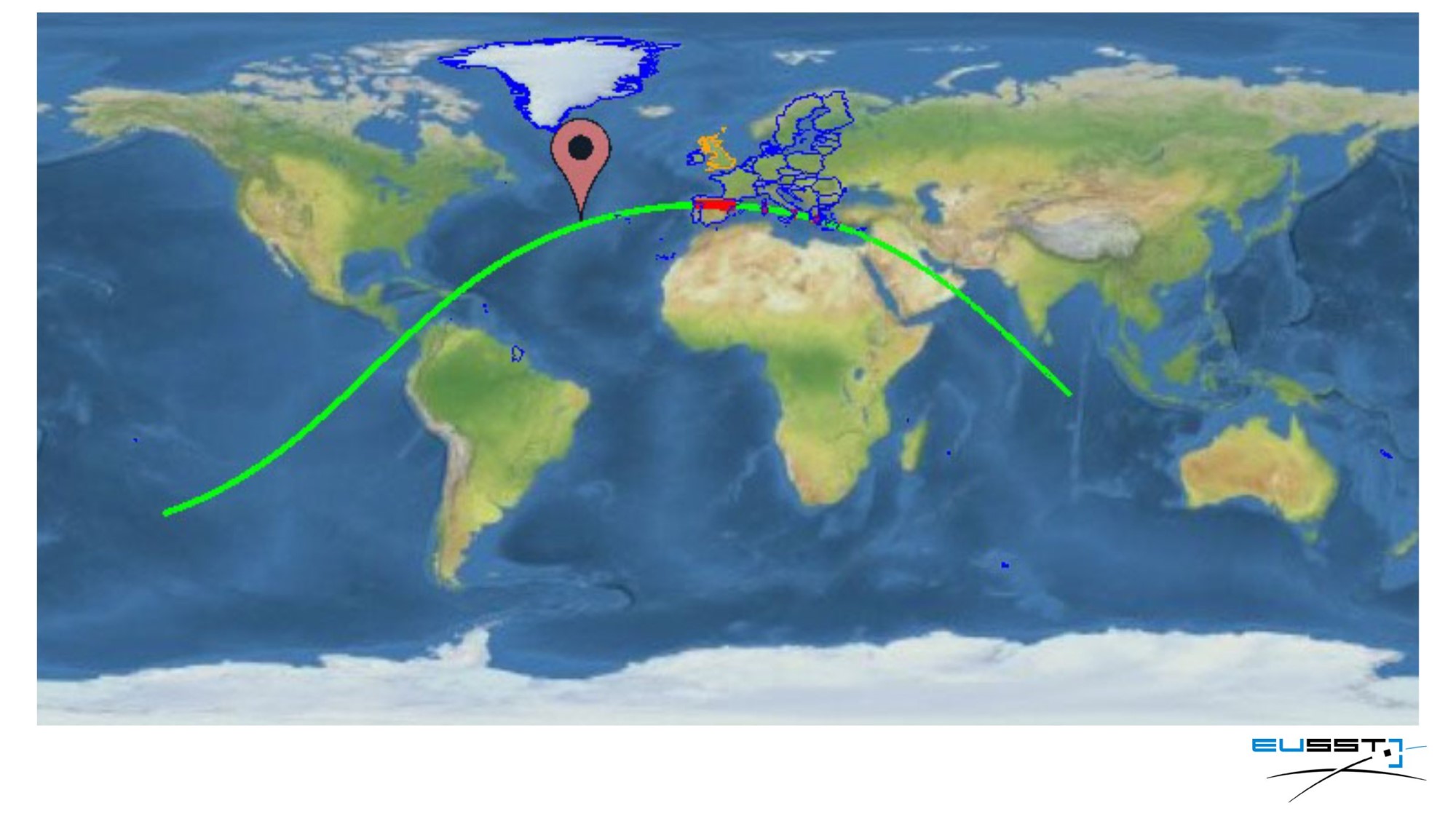
Early this morning, the Spanish air navigation manager restricted a strip of airspace due to the possible passage of the Chinese space object CZ-5B, which had detached from the Long-March 5B rocket. The fragment finally fell over the Pacific Ocean and Spanish airspace is no longer restricted.

0