12 de Octubre University Hospital Research Institute
If you are the contact person for this centre and you wish to make any changes, please contact us.
Researcher at GenELA - Genetic Diagnosis and ALS Research Laboratory, 12 de Octubre University Hospital, 12 de Octubre Hospital Health Research Institute, Biomedical Research Network Center for Rare Diseases (CIBERER)
Professor of Pharmacology and Vice-Chancellor for Research and Science at Camilo José Cela University (Madrid), and research member of the 12 de Octubre Hospital Research Institute and the HM Hospitals Health Research Institute (IISHM)
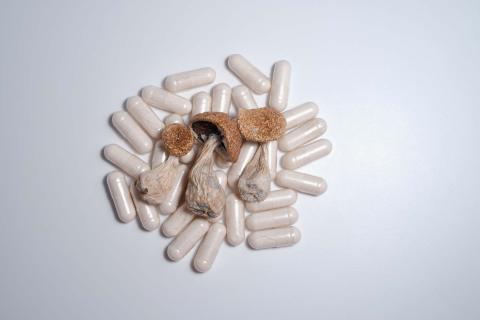
A meta-analysis published in the journal JAMA Psychiatry showed that psychedelic-assisted therapy is no more effective against depression than traditional antidepressants in clinical trials. The research found differences in the use of double-blind methods—that is, when neither the participants nor the researchers know which treatment each group is receiving—which minimises subjective influences on the results. Double-blinding made a difference in the case of traditional drugs, but not in the case of psychedelics, confirming that these trials are, in practice, always open-label.
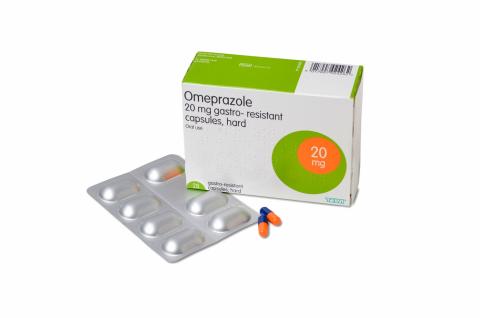
Several recent studies had concluded that the risk of gastric cancer doubled with the use of drugs such as omeprazole – proton pump inhibitors. A new study published in The BMJ states that there is no association between prolonged use of these drugs and the risk of gastric adenocarcinoma. The research used prospective data from registries in Denmark, Finland, Iceland, Norway, and Sweden between 1994 and 2020. The study included more than 17,000 patients with gastric adenocarcinoma (other than cardia cancer) who had been exposed to these drugs for more than one year.

Researchers in the United States have used stem cells created from patients with a very rare type of ALS, more prevalent in Brazil, to target a key gene in the stress response and reverse the damage suffered by motor neurons in the laboratory. They believe it is "a promising proof-of-concept for future therapeutic strategies" and "could help lay the foundation for genetically informed clinical trials".
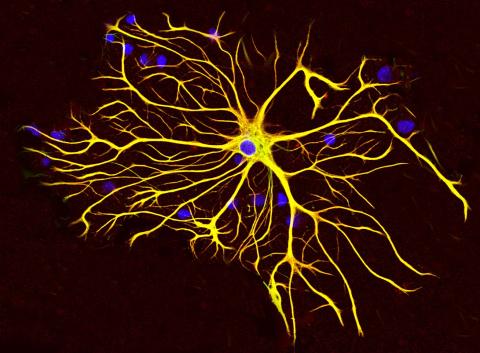
Until now, memories have been explained by the activity of neurons that respond to learning events and control recall. A study published in Nature changes this theory by showing that non-neuronal cells in the brain called astrocytes - star-shaped cells - also store memories and work in concert with clusters of connected neurons called engrams to regulate the storage and retrieval of memories.

Research involving 10,775 adults shows that a higher percentage of daily energy intake from ultra-processed foods was associated with cognitive impairment. The results are published in the journal JAMA Neurology.