
Cajal Institute (CSIC)
If you are the contact person for this centre and you wish to make any changes, please contact us.
Researcher at the Instituto Cajal, CSIC
Director of the Lifestyle and Cognition research group at the Cajal Institute of the CSIC
CSIC research professor at the Cajal Institute

Various studies have shown that exercise benefits the brain. Now, an international team has studied in mice how physical activity affects the brain and how these changes influence the effects of exercise. The research, published in Neuron, has shown that physical activity causes brain changes in a region of the hypothalamus involved in how the body uses energy and in regulating blood sugar. If these neurons were blocked immediately after exercise, the animals showed no improvement in endurance or metabolism with training. The authors suggest that activating these neurons may help the body recover faster, allowing other parts, such as the muscles, lungs, and heart, to adapt more quickly to more intense workouts.
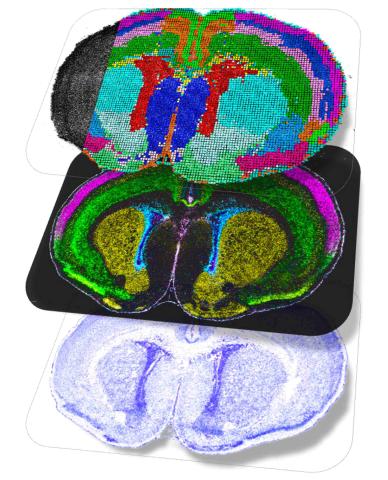
An international consortium has published the most detailed maps to date of brain development in mammals, including mice and humans. According to the researchers, this work provides a detailed outline of how different types of brain cells arise and mature over time, which “will allow us to begin discovering how alterations in this process can lead to disorders such as autism or schizophrenia.” The results are published simultaneously in a set of 12 articles in the journal Nature.
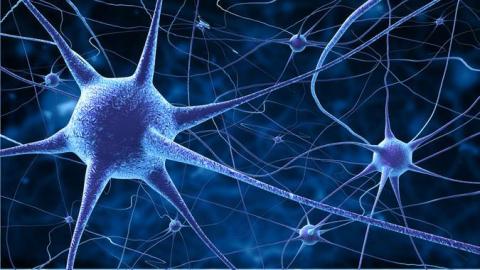
A study published in Nature in which researchers from the University of Valencia have participated has identified a neuron migration route that begins in the foetus around mid-gestation and continues until between two and three years of age. The route extends from the lateral ventricle, where these cells are born, to the entorhinal cortex, an area related to the regions where memory and learning are consolidated. There, neurons await signals that induce them to mature, providing plasticity to the brain after birth.

The Science group of journals publishes several parts of a high-resolution atlas of human brain cells, the largest 'map' of its kind to date. It is a series of papers from an international mega-project, the Brain Research through Advancing Innovative Neurotechnologies (BRAIN) Initiative - Cell Census Network (BICCN), launched in 2017 to study brain cell types and their functions in humans, non-human primates and rodents. The data "will now allow researchers to address fundamental scientific questions about the human brain and its genetic organisation," states the introduction to the journal's special issue.