Río Hortega Hospital (Valladolid)
If you are the contact person for this centre and you wish to make any changes, please contact us.
Internal Medicine Physician in the Internal Medicine Department of the Río Hortega Hospital (Valladolid)

An international team analyzed data from 262 clinical trials involving 100,000 people, which evaluated a total of 19 currently available obesity drugs, including GLP-1 analogs such as semaglutide and tirzepatide. Overall, the results indicate that, despite substantial weight loss, most of the drugs do not significantly improve quality of life, and few show cardiovascular benefits after one year of treatment. Furthermore, those that achieved greater weight loss were often associated with more side effects. The study is published in The BMJ.

In the treatment of obesity, maintaining weight loss is the most difficult phase. Two independent clinical trials published in Nature Medicine have adopted two different strategies to achieve this. The first is a phase 3b trial involving the GLP-1 drug orforglipron, administered orally on a daily basis for 52 weeks. This trial included 376 adults in the United States who had already completed 72 weeks of injectable treatment with tirzepatide or semaglutide. Almost 75% and 80% respectively of patients on each injectable drug maintained their weight loss. The second trial involved 90 obese adults from the Netherlands who followed a low-calorie diet for eight weeks and then received a daily supplement of the bacterium Akkermansia muciniphila for 24 weeks, alongside a healthy diet. Although those who received the supplement regained more than 13% of the weight initially lost, those who took the placebo regained almost 33%.
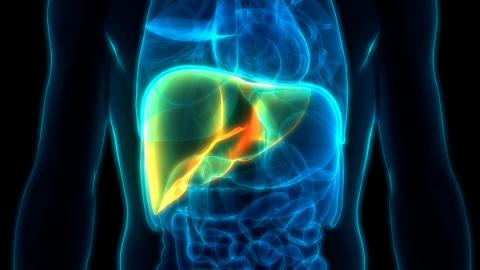
A study with Spanish participation has discovered in mice that semaglutide can improve the condition of non-alcoholic fatty liver disease not only through weight loss, but also independently, which would explain why some patients improve with minimal weight loss. “We are not saying that weight loss is unimportant, as many things improve when patients lose weight. But now we know that weight should not be the only measure of success, because GLP-1 drugs will improve liver health regardless of whether the patient loses weight or not,” the authors, who published the results in Cell Metabolism.