Spanish Fertility Society
If you are the contact person for this centre and you wish to make any changes, please contact us.
Scientific Director of the UR International Group and Coordinator of the Ethics Group of the Spanish Fertility Society
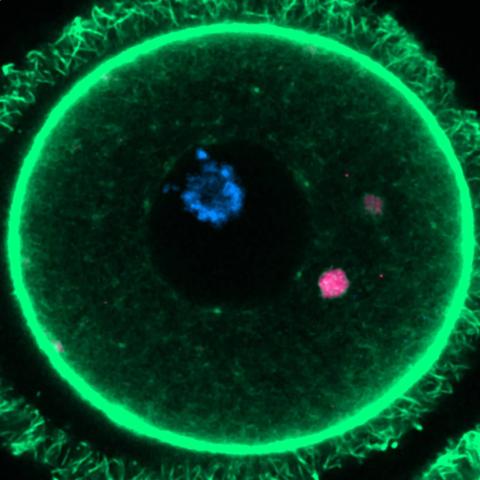
At an informative meeting organized by the Science Media Centre Spain, the coauthor of a paper published this week in the journal Cell discussed his findings with journalists. Although the study was conducted with mice, he is confident in being able to analyze human eggs to see if his conclusions could explain the loss of fertility that occurs in women with age.
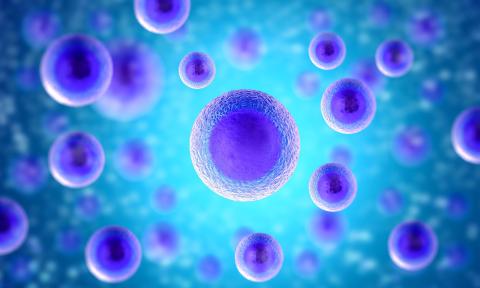
An international team, led by a Spanish group, has published the mechanism that allows immature egg reserves (oocytes) to survive for many years, up to almost half a century in the case of humans. The research studies how oocytes are affected by protein aggregates similar to those that damage other cells such as neurons and can cause neurodegenerative diseases such as Alzheimer's disease. The finding of how these egg reserves are kept healthy may help to understand some causes of infertility. The results are published in the journal Cell.
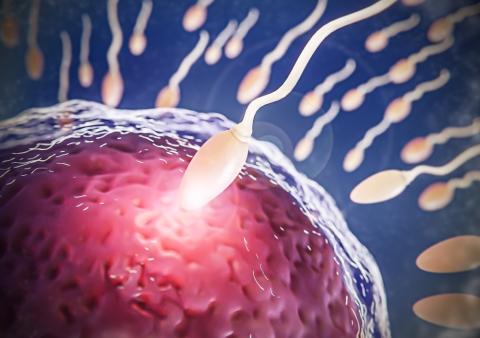
A team of researchers has demonstrated how a non-invasive ultrasound technique can increase the movement of human sperm in the laboratory by up to 266%. Using microfluidic droplets to evaluate individual sperm cells, which had not been done before, they found that ultrasound exposure induced movement in immobile sperm and improved swimming speeds in mobile ones. The work is published today in the journal Science Advances.

Spermidine is a naturally occurring compound that has been linked to increased longevity in some organisms. New research shows that supplementation with this compound improves oocyte quality and fertility in older female mice. If its action and safety in humans is confirmed, the authors argue that it could serve as a therapeutic strategy to "improve the reproductive outcome of older women, either through natural pregnancy or assisted reproductive technologies". The results are published in the journal Nature Aging.

Two decades of research has found no differences in psychological well-being and the quality of family relationships between children born through assisted reproduction with third-party intervention (gamete donation or surrogacy) and those born naturally. The results, published in Developmental Psychology, suggest that it is better to talk to them early, at preschool age, about their biological origins.
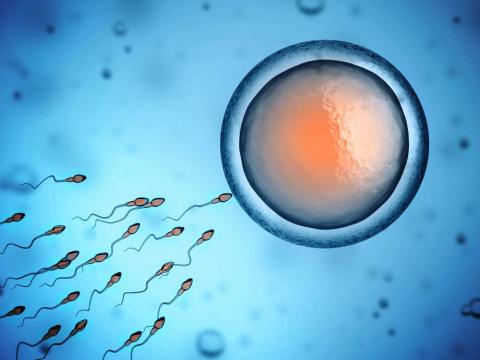
Researchers in the United States have tested a new technique to select sperm and thereby increase the chances that the embryo will be of either sex. The proven efficacy is around 80 %. Although some countries such as the United States allow this type of procedure, in Spain it is prohibited except in cases of prevention of diseases linked to sex chromosomes. The authors of the article state that sperm selection is more ethically acceptable than embryo selection. The results are published in the journal PLOS ONE.