
University of Extremadura
If you are the contact person for this centre and you wish to make any changes, please contact us.
Professor of Physiology at the University of Extremadura (UEx), Neuroimmunophysiology and Chrononutrition group.
Substitute lecturer and researcher at the Department of Physiology, Faculty of Medicine and Health Sciences of the University of Extremadura
Professor of Physical Education in the Faculty of Teacher Training at the University of Extremadura
Head of the Environmental Radioactivity Laboratory
Professor of Earth Physics at the University of Extremadura
Member of the working group of the European Academies' Science Advisory Council (EASAC) author of the report, member of the science and technology advisory group (E-STAG) of the United Nations Office for Disaster Risk Reduction (UNDRR), retired professor at the University of Extremadura, member of the Academia Europaea (The Academy of Europe) and associate researcher at the Institute for Studies on Conflicts and Humanitarian Action (IECAH).
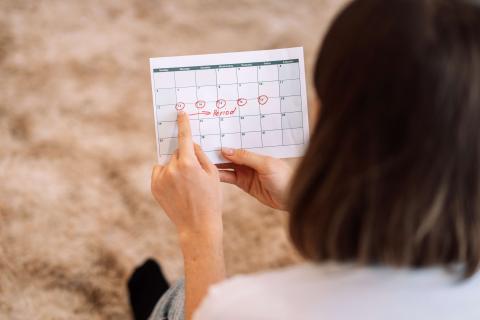
The ovarian cycle is regulated by internal circadian rhythms rather than external processes, says a study published in Science Advances. Using menstrual cycle data from some 3,000 women in Europe and North America, the authors add that the influence of the lunar cycle on women's menstrual cycle is weak, but significant.
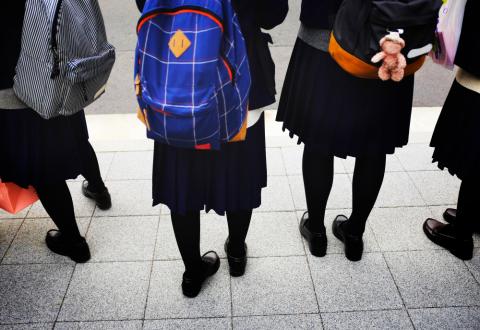
Dressing in school uniform is associated with less physical activity in children, especially primary school girls, according to a study by the University of Cambridge (UK) published in the Journal of Sport and Health Science. The study analysed data on the physical activity levels of more than one million children aged 5-17 in 135 countries, including Spain, combined with an online survey.

Results from a survey of more than 39,000 menstruating individuals reveal that 42% experienced heavier bleeding after SARS-CoV-2 vaccination. Among the most likely groups were pre-menopausal women, Hispanic or Latina women, those who had been pregnant, and those with conditions such as endometriosis and polycystic ovary syndrome.