Urbano Fra Paleo

Urbano Fra Paleo

Urbano Fra Paleo
Position

Member of the working group of the European Academies' Science Advisory Council (EASAC) author of the report, member of the science and technology advisory group (E-STAG) of the United Nations Office for Disaster Risk Reduction (UNDRR), retired professor at the University of Extremadura, member of the Academia Europaea (The Academy of Europe) and associate researcher at the Institute for Studies on Conflicts and Humanitarian Action (IECAH).


Topics

Forest fires and pest outbreaks could double in Europe before the end of this century

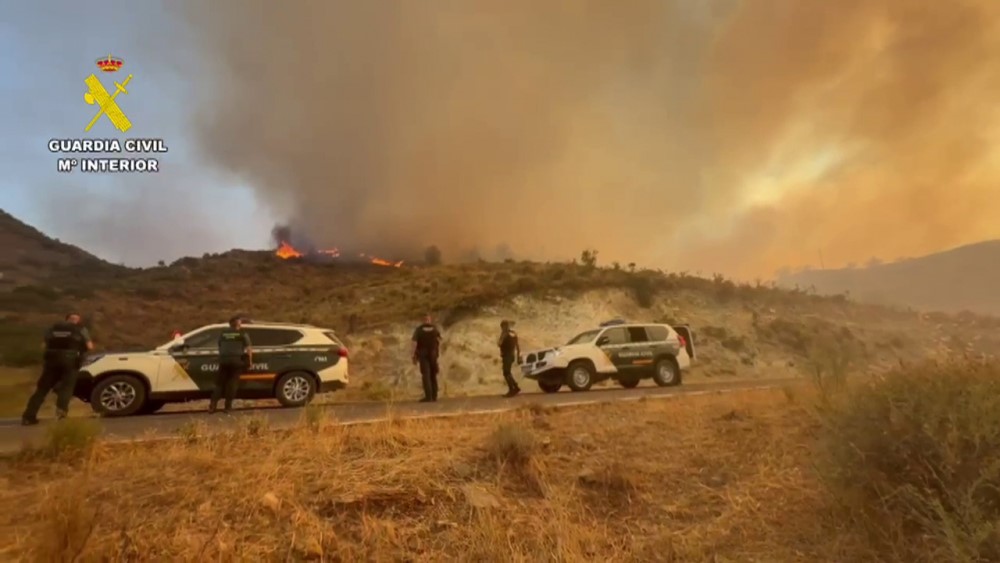
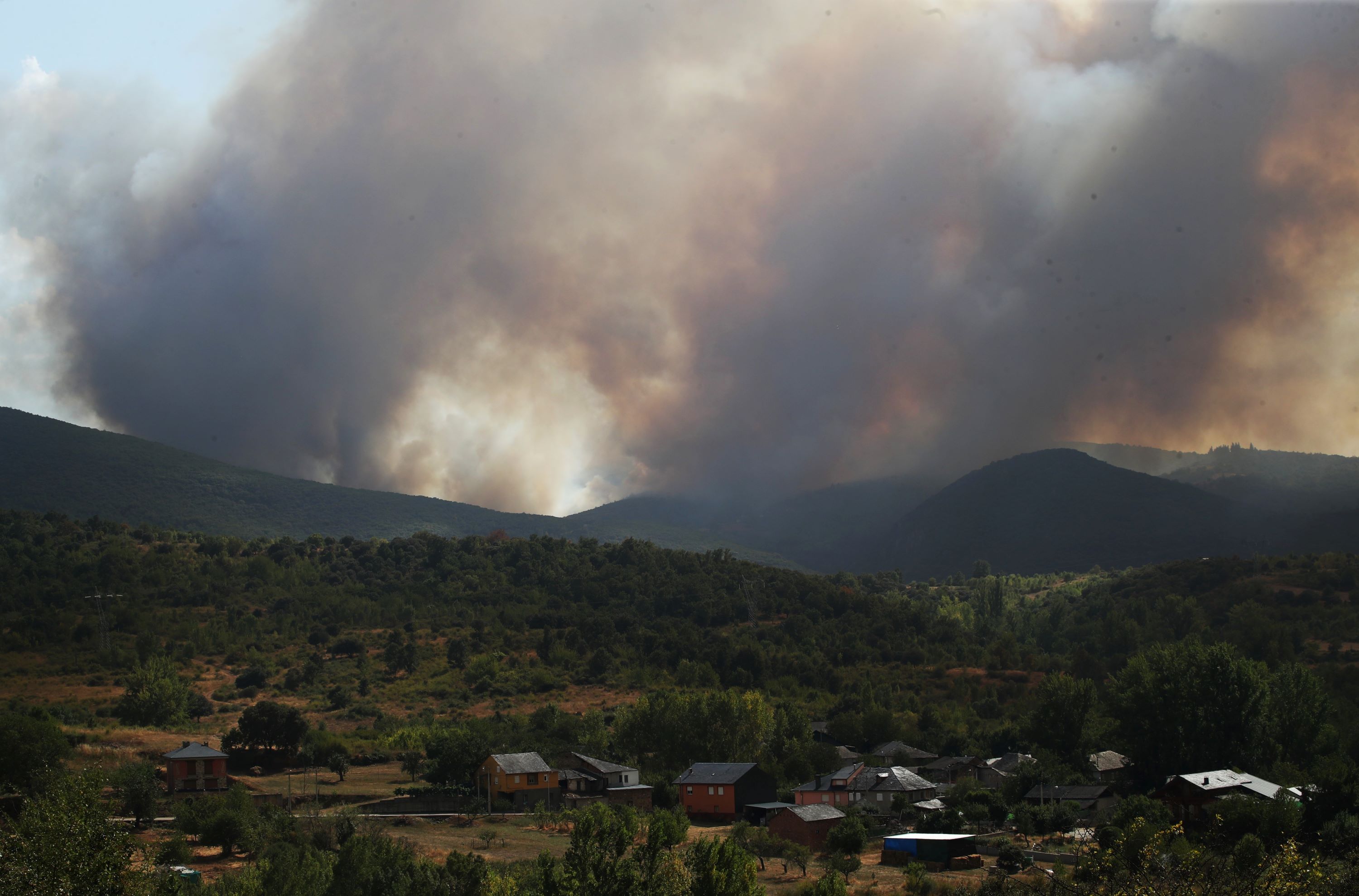
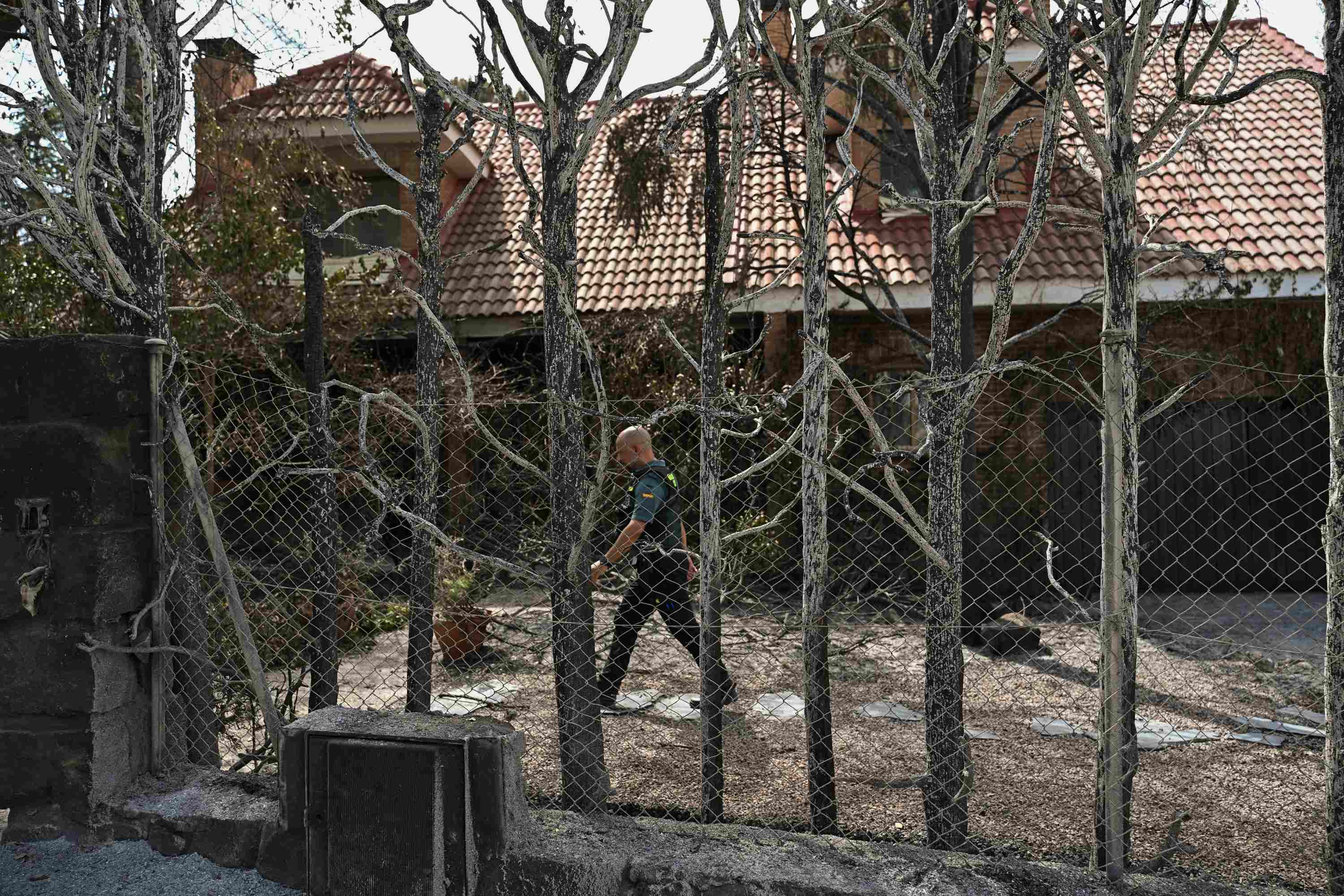
Forest disturbances in Europe—including fires, insect pest outbreaks, and windstorms—could double by the end of the 21st century compared with the 2001–2020 period if emissions are not reduced. In the case of wildfires, the annual area burned could nearly triple. The Mediterranean region ranks among the most vulnerable, and almost 90% of Mediterranean forests could be affected by increased fires and pest outbreaks under higher warming scenarios. The findings are published in a study in the journal Science involving Spanish research centers such as CREAF, the CTFC and the University of Girona.

0

How to live with fire: eight key messages for wildfire management

Extreme wildfires are becoming more frequent and causing greater environmental and social impact. Current policies that prioritise fire suppression have not only failed to prevent this situation from arising, but  actually made it worse. The report Changing Wildfires - Policy Options for a Fire-literate and Fire-adapted Europe,  released by the European Academies' Science Advisory Council (EASAC), addresses this issue by outlining eight policy options. The report's key recommendations focus on  putting landscape management first —by regulating biomass structure and land use — and empowering local communities.

1