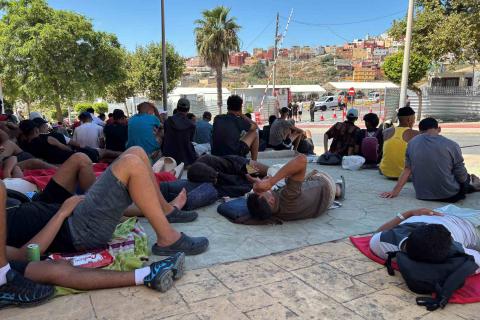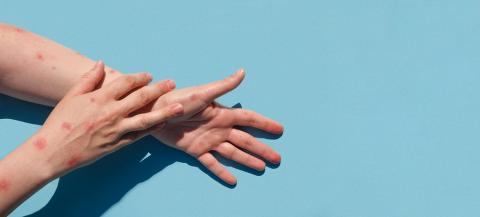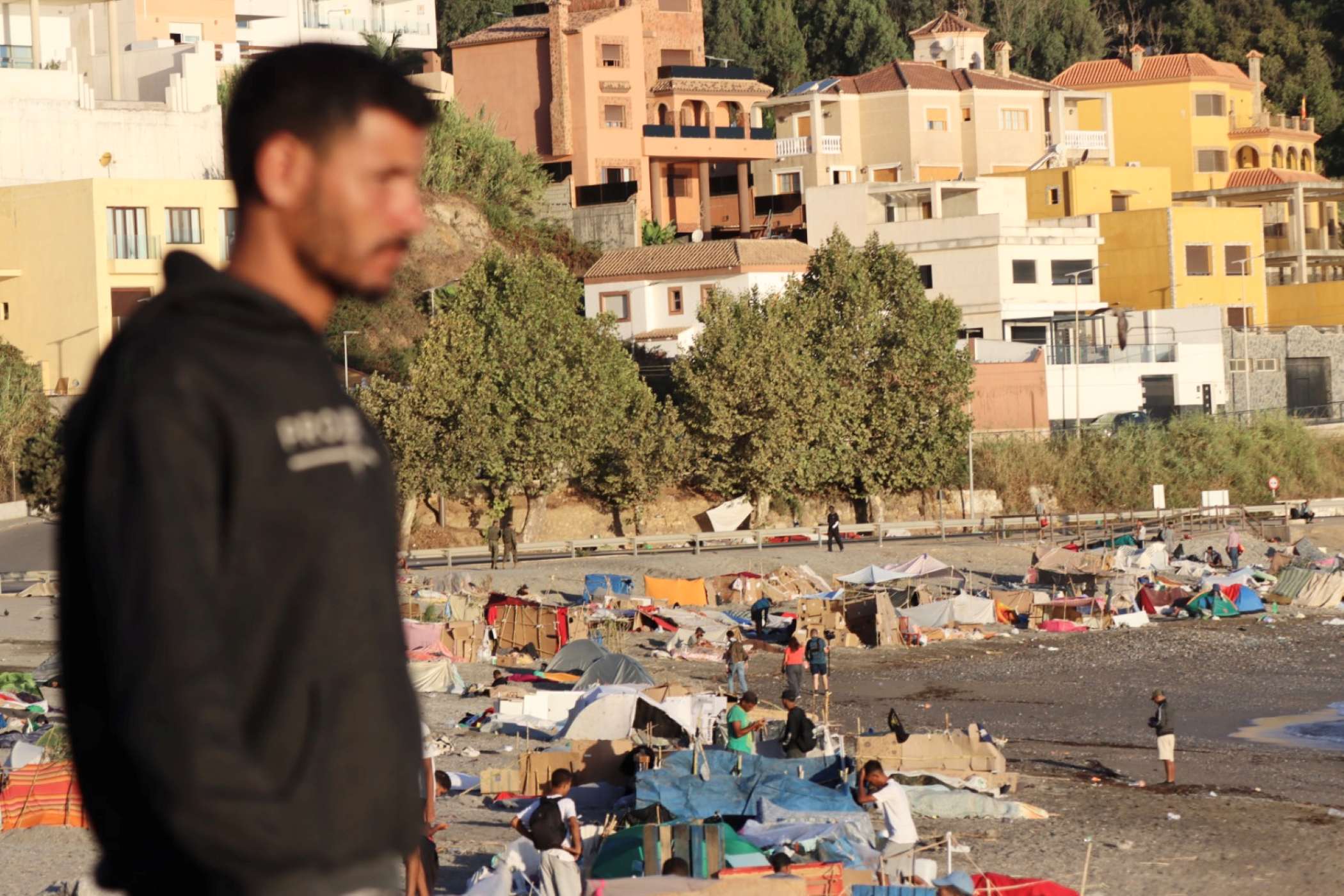
At the end of July, there was a mass influx of migrants into Ceuta, estimated at tens of thousands of people. Although most of them returned in the days that followed, several thousand migrants remain crammed into the streets, on beaches or in makeshift settlements, without reliable access to drinking water, sanitation or safe food. The health authorities have confirmed isolated cases of tuberculosis, scabies, gastroenteritis and impetigo amongst this population, and there have even been calls for them to be quarantined.
However, the scientific evidence paints a different picture: the problem is not that migrants bring diseases with them, but that the conditions in which they are forced to eke out a meagre existence here expose them to these diseases. This takes the form of a double stigma: on the one hand, that associated with being a migrant – which is often linked to crime, insecurity or fear; on the other, being singled out as a source of infection for the resident population, whilst it is they who suffer the main health consequences of the crisis. Thus, the most vulnerable people – those forced to migrate, leaving their places of origin behind – end up being blamed.
The link between migration and disease is not new, but it is not supported by the available data. The people arriving in Ceuta are, for the most part, young and healthy; they are in better health than the local population and, consequently, make less use of health services. It is true that migrants may present health problems on arrival, mainly dehydration, malnutrition, injuries or, frequently, mental health issues such as post-traumatic stress, but none of these problems are communicable.
These diseases primarily affect those who suffer from them, followed, to a much lesser extent, by healthcare and humanitarian staff in close and prolonged contact with these people
The real risk lies in the physical conditions they subsequently face: prolonged overcrowding, a lack of sanitation and drinking water, or the absence of a decent place to sleep, are the main factors that facilitate the onset of skin, gastrointestinal and respiratory infections. These diseases primarily affect those who suffer from them, followed, to a much lesser extent, by healthcare and humanitarian staff in close and prolonged contact with these people. As for certain communicable diseases that have dominated the headlines in recent days (the emergence of cases of scabies and tuberculosis), these are diseases that require close and prolonged contact, and for which effective treatments exist; these reasons do not justify the lockdown of the population. Furthermore, they are diseases of a universal nature, the prevalence of which is on the rise, and this is not due to migration.
The stigma suffered also has consequences. It has been reported that the stigmatisation of the migrant population discourages them from seeking healthcare, delays diagnosis and hinders prevention. This is particularly serious in a population that already faces barriers to access to the healthcare system due to their administrative status and lack of knowledge of the language. The consequences are even more severe for those in particularly vulnerable situations, such as children (especially girls, who face sexual violence and trafficking both during their migration journey and once they have settled) and pregnant women, whose vaccination schedules and antenatal check-ups are often disrupted. Therefore, associating migration with disease is not only incorrect but also counterproductive to the health of the entire population.
The scientific method, critical thinking and transparency
In the face of fear, public health offers three key elements: the scientific method, critical thinking and transparency. The scientific method takes the form of epidemiological surveillance, which enables the confirmation of cases and contact tracing, alongside the recording of accurate data (how many cases, of which disease, in what context), in line with European surveillance systems.
Critical thinking contextualises the data within existing evidence, enabling the assessment of actual risk rather than reacting to unfounded perceptions
Critical thinking contextualises the data within existing evidence, enabling the assessment of actual risk rather than reacting to unfounded perceptions. This ability is particularly important in a context characterised by disinformation, as hoaxes are designed to maximise their credibility and reach. Evidence shows that hoaxes not only spread faster than accurate information, but also exploit psychological mechanisms that are particularly effective at capturing attention and encouraging their dissemination, such as novelty, surprise or emotional arousal.
Finally, transparency involves the clear and truthful communication of this information as a means of countering hoaxes. It is essential to turn to reliable sources, healthcare professionals with expertise in the field, and journalists specialising in these areas.
In the current situation, the best course of action is to ensure, as soon as possible, access to safe drinking water, sanitation, safe food and a decent place to sleep, as well as access to healthcare and an up-to-date vaccination schedule for the migrant population still in Ceuta. It is not the status of being a migrant that causes illness, but the lack of decent living conditions. Clarifying this reality with data, addressing it with the appropriate resources, and communicating without fuelling stigma is the best course of action we can take for both the health of the migrant population and that of the general public.