astrophysics

astrophysics

astrophysics

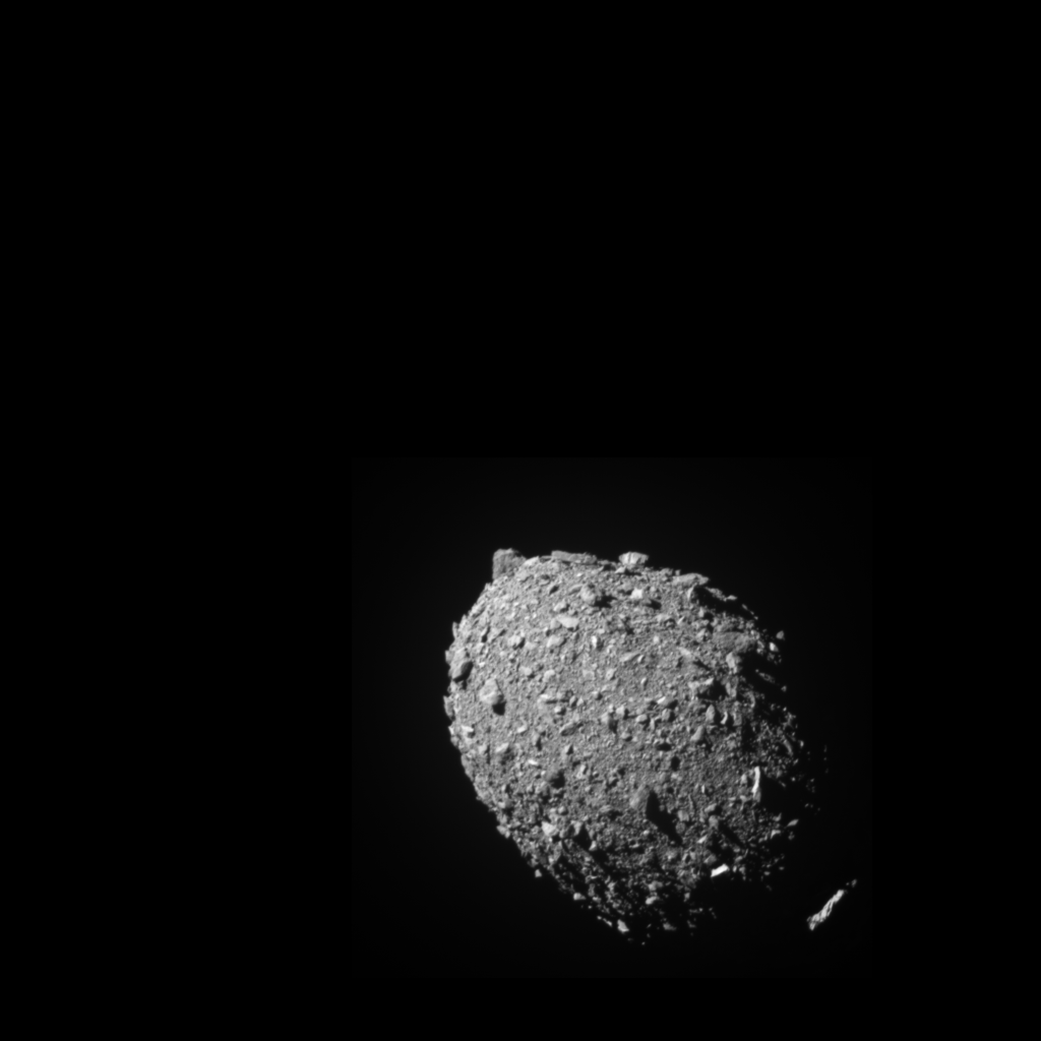
Reactions to the first controlled asteroid impact

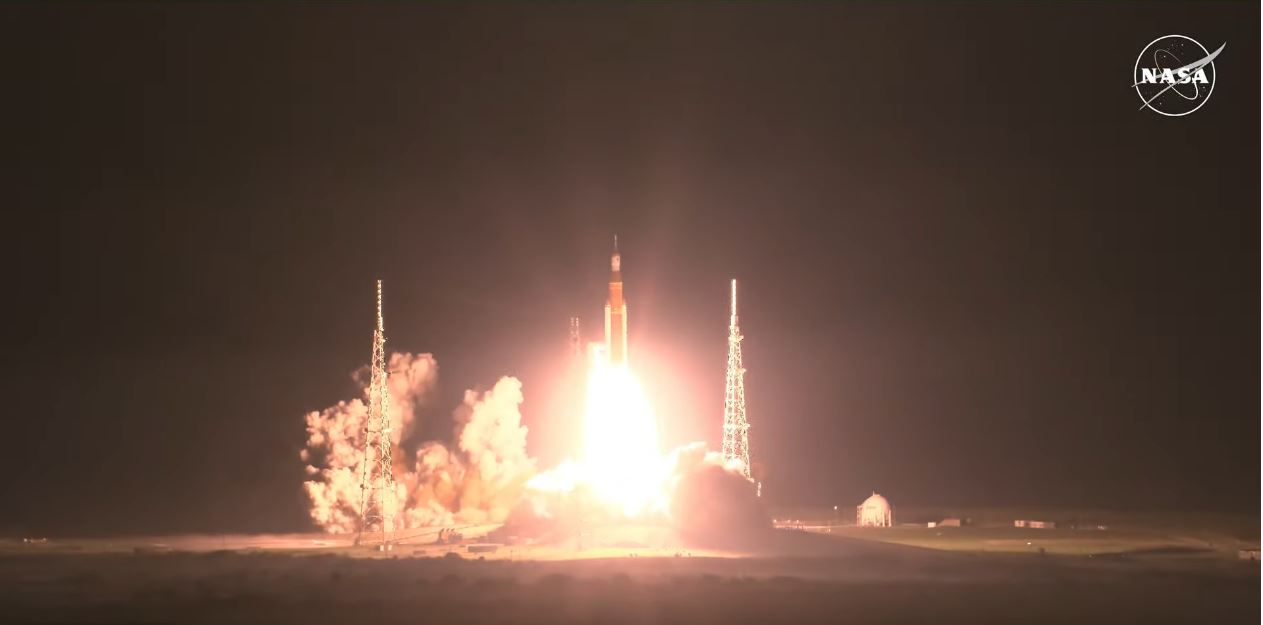
As planned, the DART (Double Asteroid Redirect Test) mission has hit the asteroid Dimorphos, which orbits a larger asteroid, Didymos. Neither is a threat to Earth. This is the first planetary defence test mission designed to change the orbit of an asteroid, launched by NASA and the Johns Hopkins APL laboratory, with Spanish participation. Scientific teams will study with ground-based telescopes how much the orbit of Dimorphos will change around Didymos after the collision.

0

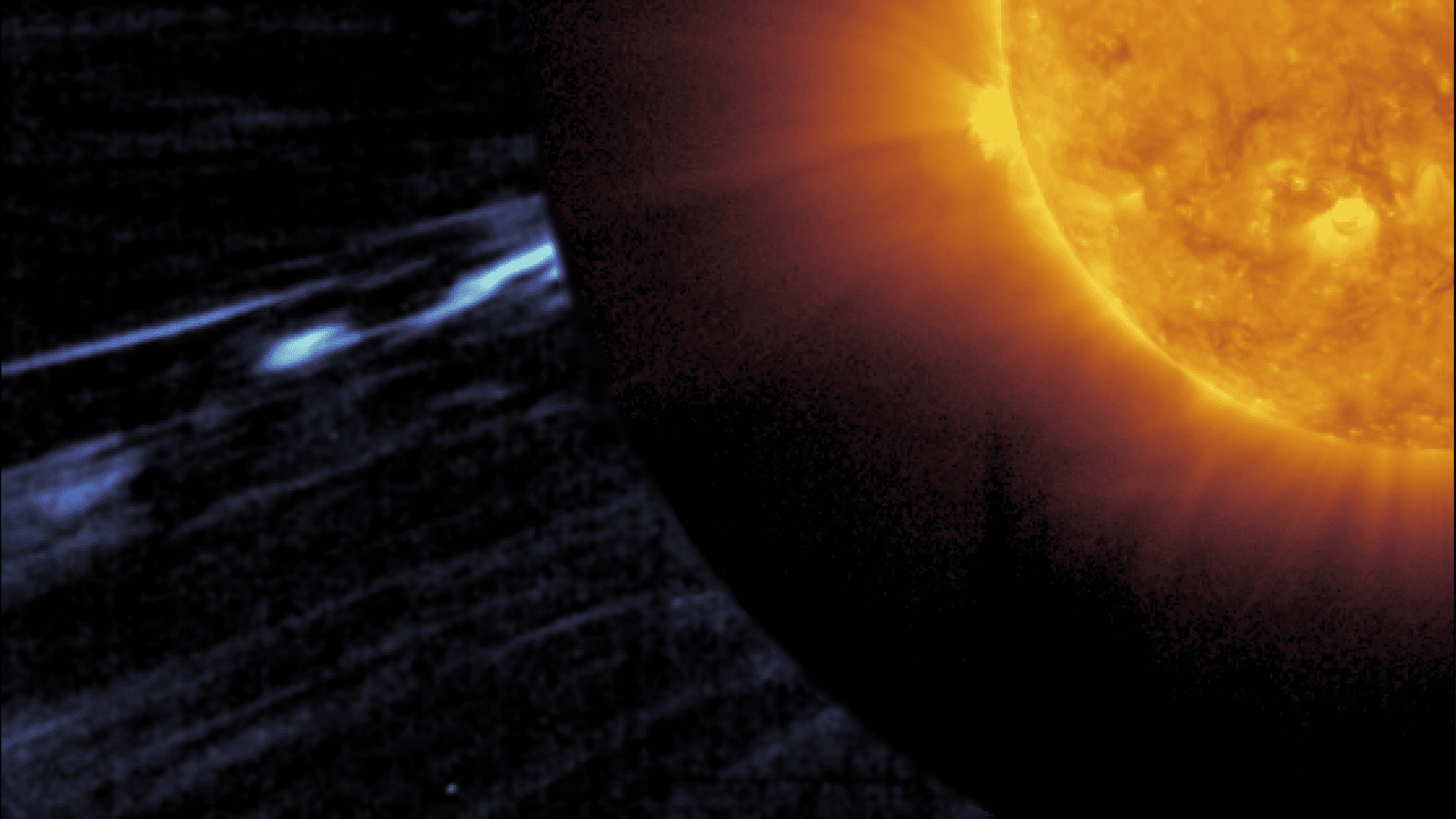
Reaction to possible first direct observation of a magnetic switchback from the Sun

The ESA/NASA Solar Orbiter mission may have made the first direct observation of what are known as magnetic switchbacks on the Sun. The phenomenon, which consists of S-shaped disturbances that cause sudden reversals of its magnetic field, had been identified by different space probes since the 1970s, but its explanation had only been described theoretically. The finding is published in The Astrophysical Journal Letters.

0

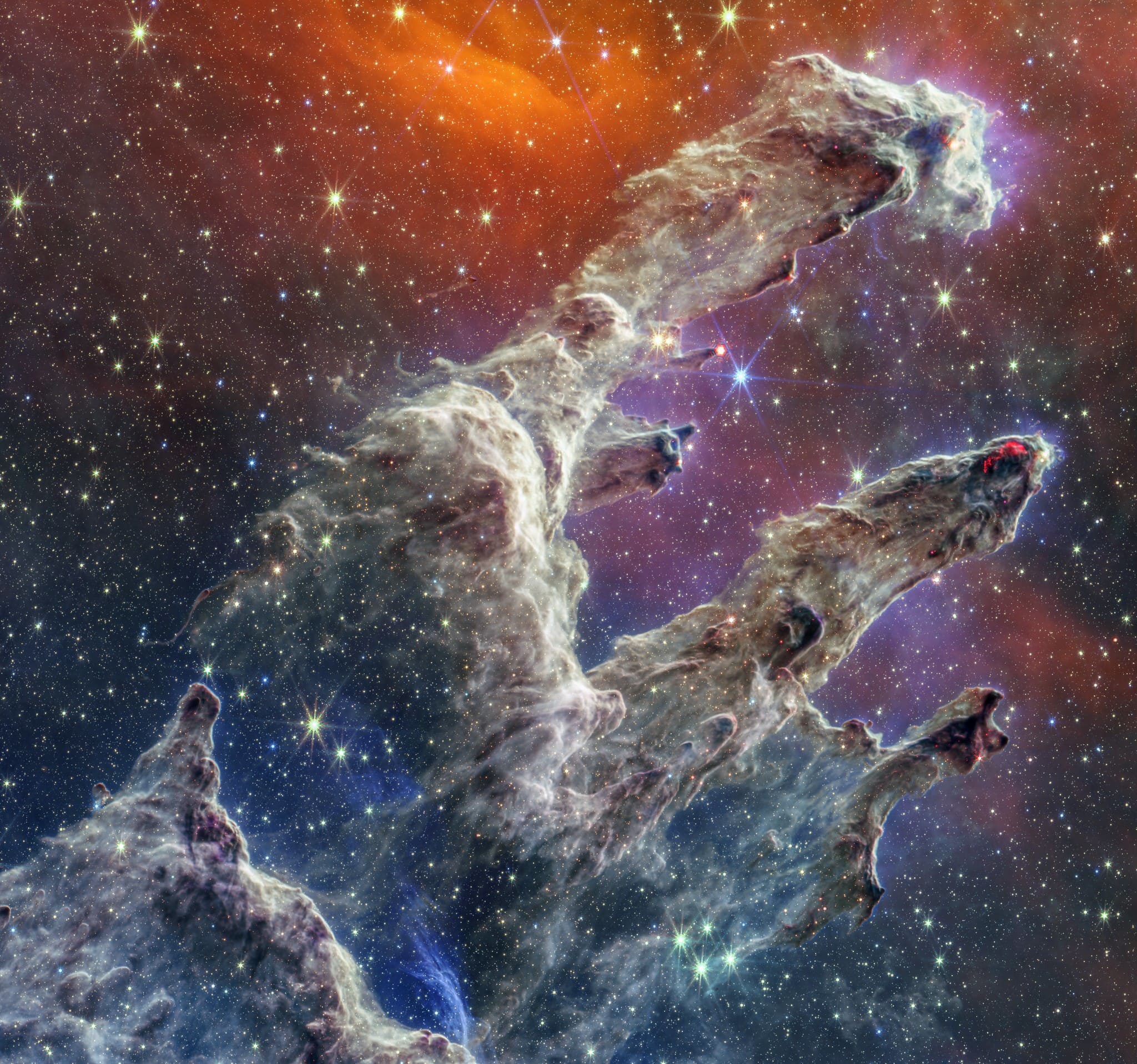
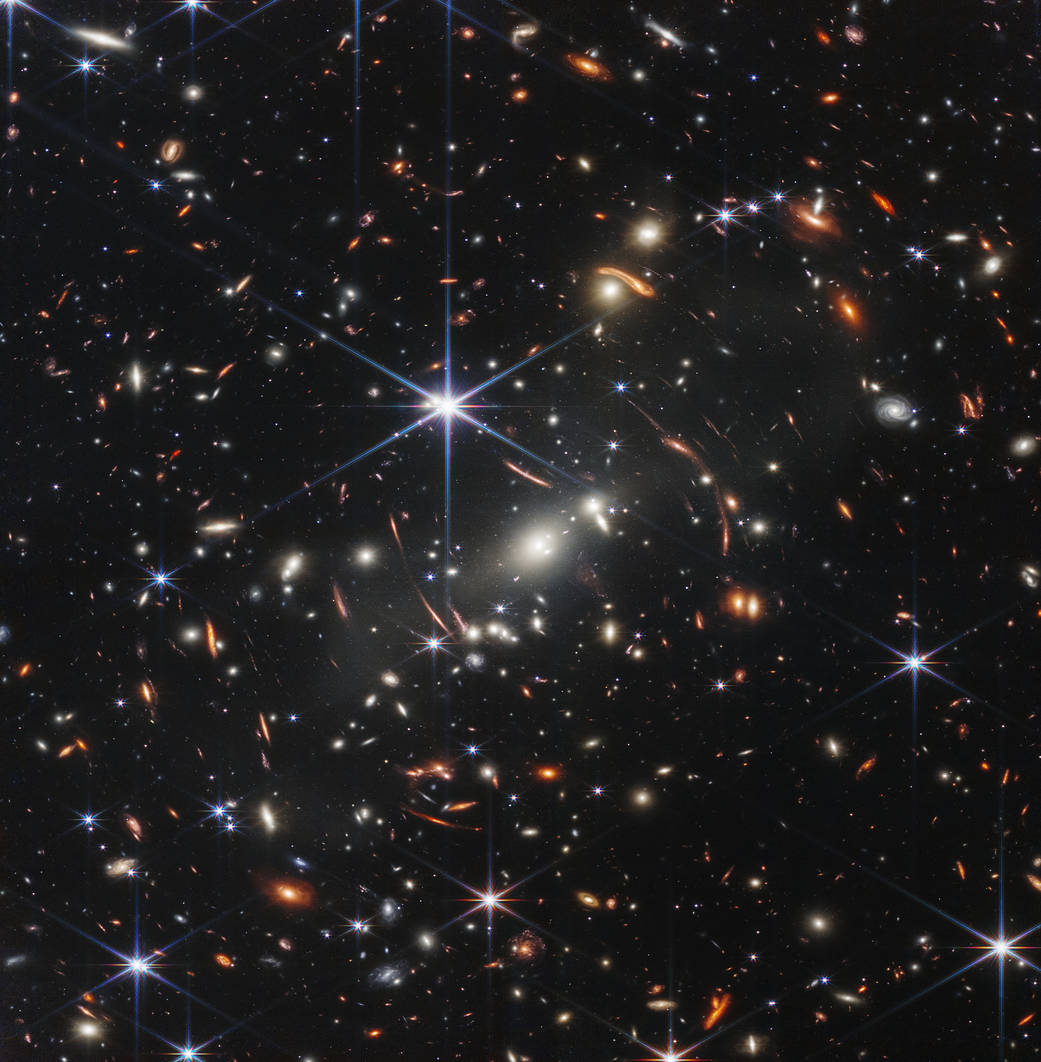
The deepest image of the distant universe, proof that James Webb will entertain for years to come

Romano Corradi, director of the Gran Telescopio de Canarias, assesses the deepest and sharpest infrared image of the distant universe taken by the James Webb Space Telescope, an international collaboration of the space agencies of the United States (NASA), Europe (ESA) and Canada (CSA).

1

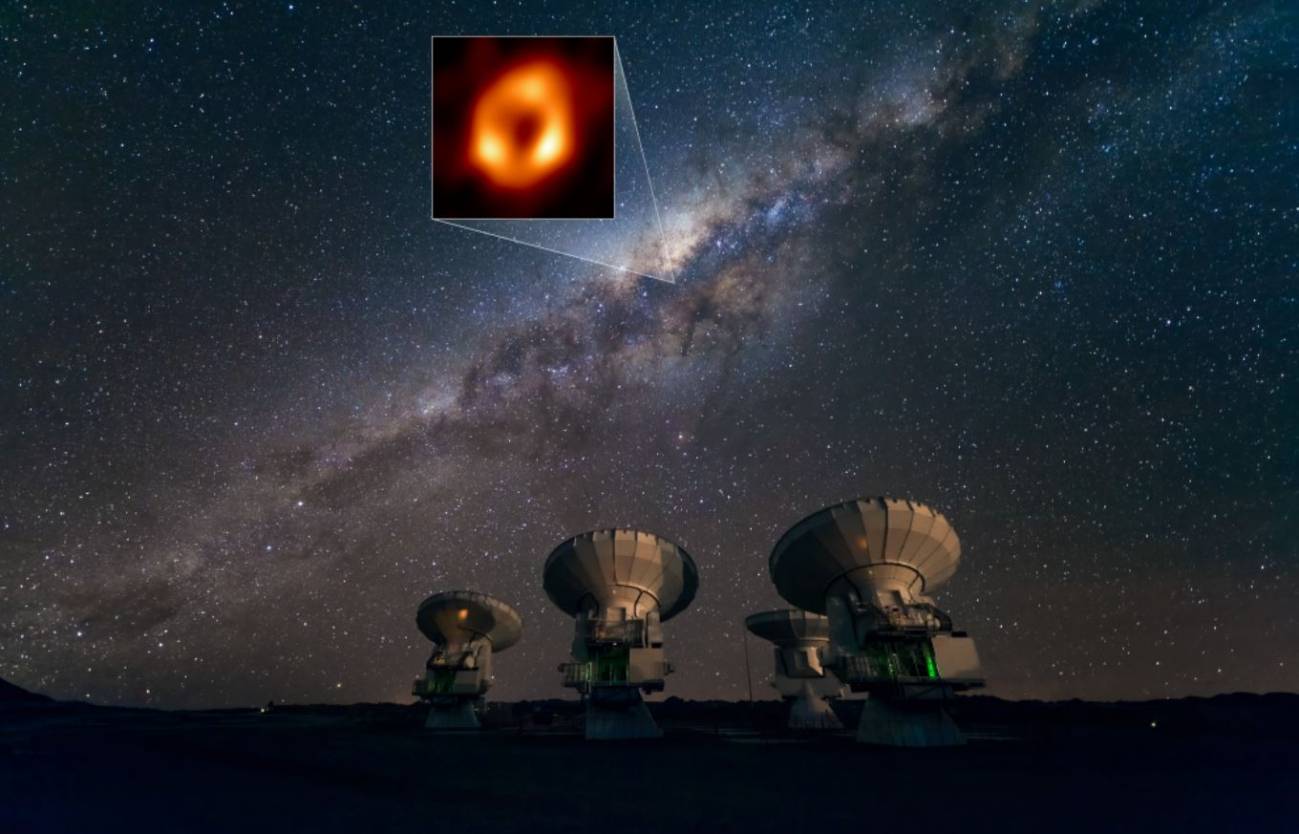
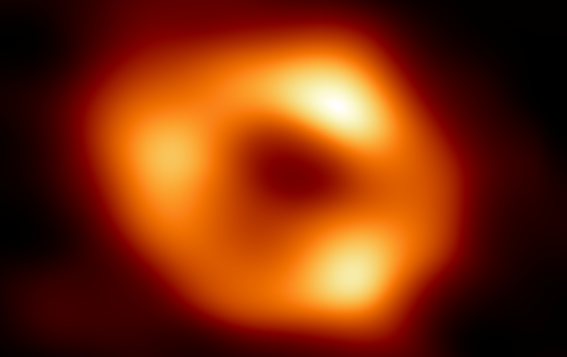
What we have learned from the first image of Sagittarius A*

The first direct image of the black hole at the centre of our galaxy shows a 'monster' devouring matter at a slow pace. The black hole itself is spinning, and its spin axis is pointing just 30 degrees away from us. The result shows that the size of the black hole is proportional to the mass it contains, confirming the theory of general relativity. Xavier Barcons, ESO's Director General, assesses the new finding.

1