What may be the oldest evidence of drug use by pre-agricultural hunter-gatherers has been discovered
What may be the oldest evidence of drug use by pre-agricultural hunter-gatherers has been discovered
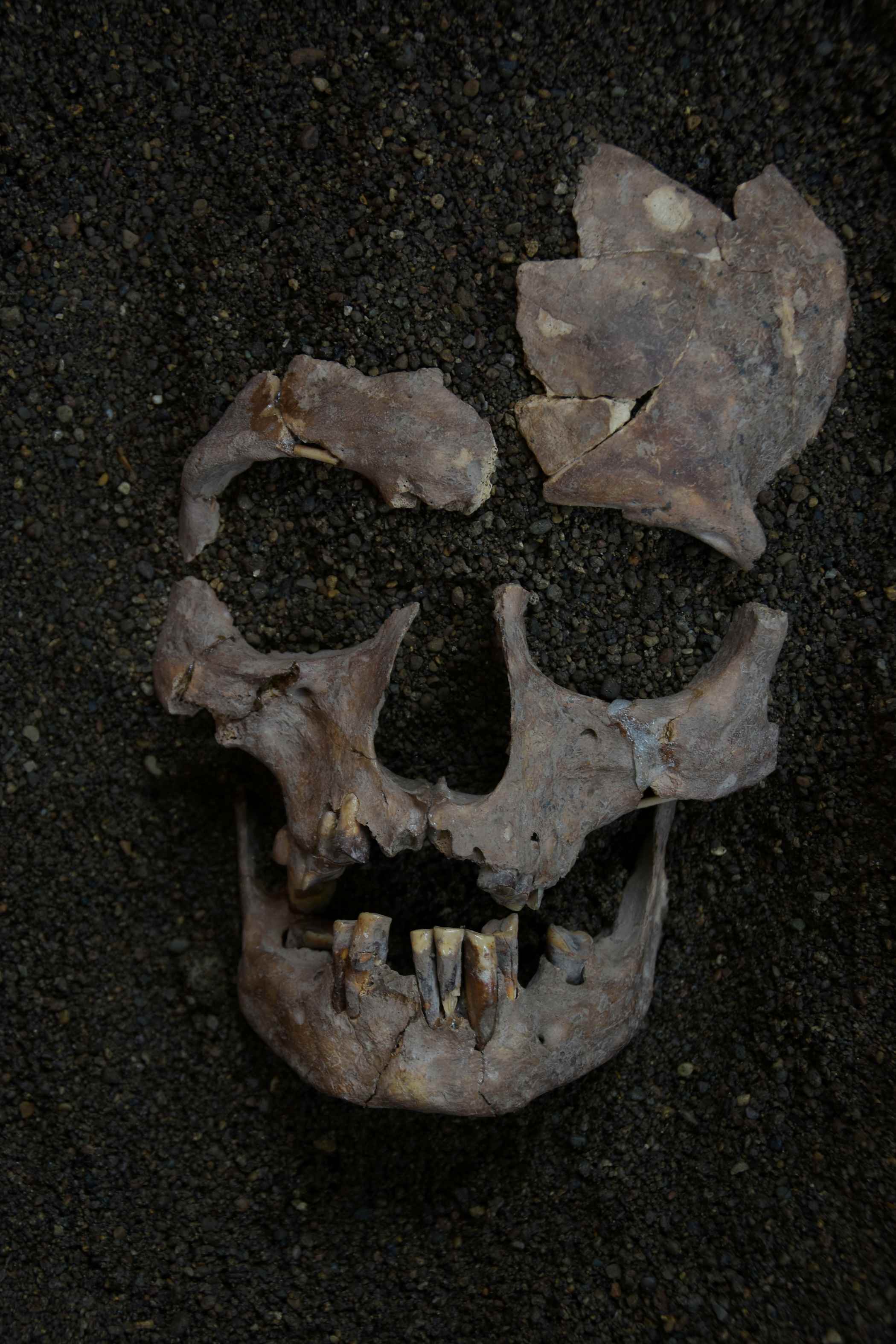
A study published in Science Advances suggests that the use of betel nut as a drug has older origins than previously thought. Bone remains from two pre-agricultural hunter-gatherers — dated between 25,000 and 16,000 years ago — from Sulawesi (Indonesia) show dental pathology associated with the consumption of these whole nuts. Considered one of the world’s oldest known drugs, when consumed, this nut releases arecoline, the plant’s main neuroactive alkaloid. According to the research, it is possible that the hunters-gatherers’ sole motivation for using it was not merely as a drug, but also for its analgesic and digestive properties.
0