sexuality

sexuality

sexuality

Gonorrhoea and syphilis infections reach their highest levels in Europe in more than a decade
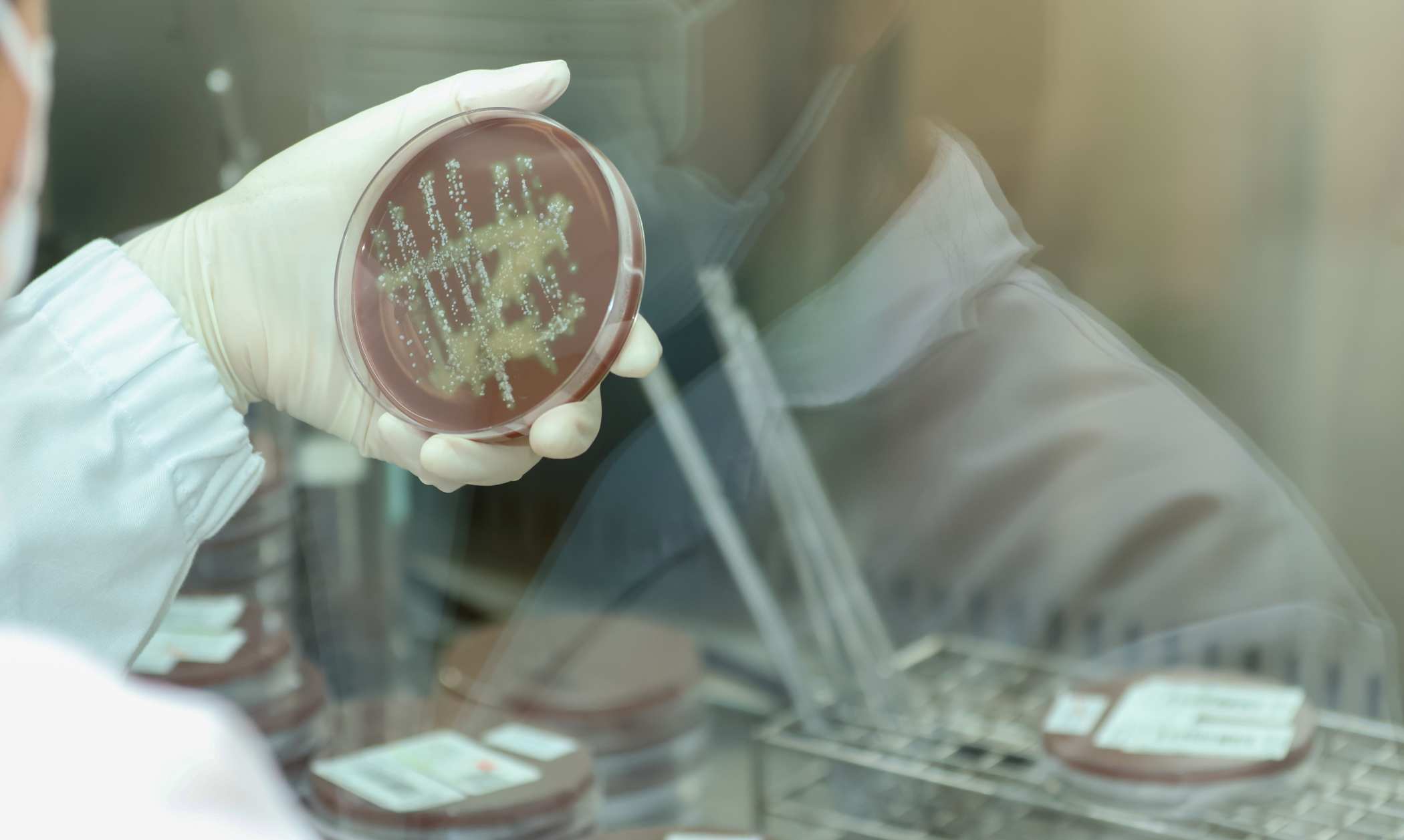
The latest reports from the European Centre for Disease Prevention and Control (ECDC) indicate a rise in bacterial sexually transmitted infections (STIs) across Europe. In 2024, notifications of gonorrhoea and syphilis, along with congenital syphilis, reached their highest levels in more than a decade, reflecting sustained transmission across multiple countries. Gonorrhoea has increased by more than 300 % over the past 10 years, with Spain among the countries with the highest rates, while syphilis has risen by around 100 %, with Spain also ranking second highest. Men who have sex with men are the most affected population group for both infections. Congenital syphilis increased by almost 250 %, described as “one of the most concerning findings” by two ECDC experts during the briefing presenting the results. Possible contributing factors include reduced condom use, an increase in sexual partners, as well as higher levels of testing.

0

Phase 3 trial shows efficacy of new antibiotic against gonorrhoea

One oral dose of zoliflodacin—a new antibiotic—is as effective as the current treatment for uncomplicated urogenital gonorrhoea, according to the results of a phase 3 clinical trial published in The Lancet. In some parts of the world, the bacteria that cause gonorrhoea have developed resistance to the current treatment, which combines an injection of ceftriaxone and an oral dose of azithromycin. Zoliflodacin could be an alternative to this treatment, concludes the study, which included 900 people from five countries.

0

Genital microbiome could help identify sexual offenders

‘Bacterial signatures’ from genital areas could serve as a forensic tool to identify perpetrators of sexual assault, even if there is no trace of sperm, according to a study published in the journal iScience, by the Cell group. After sequencing the DNA of bacteria from genital samples from 12 stable couples, the authors show that a transfer of bacterial species occurs during intercourse, allowing the identification of each person’s own genital microbiome or ‘sexome’.

0