vulcanology

vulcanology

vulcanology

Large wildfires and major volcanic eruptions had an impact on global atmospheric temperatures
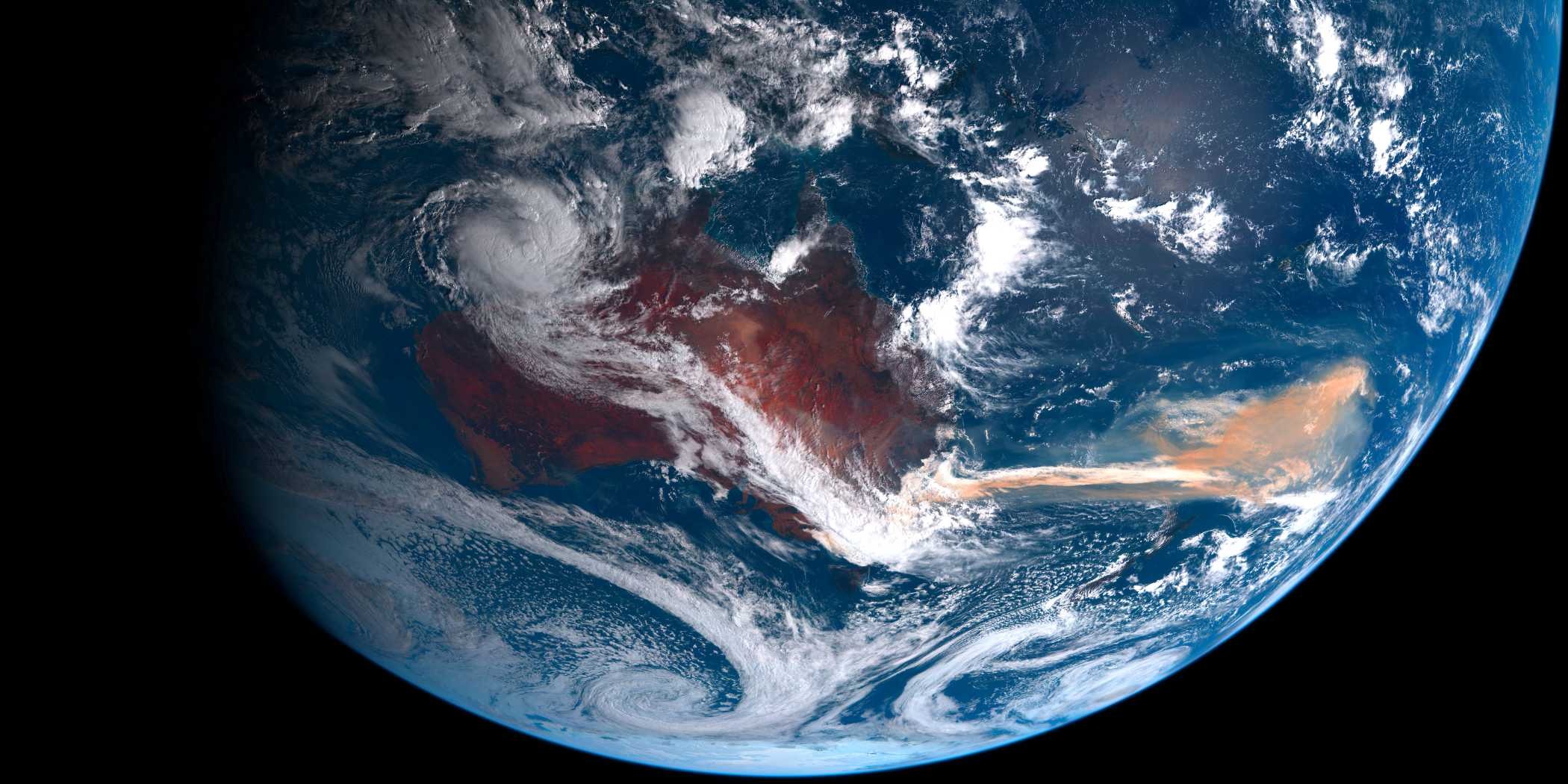
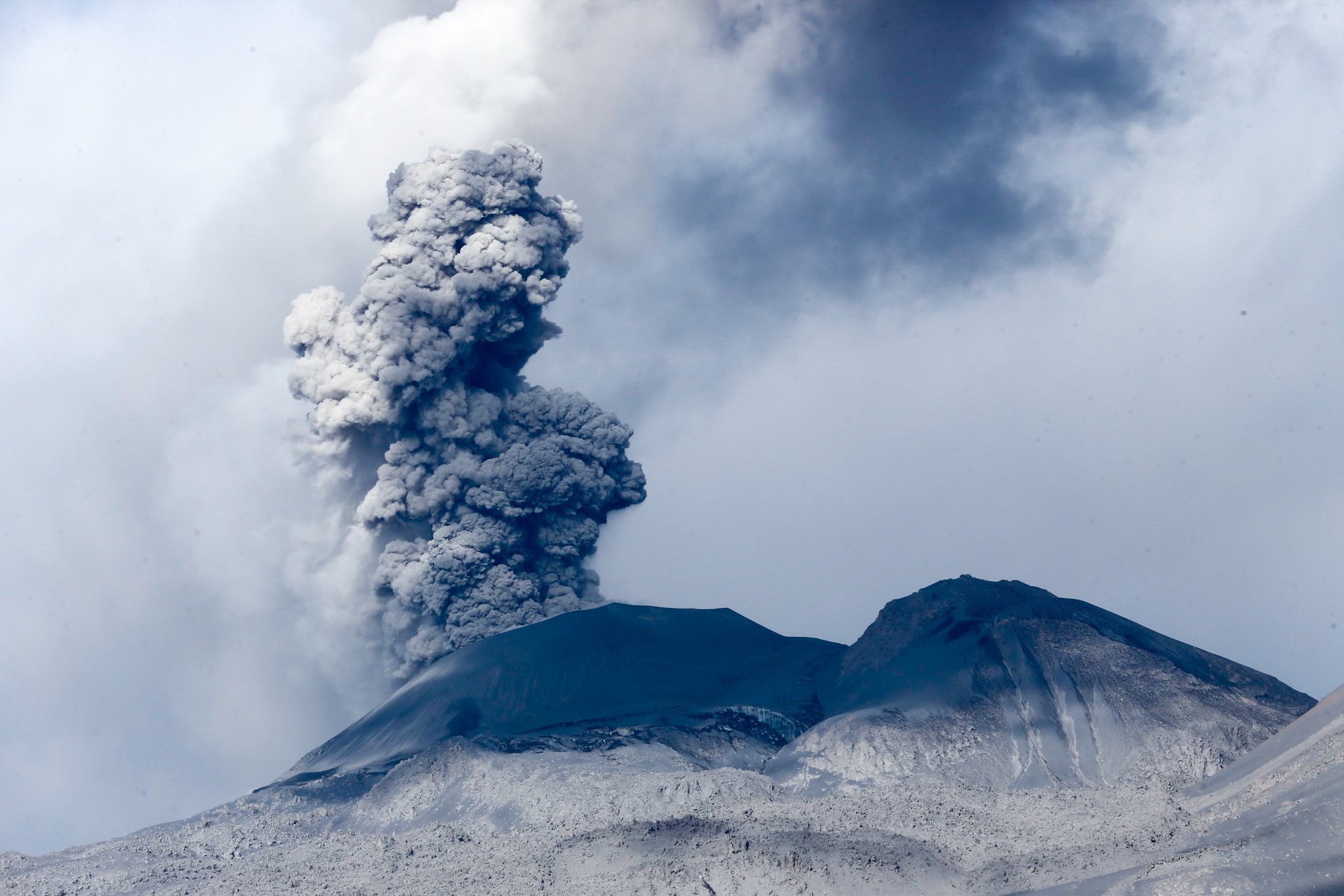
A study published in PNAS reveals the effects of large-scale wildfire smoke and aerosols from major volcanic eruptions on global atmospheric temperatures. Using satellite observations, the team estimated the temperature disturbances associated with the 1991 eruption of Mount Pinatubo in the Philippines, the 2019–2020 Australian wildfires, and the 2022 eruption of the submarine Hunga Tonga volcano in Tonga. All three events had measurable impacts on global atmospheric temperatures. Sulfate particles from Pinatubo caused cooling in the troposphere and warming in the stratosphere, confirming previous measurements. Aerosols from the Australian wildfires —though only about 5 % of the aerosol mass emitted by Pinatubo— also produced both effects, while water vapor from Hunga Tonga led to tropospheric cooling.
0

Bananas from the area around the eruption on La Palma are safe and nutritious

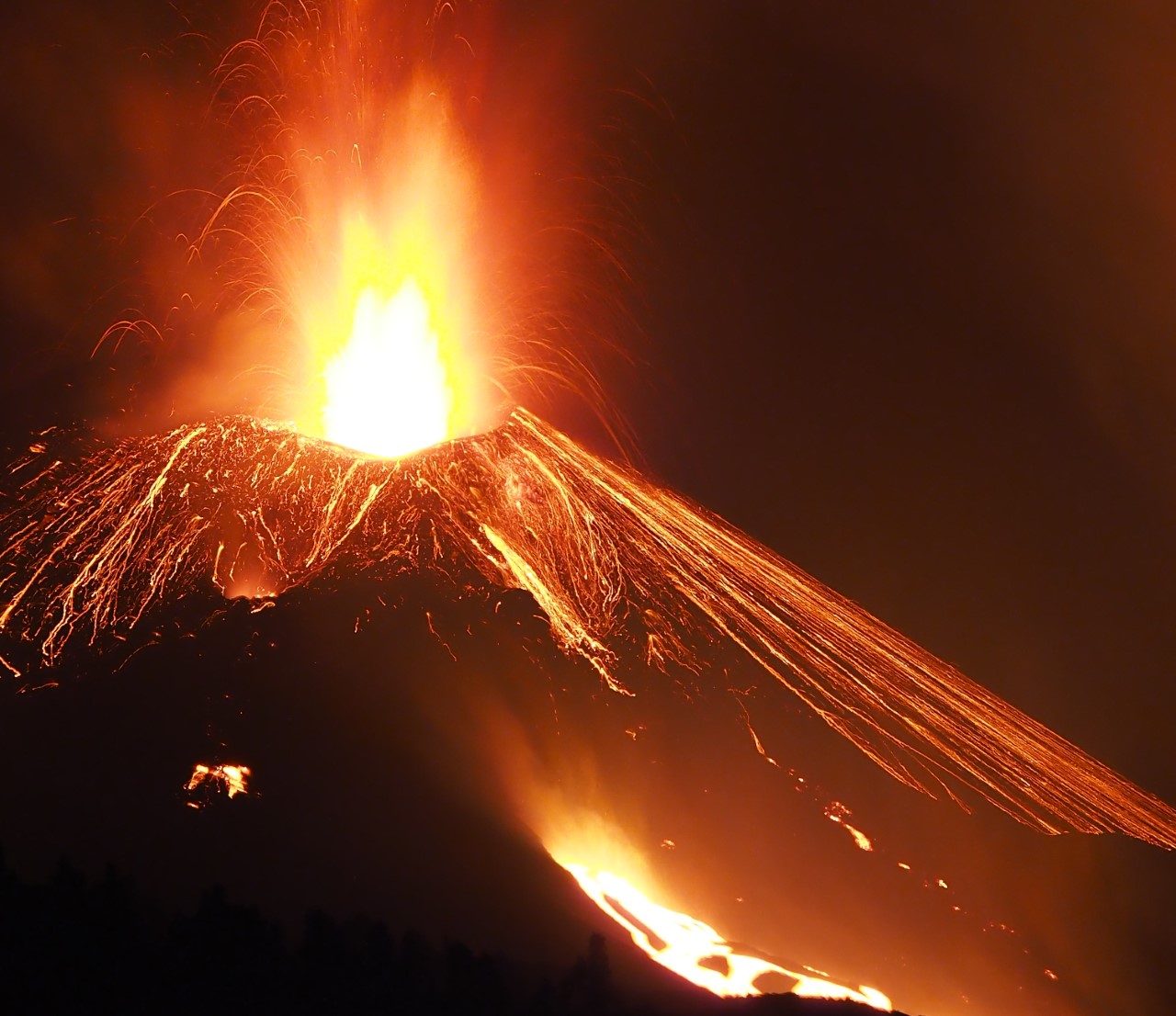
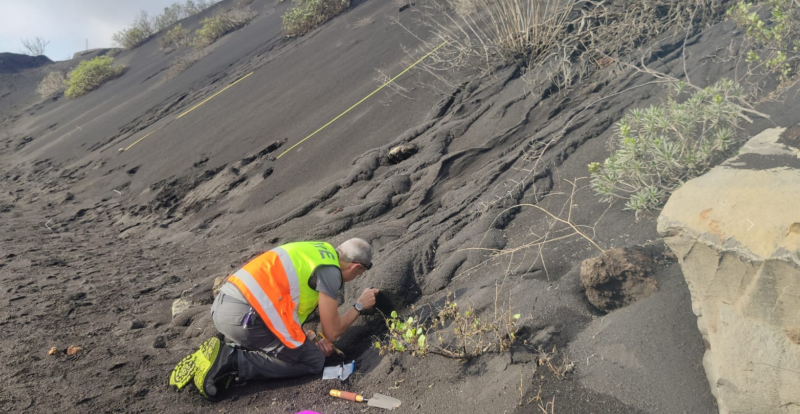
In 2021, the eruption of the Tajogaite volcano on the Canary Island of La Palma caused the loss of 53,000 tonnes of bananas, equivalent to 50% of its production, which is essential to the local economy. Given the potential risk of contamination from ash and magma, a team of researchers from Spanish centres analysed the composition of bananas in the area of the eruption. The study, conducted using mass spectrometry and published in PLOS One, confirms that they are safe and healthy to eat. For most potentially toxic elements, the estimated maximum intake remained below 1% of the tolerable daily intake (TDI) and in no case exceeded 3% of the TDI.

0

What the La Palma eruption has taught us one year later

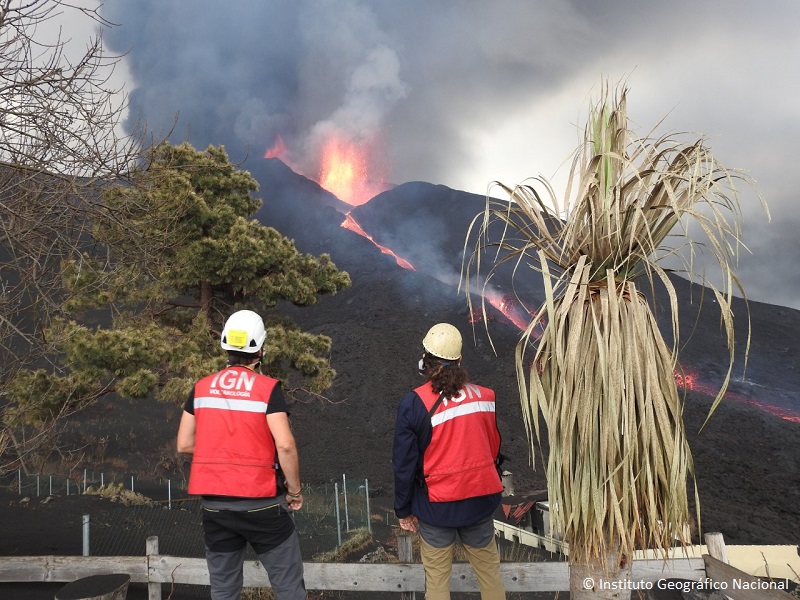
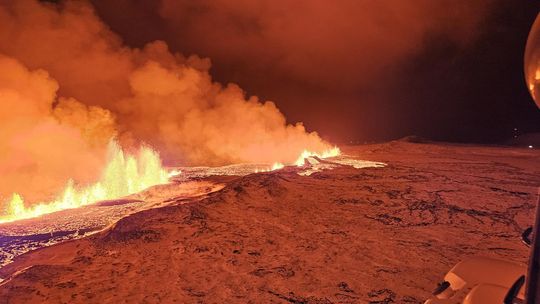
This week marks one year since the start of the last volcanic eruption in Spain, a phenomenon that made national and international headlines from 19 September 2021, when the volcano began to spew lava outwards, until several months later. The eruption posed a forecasting and management challenge for scientists and authorities. The balance of what we have learned is positive at the scientific level, but the reality is that much remains to be done. 

1

Vulcanism in the Canary Islands

Volcanic monitoring in the Canary Islands must be constant. Not only because the archipelago is "one of the most interesting active volcanic regions on the planet", according to the IGN, but above all because "volcanism in the Canary Islands poses a potential risk to some two million people" who live on the islands or visit them as tourists.