Carlos Guijarro Herráiz

Carlos Guijarro Herráiz

Carlos Guijarro Herráiz
Position

Former president of the Spanish Society of Arteriosclerosis and physician in the Internal Medicine Unit of the Hospital Universitario Fundación Alcorcón

A study suggests that stopping statin treatment in people aged 75 and over with no history of heart disease or stroke does not increase the risk of death

Statins are used to prevent atherosclerotic cardiovascular disease (ACD), a specific type of cardiovascular disease caused by the build-up of fatty plaque inside the arteries, which can lead to heart disease or stroke. A study published in The Lancet Healthy Longevity analysed the effect of stopping statins in adults aged 75 and over who were taking them preventatively, that is, without a history of atherosclerotic cardiovascular disease. The results showed that discontinuing treatment was no worse than continuing it in terms of all-cause mortality over a three-year period. According to the authors, these results support individualised decision-making regarding the discontinuation of statin treatment in older people, rather than a blanket recommendation to stop taking them.

0

Statins cause almost none of the side effects listed in their package inserts, according to a meta-analysis

Statins are a group of drugs widely used to lower cholesterol levels and reduce cardiovascular risk. Although they have been associated with various adverse effects, a meta-analysis of 19 clinical trials with more than 120,000 participants in total concludes that only four of the 66 side effects listed in the package inserts are caused by statins themselves and the risks are very low. The authors, who published their findings in The Lancet, recommend revising the current list of side effects on statin labels to better reflect the evidence so that patients and doctors can make clearer and more informed decisions about treatment.

0

CNIC team proposes a new cardiovascular risk factor and a drug to reduce its effects

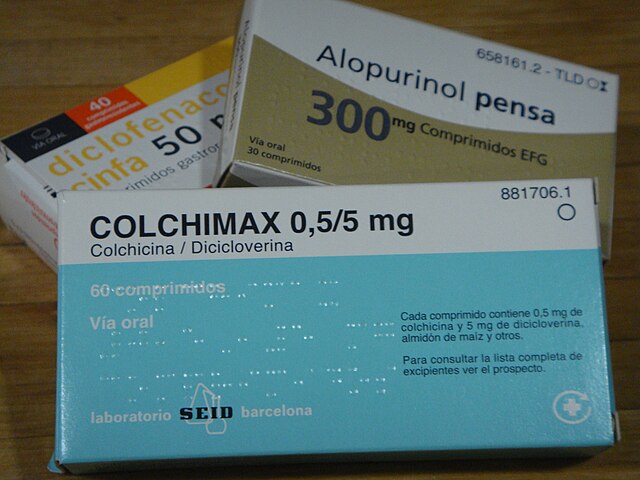
In a study published in the journal Nature Medicine, a team of researchers from the National Center for Cardiovascular Research (CNIC) proposes a new cardiovascular risk factor to add to those already known. It is clonal hematopoiesis, a phenomenon caused by acquired mutations in blood stem cells. Furthermore, in a separate study published in the European Heart Journal, they suggest that the drug colchicine could serve to reduce its effects.

0