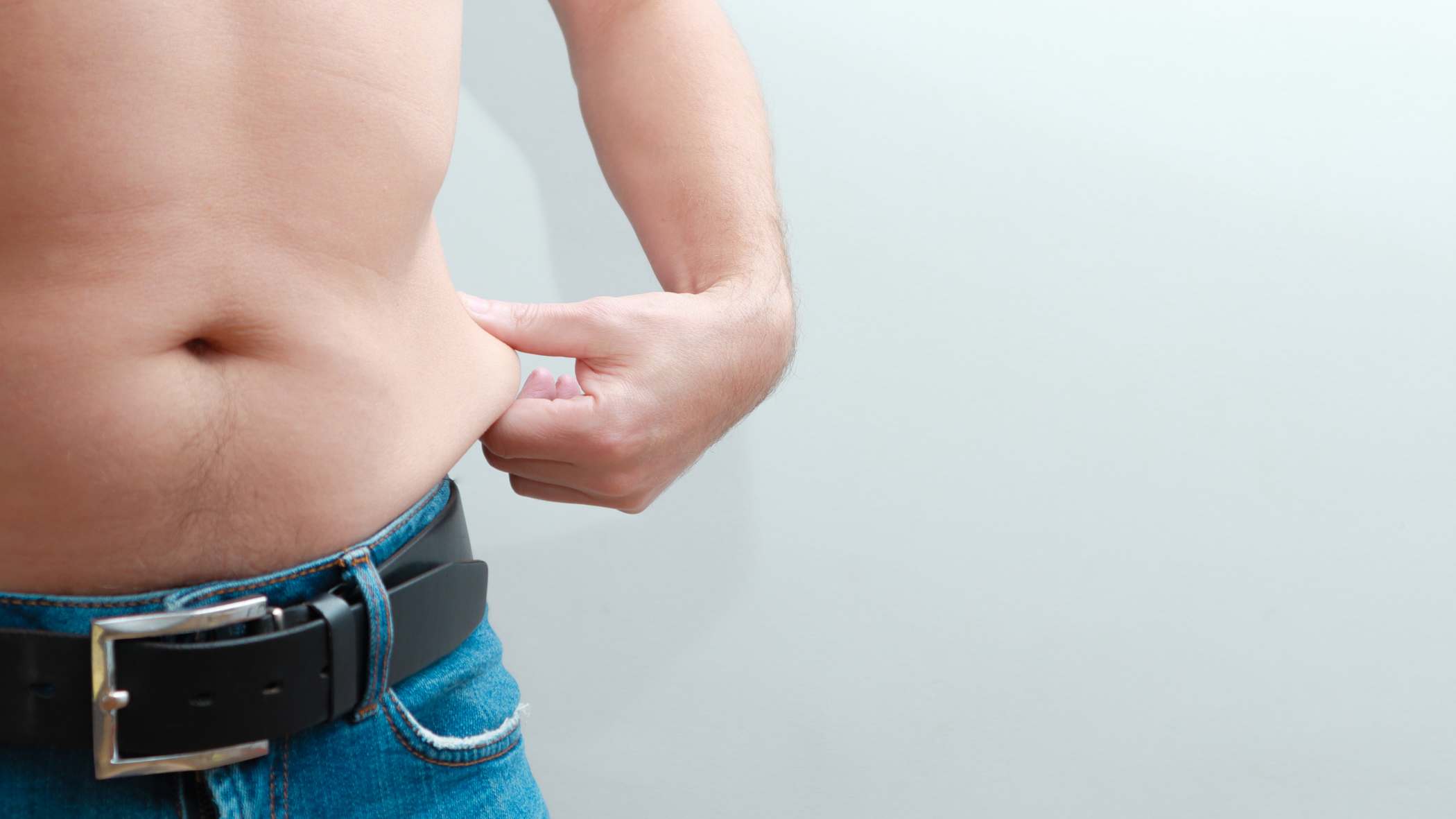
A research shows that taking other measures into account alongside BMI helps to identify more cases of obesity
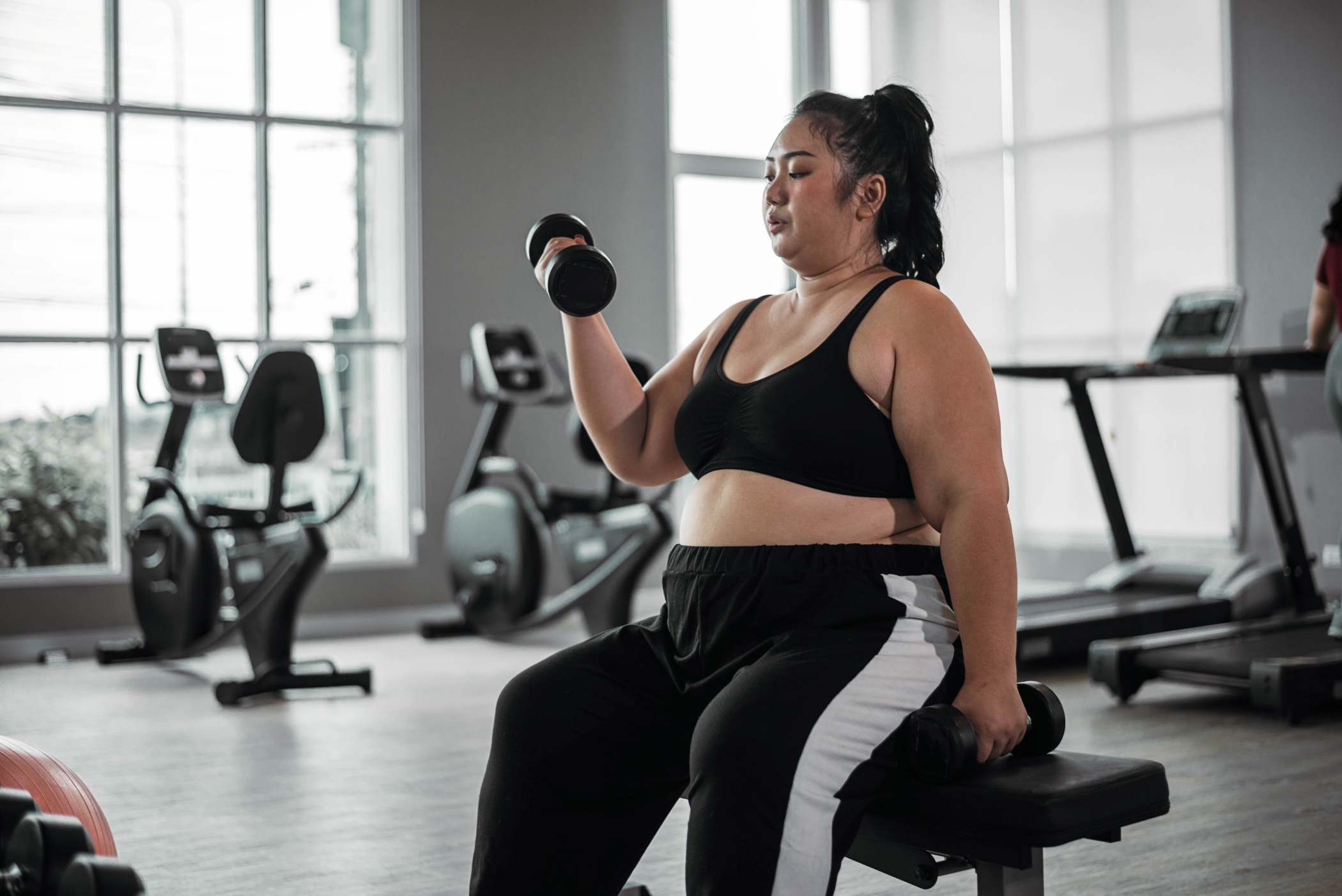
Body mass index (BMI), commonly used to diagnose obesity, does not take into account differences in body composition or the distribution of body fat, which can affect health risks. A study published in Nature, using data from more than 844,000 adults in China, the United Kingdom, the United States and Spain, finds that incorporating other measures such as waist circumference and the waist-to-height ratio allows for the identification of between 3.3 per cent and 7.4 per cent more cases of obesity. The research also assesses the distinction proposed in 2025 between clinical obesity – when it is already affecting the body’s functioning – and preclinical obesity – when it is not yet doing so – as the former is associated with a higher risk of death.