Jaime Jesús Pérez Martín

Jaime Jesús Pérez Martín

Jaime Jesús Pérez Martín
Position

Specialist in Preventive Medicine and Public Health, Deputy Director General of Public Health of the Region of Murcia and President of the Spanish Association of Vaccinology 

Childhood vaccination rates have plateaued or fallen in most EU countries since the start of the COVID-19 pandemic
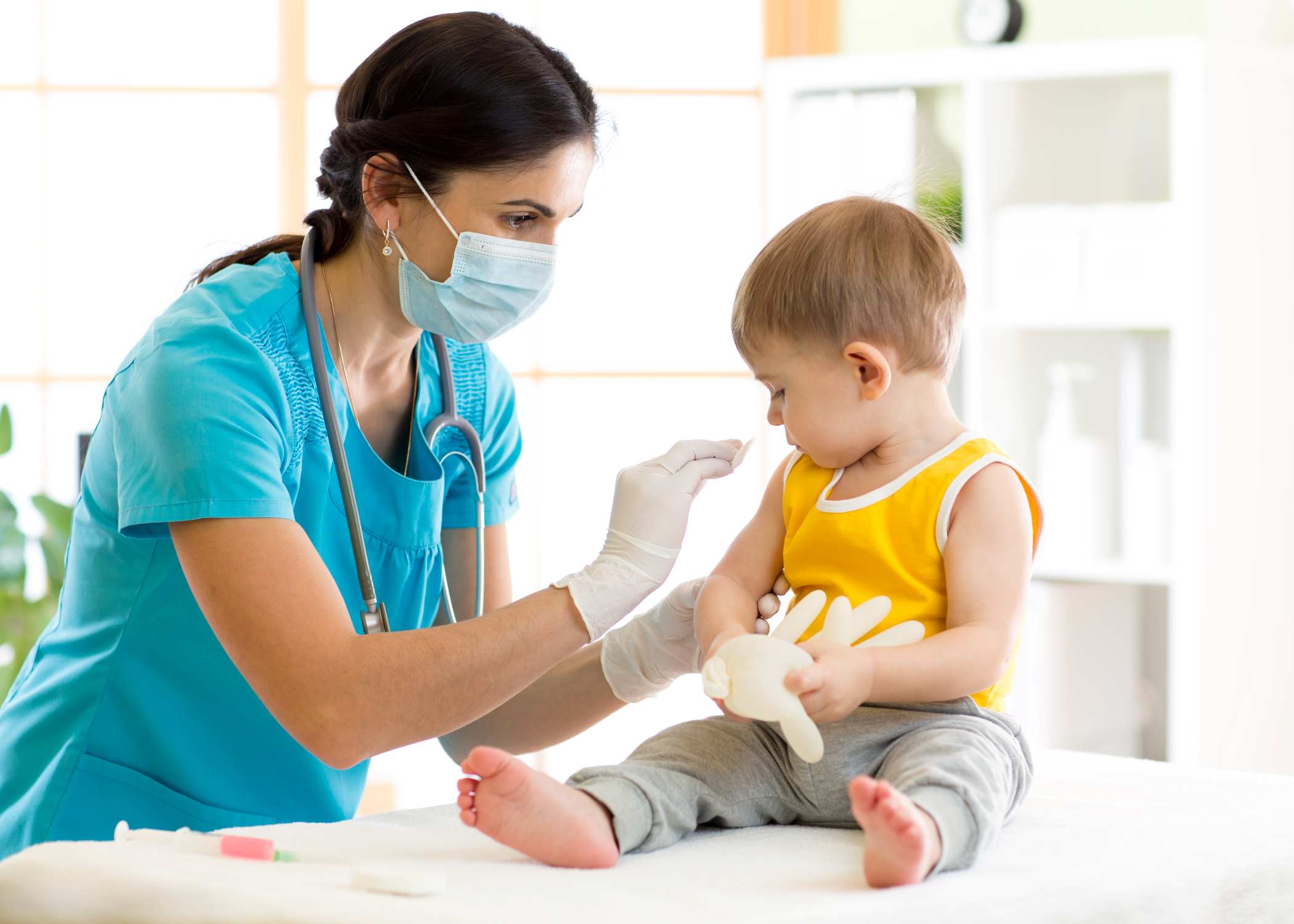
Childhood vaccination coverage has declined in most European Union (EU) countries in recent years, reversing some of the significant progress made since 1980, according to a study published in The Lancet Regional Health – Europe. The researchers analysed data from the World Health Organisation and UNICEF on coverage rates for seven childhood vaccines – diphtheria, tetanus and pertussis; hepatitis B; Haemophilus influenzae type b; measles; pneumococcal; poliomyelitis and rubella – across the 27 EU countries between 1980 and 2024. Most of the recent declines began between 2019 and 2022, coinciding with the COVID-19 pandemic. In Spain, the data point to a decline in vaccination rates for five of the seven childhood vaccines – whilst rates for rubella and measles increased.
0

The vaccine booster may be more effective if administered in the same arm

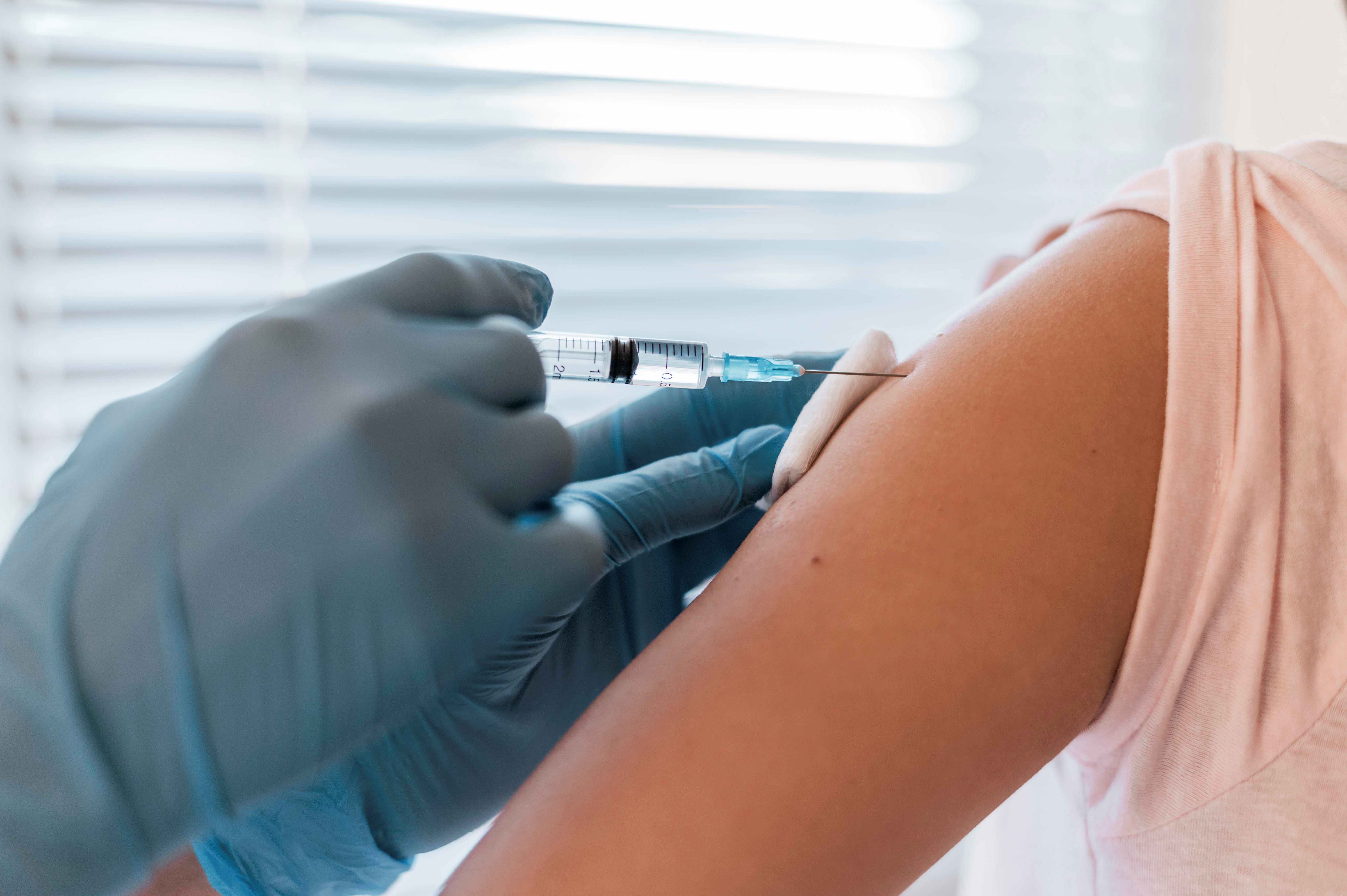
An Australian team has conducted a study involving mice and humans that suggests that vaccine boosters would be more effective if administered in the same arm as the previous dose, at least in the short term. However, other recent research has pointed in the opposite direction. The results are published in the journal Cell.

0

Reactions to the results of the phase 3 malaria vaccine R21 trial

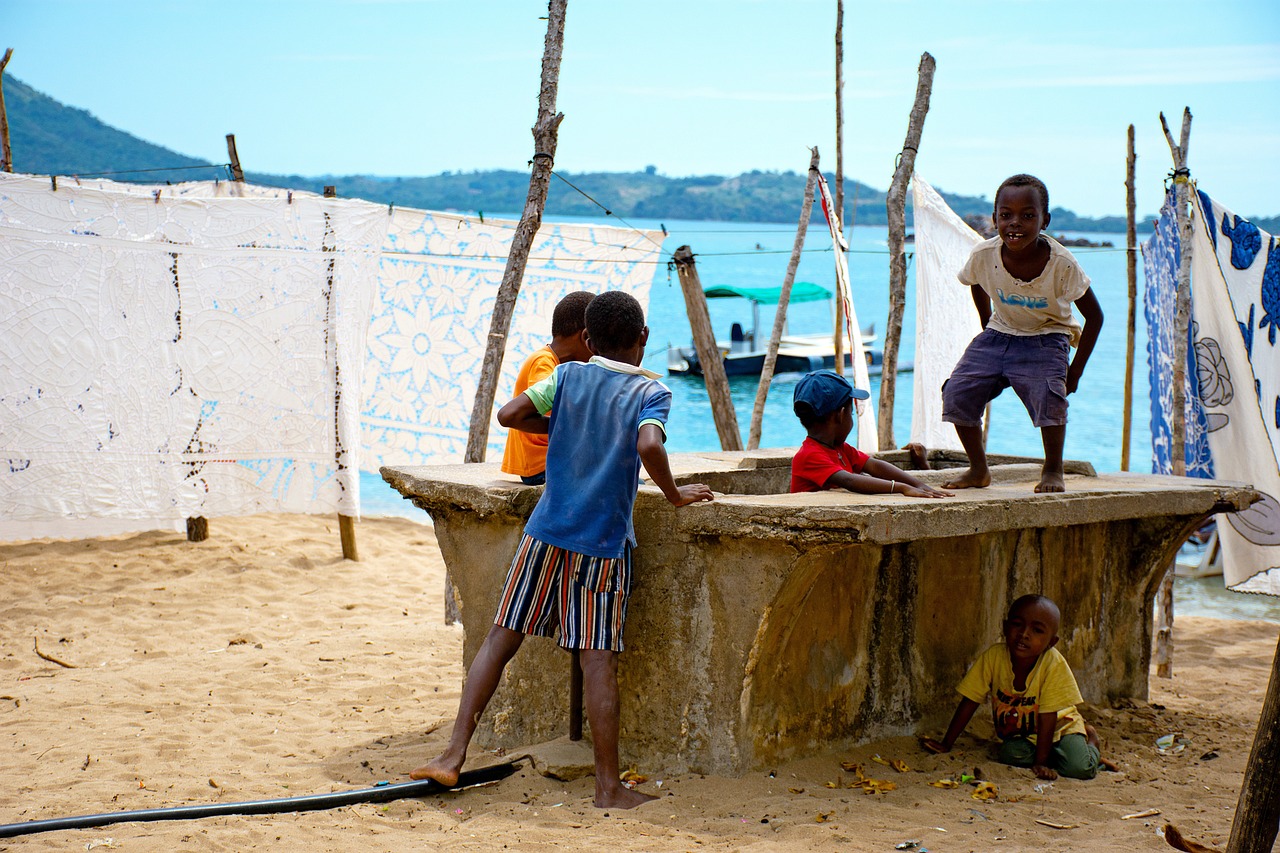
In a clinical trial of nearly 5,000 children aged 5-36 months, a new malaria vaccine - called R21/MatrixM - reduced symptomatic cases by 68-75% over the following year. According to the authors, the vaccine will be inexpensive and could contribute to a substantial reduction in malaria suffering and deaths in sub-Saharan Africa. The results of the phase 3 trial are published in The Lancet.

0