Juan José Gómez Cadenas

Juan José Gómez Cadenas

Juan José Gómez Cadenas
Position

Ikerbasque Professor of Physics at the Donostia International Physics Center (DIPC)

Nobel Prize in Physics Awarded to Francis Halzen for the discovery of high-energy neutrinos of astrophysical origin and for his “decisive contributions” to the IceCube Observatory
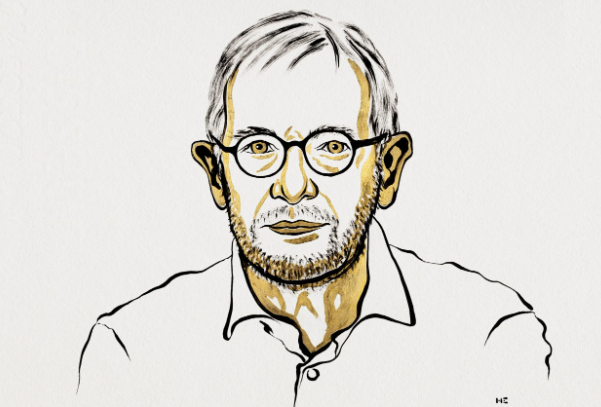
The Royal Swedish Academy of Sciences has awarded the Nobel Prize in Physics to Francis Halzen, the driving force behind the idea of using ice at the South Pole to detect particularly elusive particles known as neutrinos. According to the Academy, his “decisive contributions” have been fundamental to the development of the IceCube Neutrino Observatory: a cubic kilometer of ice equipped with light sensors that allows the scientific community to detect neutrinos originating from extremely high-energy processes in the distant universe, laying the groundwork for an entirely new field of astronomy. 

0
Reactions to Peter Higgs' death

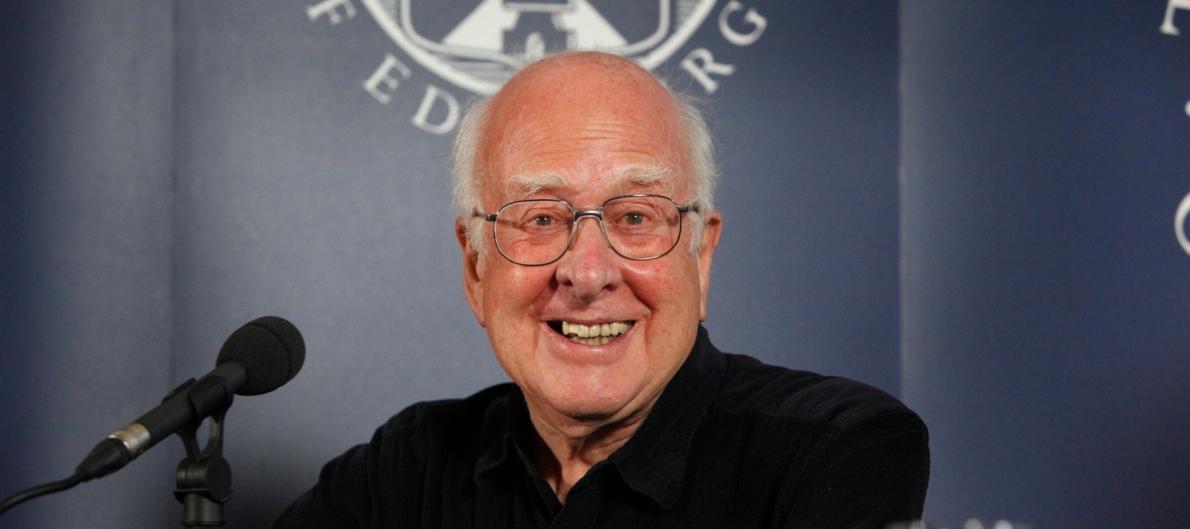
The 'father' of the Higgs boson, British physicist Peter Higgs, died on Monday at the age of 94 at his home in Edinburgh (UK), according to a statement released today by the University of Edinburgh. Higgs was awarded the Nobel Prize in Physics in 2013, along with François Englert, for having predicted in 1964 the existence of a new particle, the so-called Higgs boson. This particle was confirmed almost half a century later by experiments at CERN's Large Hadron Collider.

0

Reactions to the discovery of high-energy neutrinos emitted by an active galaxy

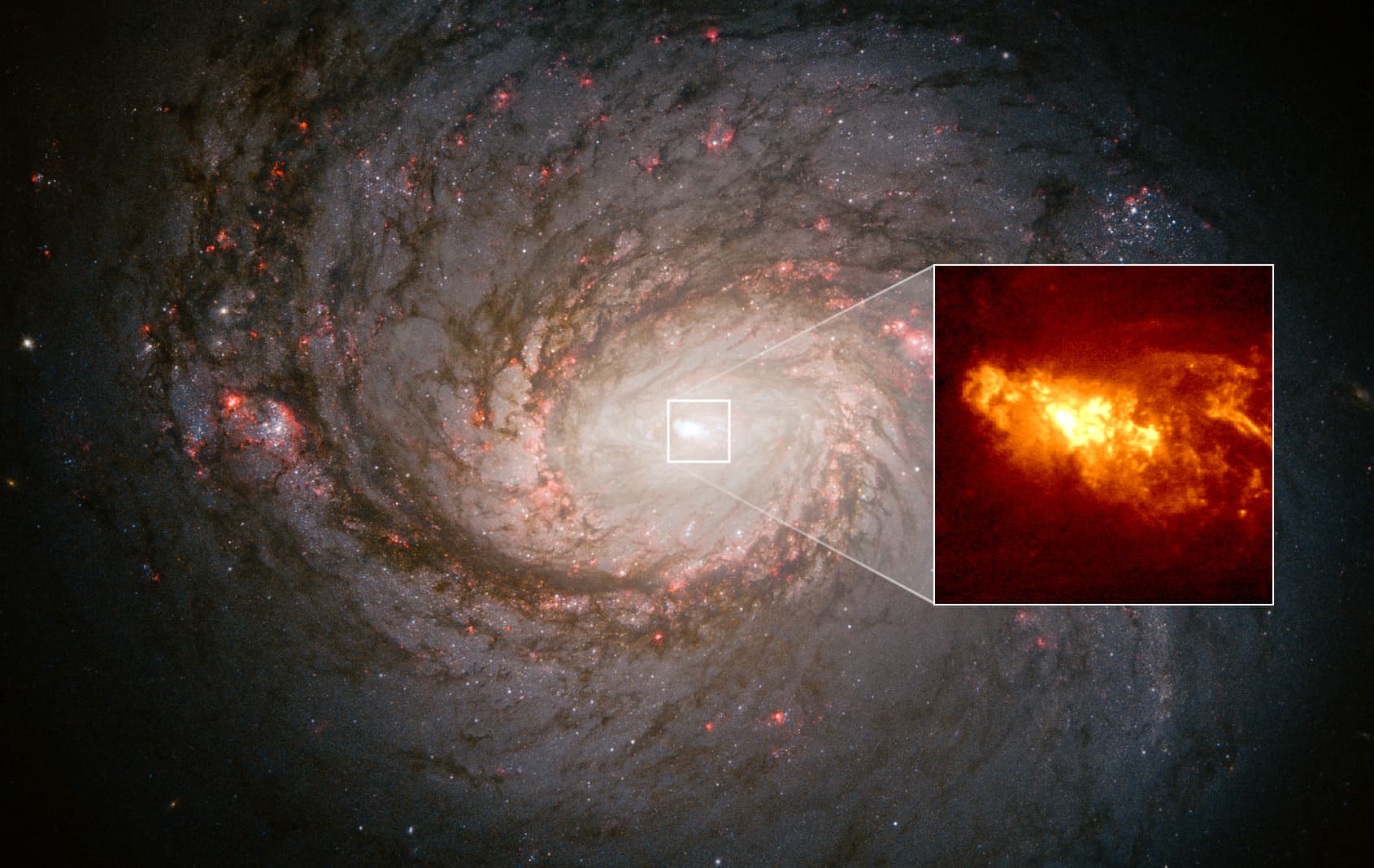
For the first time, the IceCube collaboration team has found evidence for high-energy neutrino emission from NGC 1068, an active galaxy 47 million light-years away with a supermassive black hole. The finding, made with the detector located under the Antarctic ice sheet, is published in the journal Science.

0