Raül Andero Galí

Raül Andero Galí

Raül Andero Galí
Position

ICREA Research Professor, Director of Andero Lab and the Rodent Behavioral Core at the Autonomous University of Barcelona (UAB), and researcher in the Department of Psychobiology and Methodology of Health Sciences at the UAB and at the Carlos III Health Institute, CIBERSAM

Specific molecular differences found in the brains of individuals with post-traumatic stress disorder
A U.S.-based team analyzed 302 post mortem brains—including 101 from individuals who had experienced post-traumatic stress—and identified specific epigenetic molecular differences in those with this disorder. Furthermore, these changes can vary depending on sex or the age at which the trauma occurred. According to the authors, who published their findings in Cell Reports, this type of research could eventually contribute to the development of more individualized treatments.

0
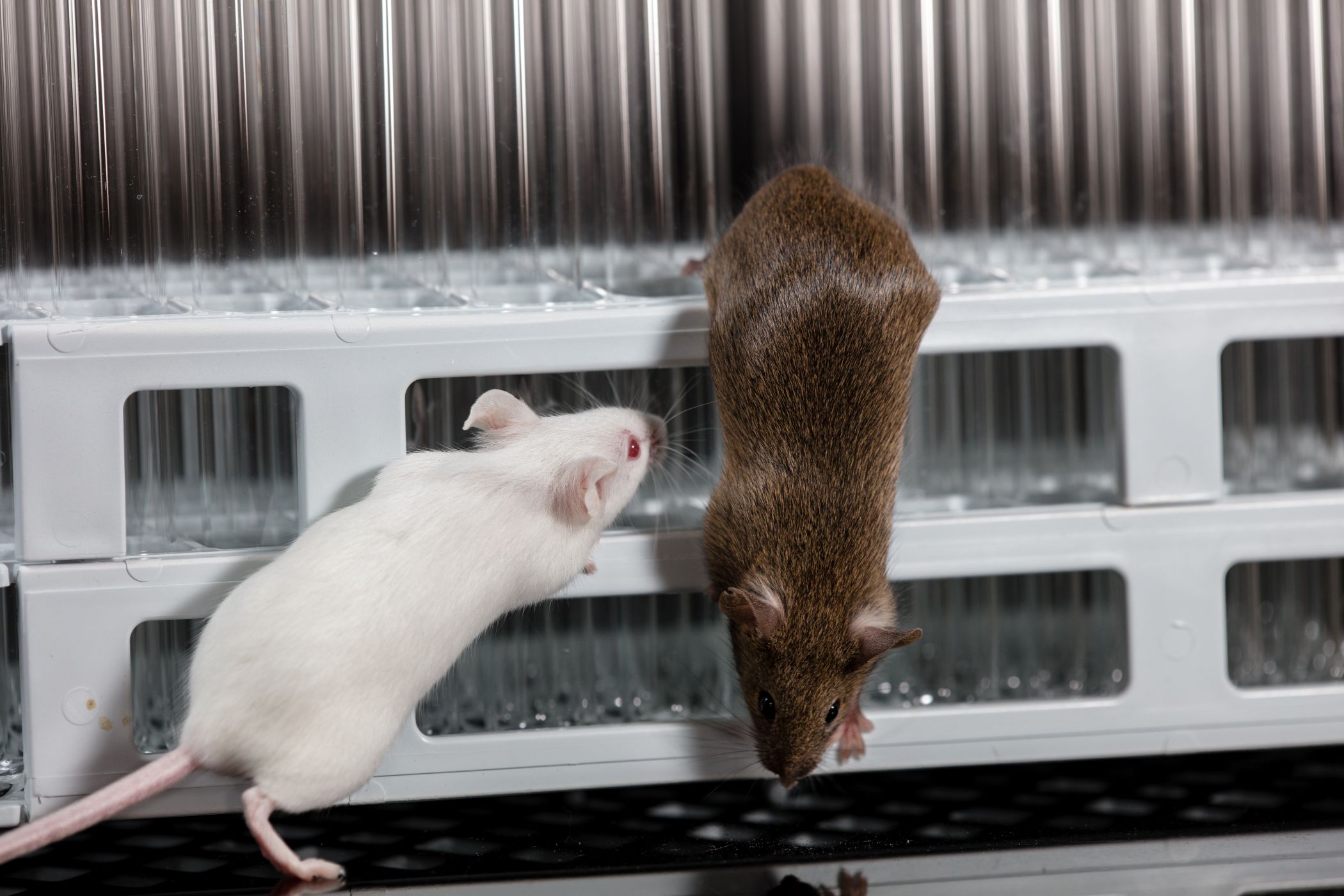
Stress in early life may predispose women to chronic pain and anxiety, according to a study in mice

Stress in early childhood could make the brain more vulnerable to chronic pain and anxiety in adulthood, particularly in women, according to a new study carried out on mice and published today in the journal Science. According to the authors, understanding the neural pathway responsible for this increased sensitivity could provide a therapeutic target for treating these conditions.

0

Nobel Prize in Medicine or Physiology Awarded to Deisseroth, Hegemann, and Nagel for Their Discoveries on Light-Activated Ion Channels and Optogenetics

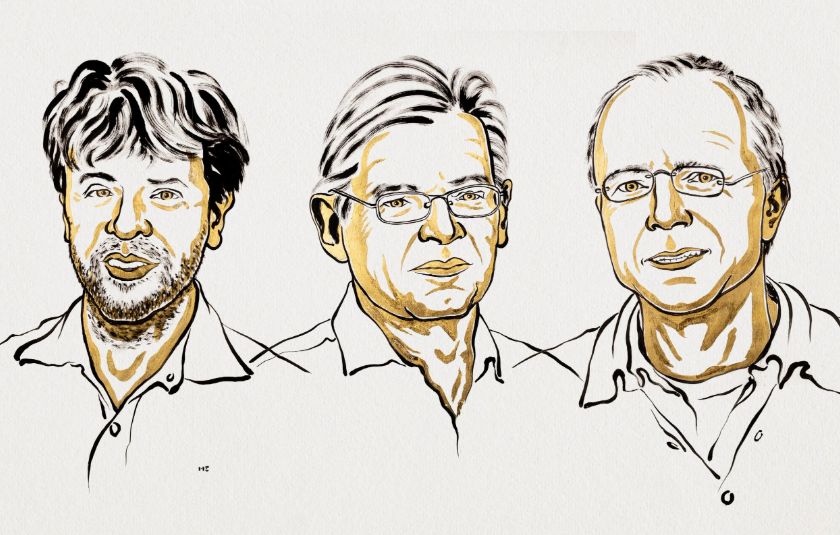
The Karolinska Institute has awarded the Nobel Prize in Medicine or Physiology to Karl Deisseroth, Peter Hegemann, and Georg Nagel for their discoveries regarding light-activated ion channels and optogenetics. This method, which makes it possible to activate or deactivate individual neurons in a living brain, “is currently used in laboratories around the world to unravel the mysteries of the brain,” the institute announced. 

0

Two areas of the brain 'disconnect' in women with post-traumatic stress following sexual assault

In women suffering from post-traumatic stress disorder (PTSD) after experiencing sexual assault, the connectivity between two areas of the brain within the fronto-limbic system is altered, according to a study presented at the European College of Neuropsychopharmacology conference held in Amsterdam (Netherlands). The study, led by a researcher at Hospital Clínic in Barcelona, compared brain images of 40 women with PTSD following a recent sexual assault and 45 control cases. In 22 of these 40 women, communication between the amygdala—which helps process emotions such as fear—and the prefrontal cortex—which helps regulate those emotions—had almost completely disappeared.

0

Reactions: traumatic experiences can be passed on to offspring and reversed with drug in mice

Early-life adversity, such as separation from the mother, can alter the neurological functioning of mice, causing some to experience panic and anxiety later in life. A study shows that these changes can be passed on for at least two generations and that inhalation of a drug, the diuretic amiloride, can reverse them. According to the authors, this treatment could be used in the future to alleviate panic disorders and related conditions in humans. The results are published in the journal Science Advances.

0