Rosa Arévalo García

Rosa Arévalo García

Rosa Arévalo García
Position

Lecturer in Psychobiology at the University of La Laguna

Daily intake of a multivitamin supplement slightly slows biological ageing, according to a clinical trial
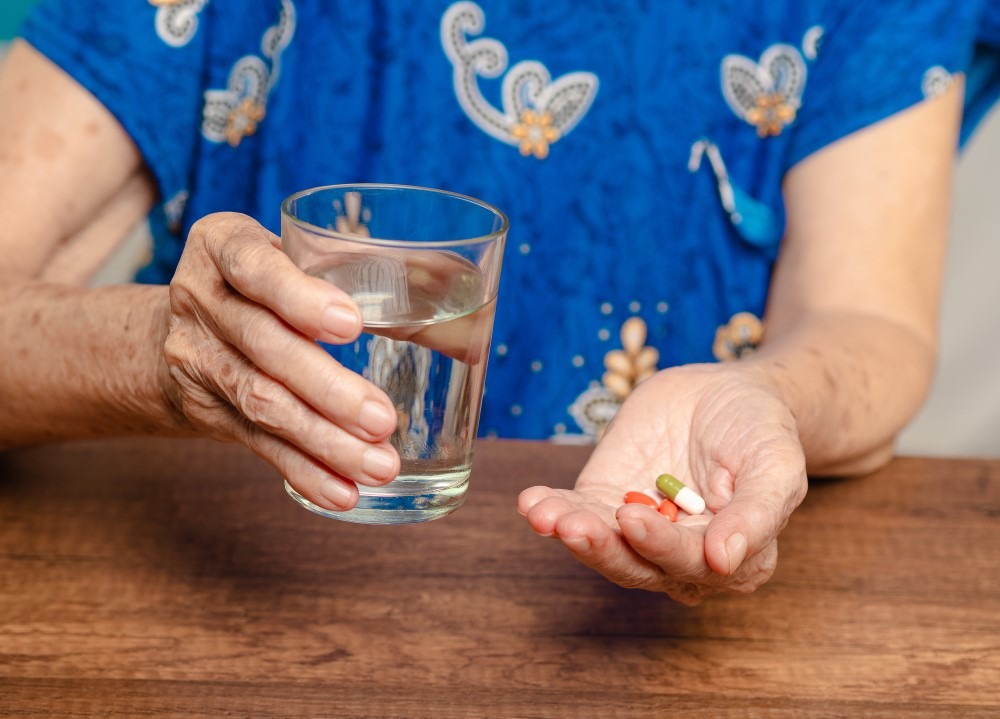
A clinical trial (COSMOS) involving 958 healthy adults with an average age of 70 tested the ability of a multivitamin supplement, together with cocoa extract, to slow ageing. The results, published in Nature Medicine, show that the supplement slightly slowed two of the five biological markers of ageing measured after two years of daily use. The two markers affected were PCPhenoAge and PCGrimAge, whose rate of increase was reduced by 2.6 months and 1.4 months respectively. The slowing effect was greater among participants who initially showed more accelerated ageing. Cocoa showed no effect.

0

Moderate coffee consumption may slow biological ageing in people with severe mental disorders, according to a study

Consuming up to four cups of coffee a day is associated with an increase in telomere length in people with severe mental disorders, such as schizophrenia or bipolar disorder. Telomere length is an indicator of cellular ageing and is shorter in people with these disorders, although the causes are not clearly understood. According to the study, published in BMJ Mental Health, the effect shown is comparable to ‘a biological age five years younger’ in coffee drinkers. 

0

Reactions: study links living as a renter to faster biological ageing

Living as a private renter is associated with faster biological ageing than owning a home, according to a study using a UK database with data available on 1,420 people. The team, whose research is published in the Journal of Epidemiology and Community Health, used DNA methylation data - chemical modifications - to measure people's biological age, and says this correlation is stronger than the association between biological ageing and unemployment, or having been a smoker. Apart from blood samples from the database, the research also used historical data from a national survey.

0