
CREAF
If you are the contact person for this centre and you wish to make any changes, please contact us.
Marine biologist, responsible for policy interaction and institutional relations at the Centre for Ecological Research and Forestry Applications (CREAF) presente in Belém (Brazil)
Member of the Water and Global Change Research Group at the Centre for Research in Ecology and Forestry Applications (CREAF), at the Autonomous University of Barcelona
Postdoctoral researcher at the Institut de Biologia Evolutiva (CSIC- Universitat Pompeu Fabra).
CSIC research professor at CREAF (Centre for Ecological Research and Forestry Applications)
Researcher at CREAF. Researcher associated with the CTFC.
CREAF researcher, member of MedeCC (Mediterranean Experts on Climate Change and Environment) and author of the MAR1 report
Professor of Ecology at the Autonomous University of Barcelona and CREAF researcher
CSIC research professor at CREAF
CSIC researcher at CREAF and co-coordinator of the Laboratory for Biodiversity and Landscape Ecology
CREAF researcher, scientific director of the Catalan Institute of Ornithology and president of the European Bird Census Council
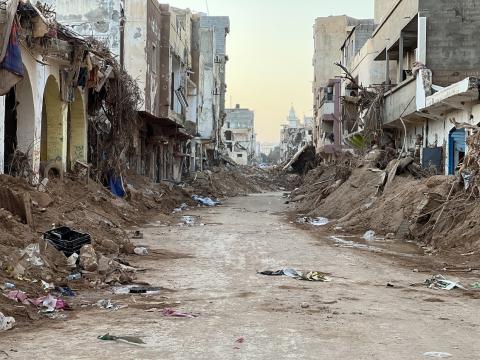
Las lluvias torrenciales caídas en Libia hace dos semanas fueron 50 veces más probables por el calentamiento global provocado por la acción humana. Algo similar ocurría con las lluvias caídas en Grecia, Bulgaria y Turquía, que fueron 10 veces más probables por el cambio climático, según concluye un estudio de atribución rápido de la Word Weather Attribution (WWA). La investigación apunta a que la tragedia en Libia se agravó por otros factores humanos, como construcciones en llanuras inundables y presas en mal estado. Los autores también analizaron las inundaciones registradas en España a principios de septiembre y concluyeron que precipitaciones tan intensas se esperan una vez cada 40 años.
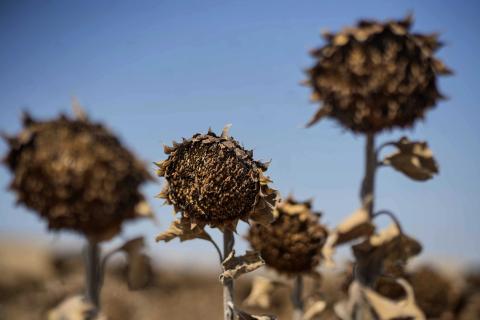
With the prolonged meteorological drought we find ourselves in, we are focusing too much on climate as its cause, while there is a lack of debate about the real problem: chronic water demand. It is necessary to rethink consumption models with all the actors of society and the competent administrations. A future adapted to climate change must address drought by prioritizing the restoration of our water systems and questioning the current development model.
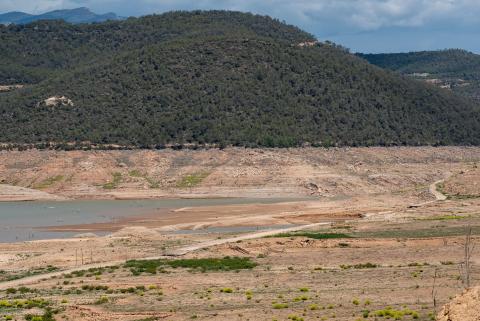
The hydrological, meteorological and agricultural drought that is being experienced in Spain, especially in some regions, comes after a 2022 that was the warmest and one of the driest since records have been kept. Researchers Sandra García Galiano (UPCT) and Annelies Broekman (CREAF) participated in an informative session of SMC Spain in which they analyzed the causes, consequences and possible solutions to face this complex natural phenomenon.
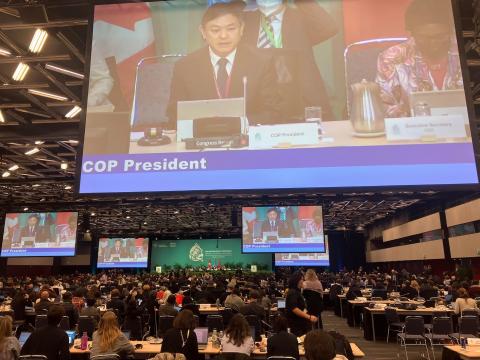
Governments meeting at the COP15 UN Biodiversity Conference in Montreal (Canada) have reached an agreement after two weeks of negotiations. The "Kunming-Montreal Global Biodiversity Framework" aims to protect one third of land and oceans by 2030.
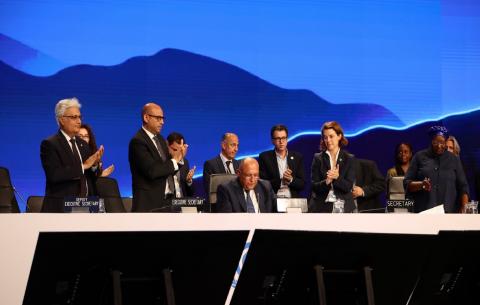
After two long weeks of negotiations and outside the official deadline, COP27 has reached an agreement to create a loss and damage fund to help the most vulnerable countries face the impacts of the climate crisis. However, other issues such as greater ambition in mitigation strategies to avoid exceeding 1.5ºC of warming and less dependence on fossil fuels have not achieved the commitment of all parties.
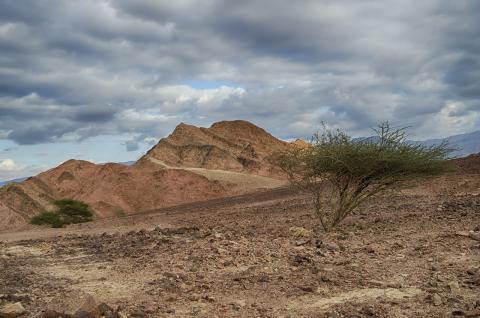
A study published in Science analyses the potential climate benefits of afforestation - both planting trees to create new forests and reforesting old ones - of the world's drylands. The authors show that the cooling effect of afforestation of this vast area would only amount to a decrease of about 1 % of projected greenhouse gas emissions in the business-as-usual and medium-emissions climate scenarios.
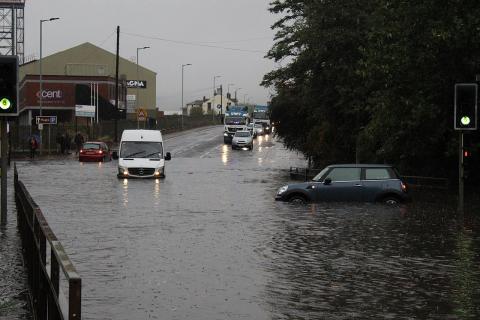
A study published in Nature shows that, in the face of climate events such as extreme droughts and floods, which are likely to increase as a result of climate change, risk management strategies may not be sufficient. The study analyses 45 pairs of data on such events with an average of 16 years between them, including the Barcelona floods of 1995 and 2018.
A study published in PNAS sets out a worst-case scenario for current climate change, explains the likelihood of its occurrence and analyses the devastating consequences it would have. It also includes a research agenda to address it.
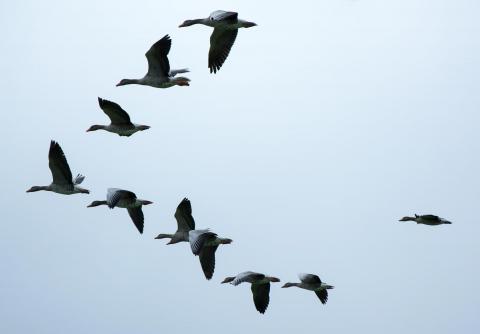
Climate change is causing a mass extinction of species, but for birds, this loss of biodiversity has wider implications. In research published in the journal Current Biology, researchers use statistical models to predict that this extinction will decrease morphological diversity among the remaining birds at a faster rate than species loss alone.
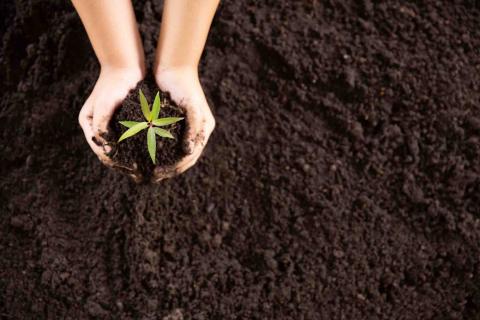
The UN-driven Sustainable Development Goals (SDGs) have influenced governments' narratives around sustainability, but have not led to substantial changes in legislative action or resource allocation, according to an analysis published in the journal Nature Sustainability that has analysed more than 3,000 studies.