Alicia Pérez-Porro

Alicia Pérez-Porro

Alicia Pérez-Porro
Position

Marine biologist, responsible for policy interaction and institutional relations at the Centre for Ecological Research and Forestry Applications (CREAF) who has been to Antalya

COP31 fails to reach an agreement due to a lack of ambition – something that has not happened for almost twenty years
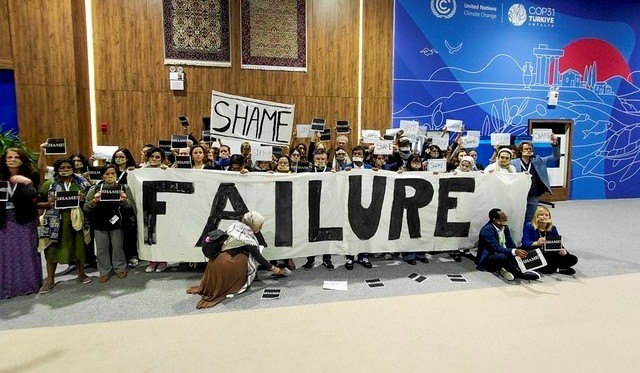
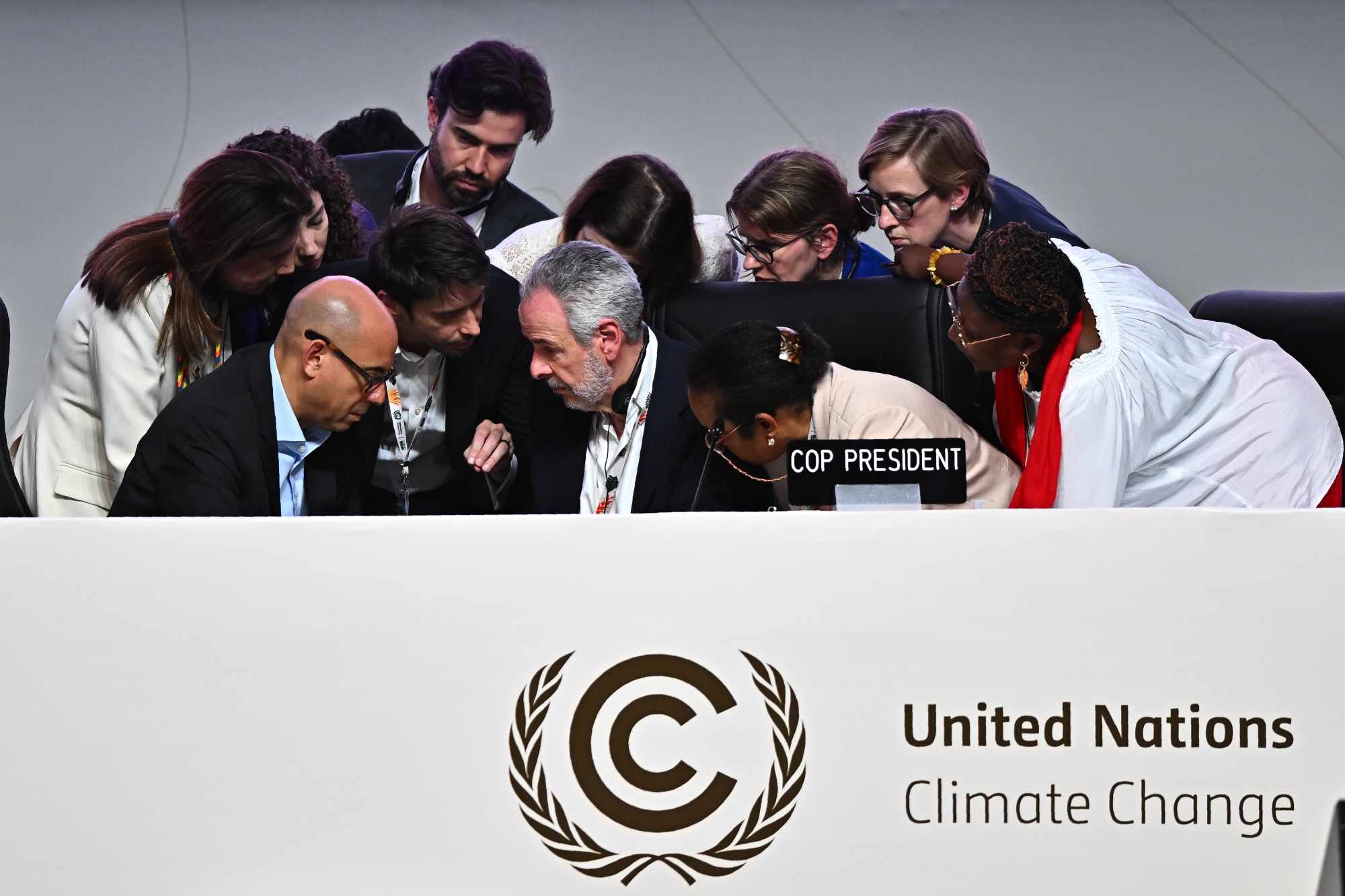
The climate summit in Antalya (Turkey), the longest in the history of the COPs, has failed to reach a consensus agreement – something that has not happened since the 2009 Copenhagen summit. Co-chaired by Australia, and following more than two weeks of negotiations, the nearly 200 delegations have been unable to agree on the final text. The document made no direct mention of phasing out fossil fuels, as called for by the EU and other parties, but did advocate carbon capture and storage technologies – championed by oil-producing nations and other countries, yet heavily criticised for their high cost and because they do not lead to a reduction in CO2 emissions. The COP presidency has stated that there will be no new draft.

0

COP17 on biodiversity concludes with minimal agreements

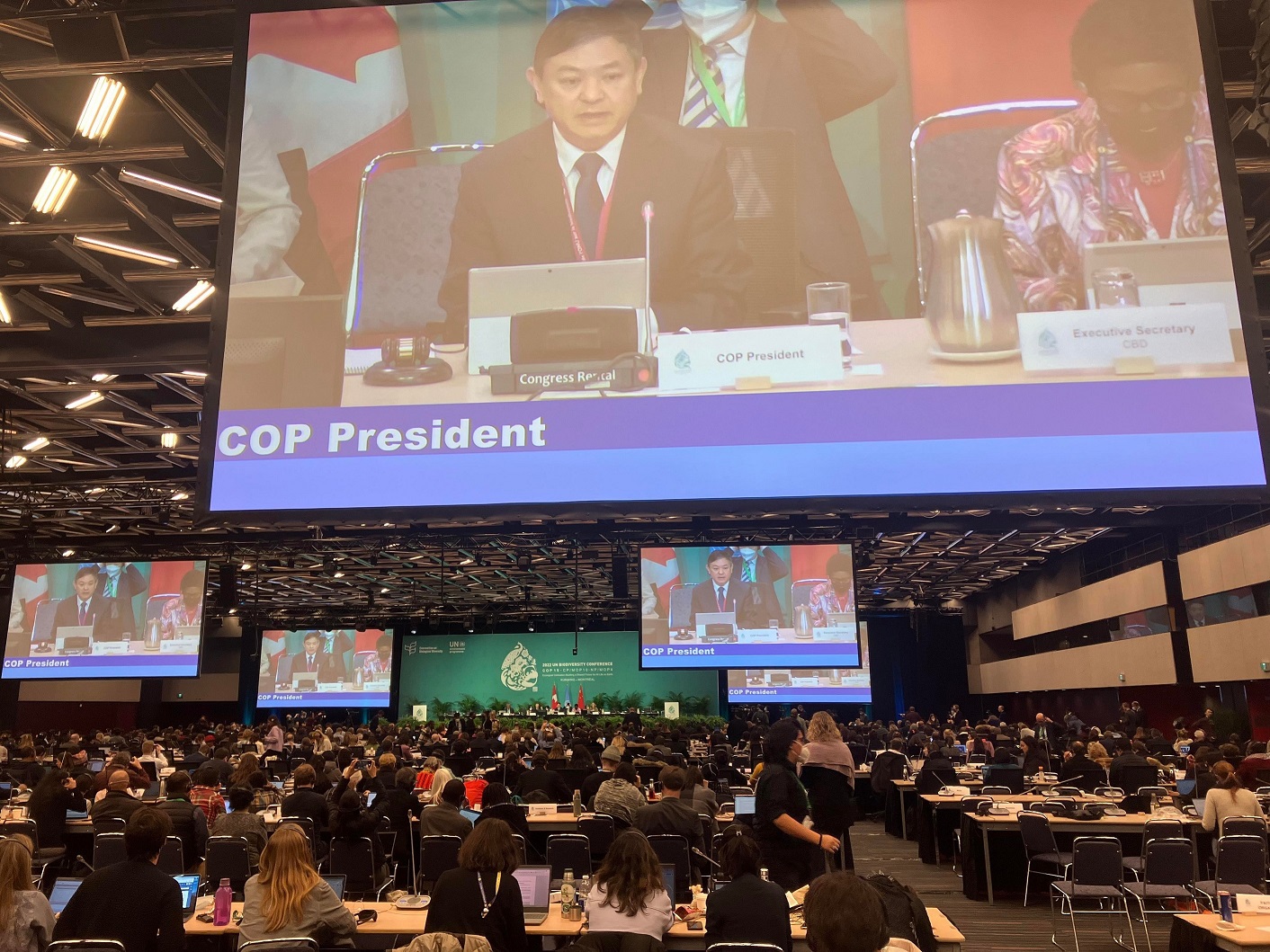
Following a long night of negotiations and a two-week summit, the 17th Conference of the Parties to the Convention on Biological Diversity (COP17), held in Yerevan (Armenia), has concluded with minimal agreements. One of these is the ‘Yerevan Pathway’, which aims to accelerate the implementation of the Kunming-Montreal Global Biodiversity Framework adopted at COP15 and regarded as the equivalent of the Paris Agreement. The new agreement sets out the implementation of national plans, the mobilisation of financial resources and greater involvement from all sectors of society. COP17 also assessed progress towards the targets set, including protecting one-third of the land and oceans by 2030. According to The Climate Watch, the assessment reveals significant gaps between commitments and their implementation.

0

Desertification, biodiversity and climate: what to expect from the three environmental summits in 2026

Next Monday, 17 August, COP17 on desertification gets underway in Ulaanbaatar (Mongolia). This is the first of three environmental summits to be held this year. The next event will be in Yerevan (Armenia), where the COP17 on biodiversity will be held from 19 to 30 October, and the year will conclude with the COP31 on climate change, which will take place in Antalya (Turkey) from 9 to 20 November and will be co-chaired by Australia. Why has there been no proposal for a single summit encompassing all three? Would a climate summit held every two years, like those on biodiversity and desertification, be more appropriate? With the United States out of the picture, who is leading them? To answer these and other questions, SMC Spain organised a briefing session with experts who have extensive experience of this type of summit.

0

Sea surface temperatures have reached record levels for this time of year

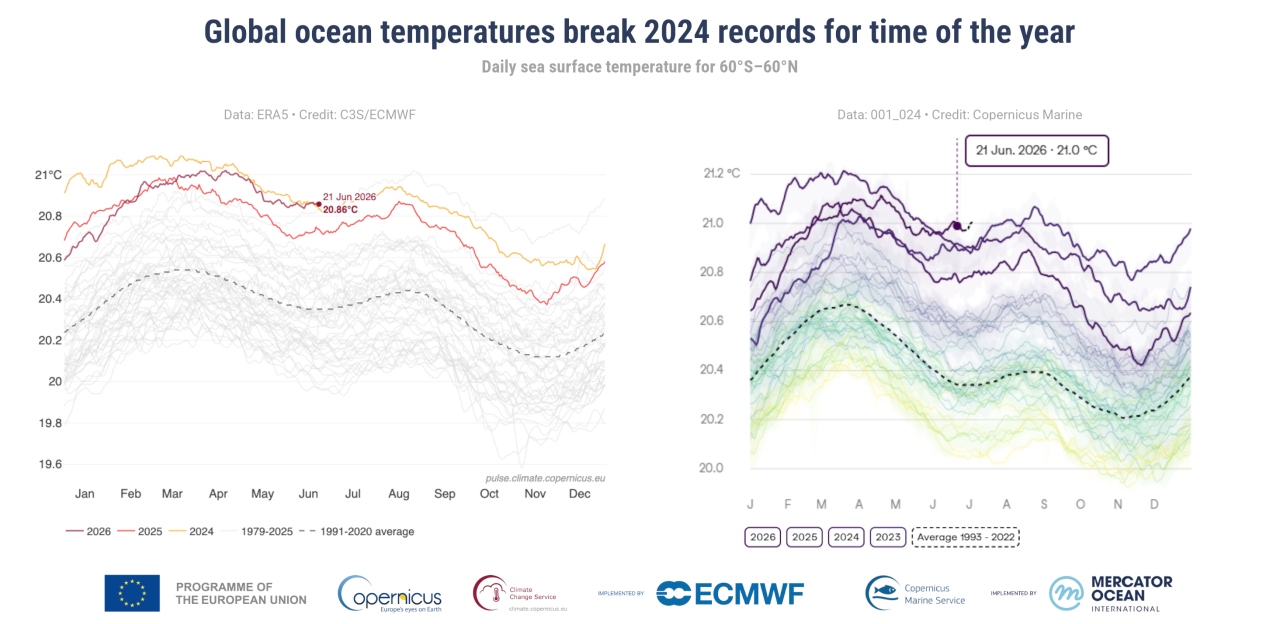
Two Copernicus services have independently confirmed that global sea surface temperatures have broken records for this time of year. Daily data from the Copernicus Climate Change Service exceeded the 2024 levels on 21 June, reaching 20.86 °C, higher than the 20.83 °C recorded in 2023 and 2024. Data from the Copernicus Marine Watch Service show temperatures of 21.0 °C on 21 June, beating the 2023 and 2024 records by 0.1 °C. This unprecedented warming is linked to the onset of El Niño (announced by the WMO and declared by NOAA on 11 June) and to record-breaking sea surface temperatures in the North Pacific; consequences are anticipated for weather patterns, the global climate and marine ecosystems.

0

COP30 ends with a minimal agreement, leaving out any mention of fossil fuels

One day after the deadline, COP30 in Belém (Brazil) has finally reached a minimal agreement. The text does not mention a roadmap for abandoning fossil fuels, as requested by more than 80 states, including the European Union. The agreement states that countries agreed to accelerate climate action and triple funding for developing countries facing extreme weather events.


0

COP16 agrees to adopt first global plan to finance nature conservation

The 16th meeting of the United Nations Conference on Biodiversity (COP16) in Rome has concluded with an agreement to adopt the first global plan for financing nature conservation, after three days of meetings. This meeting meant resuming the negotiations that began last October in Cali (Colombia), where the parties failed to reach an agreement on how to finance the Kunming-Montreal Global Biodiversity Framework reached at COP15, which aims to protect a third of the land and oceans by 2030.

0

Reactions: COP28 approves "transition away from fossil fuels" in Global Stocktake

After an intense night of negotiations in Dubai (United Arab Emirates), the countries participating in COP28 reached a historic agreement by mentioning for the first time "moving away from fossil fuels" in the Global Stocktake document - the assessment of progress made towards achieving the climate goals set out in the Paris Agreement. The agreement comes after the first draft presented by the presidency did not make this mention - it referred only to "reducing consumption and production" of these fuels - which was described as "unacceptable" by countries such as Spain.

0

Reactions to research warning of low impact of Sustainable Development Goals on public policy

The UN-driven Sustainable Development Goals (SDGs) have influenced governments' narratives around sustainability, but have not led to substantial changes in legislative action or resource allocation, according to an analysis published in the journal Nature Sustainability that has analysed more than 3,000 studies.