Institute for Biosanitary Research ibs.GRANADA
If you are the contact person for this centre and you wish to make any changes, please contact us.
Professor at the University of Granada and researcher at the Cybernetics Centre for Epidemiology and Public Health (CIBERESP) and the Institute for Biomedical Research of Granada (ibs.GRANADA)
Researcher at the Department of Philosophy I of the University of Granada and at the Institute for Biosanitary Research ibs.GRANADA

A team in the United States has analysed how exposure to environmental chemicals in previous generations influences the onset of the first menstruation. The researchers used data from the California Child Health and Development Study (CHDS) and analysed blood samples taken from 250 pairs from the 1960s. The results, presented at the annual meeting of the Endocrine Society in San Francisco (USA), show that although the average age of first menstruation remained stable between grandmothers and their daughters, it decreased by one year between daughters and granddaughters. Certain chemicals present in the blood of the mother and father were linked to the onset of puberty in their descendants, with stronger effects in granddaughters, according to the study, and with greater weight of male exposure.

‘Bacterial signatures’ from genital areas could serve as a forensic tool to identify perpetrators of sexual assault, even if there is no trace of sperm, according to a study published in the journal iScience, by the Cell group. After sequencing the DNA of bacteria from genital samples from 12 stable couples, the authors show that a transfer of bacterial species occurs during intercourse, allowing the identification of each person’s own genital microbiome or ‘sexome’.
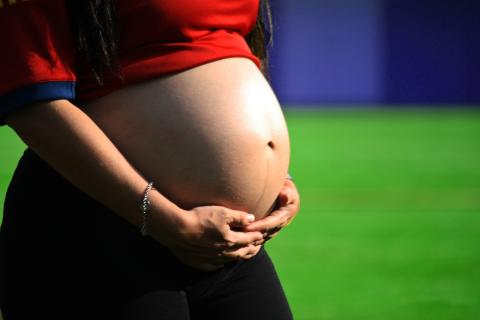
A study conducted in Spain and five other European countries shows that exposure to mixtures of endocrine disruptors during pregnancy is associated with metabolic health problems in children. The research, published in JAMA Network Open, followed more than 1,100 mother-child pairs between 2003 and 2016 and found a correlation between measures of metabolic dysfunction in children aged 6-11 years, and their prenatal exposure to chemicals such as metals or organochlorine pesticides, among others. According to the authors, these results could be related to the current increase in metabolic syndrome across the lifespan, which results in an increased risk of cardiovascular disease and type 2 diabetes.

A research team in Belgium found perfluoroalkylated and polyfluoroalkylated substances (PFAS) in drinking straws. The research, published in the journal Food Additives & Contaminants, analysed the presence of these persistent and potentially harmful compounds in 39 types of straws purchased from different shops, supermarkets or fast food chains. These substances were most prevalent in paper and bamboo straws, followed by plastic and glass straws. They were not detected in stainless steel straws.
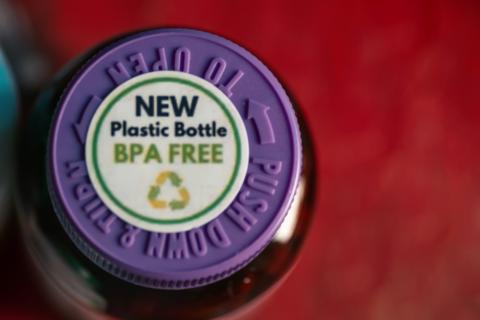
A few weeks ago, the European Food Safety Authority (EFSA) said that exposure to bisphenol A through food is a risk to human health. The agency recommended a much lower tolerable daily intake dose than it had its own previous recommendations. In this explainer, we review key facts and documents to cover this issue--which will continue to make the headlines in months and years to come.

US scientists have found perfluoroalkylated and polyfluoroalkylated substances (PFASs) in sewage sludge from toilet paper waste. The research, published in the journal Environmental Science & Technology Letters, analysed the presence of these persistent and potentially harmful compounds in toilet paper rolls sold in North, South and Central America, Africa and Western Europe. These substances were compared with those detected in samples of sewage sludge from sewage treatment plants in the United States.

Analysis of 45 commonly used chemicals in more than 1,000 pregnant women in six countries, including Spain, finds a link between increased exposure to these compounds and non-alcoholic fatty liver disease in children, according to research published in JAMA Network Open. It is the first comprehensive study of prenatal exposure to these chemicals in combination, as they occur in real life.