International Union for Conservation of Nature (IUCN)
If you are the contact person for this centre and you wish to make any changes, please contact us.
Co-Lead of the IUCN WCPA High Seas Specialist Group
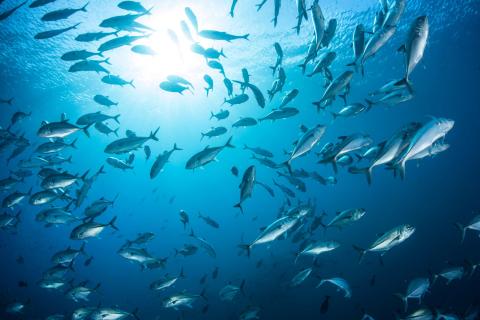
New research analysing more than 33,000 fish populations in the northern hemisphere between 1993 and 2021 reveals that chronic ocean warming is driving a long-term decline in biomass of up to 19.8% per year for species in the Mediterranean, North Atlantic and North-East Pacific. At the same time, in the short term, more fish are thriving in cold areas due to the heat, but these increases are temporary and the authors warn that relying on them would lead to unsustainable exploitation. The study, by the National Museum of Natural Sciences (MNCN-CSIC) and the National University of Colombia, is published in Nature Ecology & Evolution.

The deadline passed and after two marathon nights of meetings, the delegations of the UN member states have managed to reach an agreement to make the so-called Oceans Treaty - or BBNJ Treaty, Biodiversity Beyond National Jurisdiction - a reality. New York City has seen the fifth session of this conference bear fruit with an agreement on the wording of the text, seventeen years after the talks began and with negotiations stalled last August due to a lack of agreement. The Treaty aims to protect and regulate the use of areas beyond national jurisdiction, which account for more than 60% of the oceans, or almost half of the planet. Marine genetic resources and how to share these benefits has been one of the main stumbling blocks.