Maimonides Institute of Biomedical Research of Cordoba
If you are the contact person for this centre and you wish to make any changes, please contact us.
Pediatrician at the Pediatric Endocrinology Unit of the Reina Sofia University Hospital of Cordoba, belonging to the group GC23 Children's Metabolism of the Maimonides Institute of Biomedical Research of Cordoba, and associate professor at the University of Cordoba
Senior scientific researcher and co-principal investigator of Clinical Virology and Zoonoses at the Maimónides Institute for Biomedical Research in Córdoba (IMIBIC), member of CIBERINFEC, Infectious Diseases Area, researcher at the Reina Sofía University Hospital – Infectious Diseases UGC and president of GEHEP (Viral Hepatitis Study Group, SEIMC)
Professor of Cell Biology in the Department of Cell Biology, Physiology and Immunology at the University of Cordoba and researcher in charge of the Hormones and Cancer group at the Maimonides Institute of Biomedical Research of Cordoba (IMIBIC)
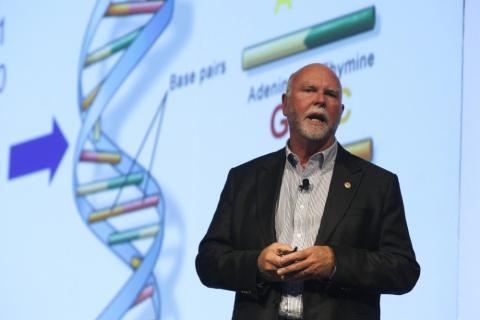
Craig Venter, the American biologist and entrepreneur who founded Celera Genomics to launch his own Human Genome Project in 1999 outside the public consortium, died Wednesday in San Diego at the age of 79, according to a statement from the J. Craig Venter Institute, which he led. Among other achievements, Venter completed the first full sequencing of a living organism’s genetic material and announced that he had succeeded in creating synthetic life.
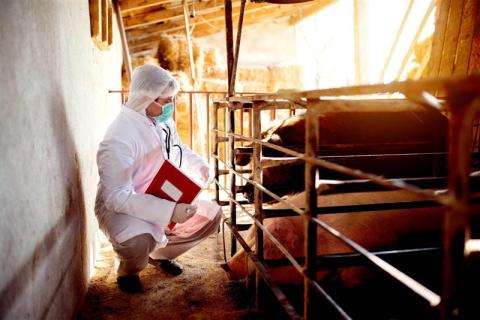
According to the newspaper El País, the Catalan Regional Government has reported a case of swine flu —not swine fever, which is caused by another virus and does not affect humans— in an 83-year-old person in the province of Lleida. The newspaper points out that, as the patient had no contact with pigs that could transmit the virus, they may have been infected by another person.
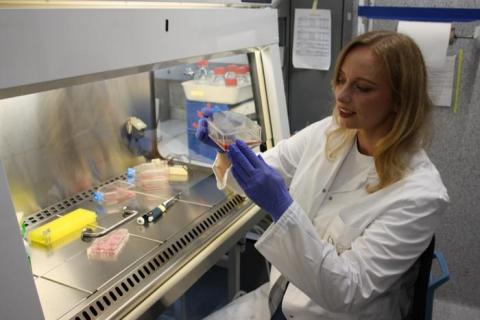
A team of researchers led by the Center for Genomic Regulation in Barcelona has mapped the human spliceosome for the first time. This complex and partially unknown cellular machinery is responsible for cutting and splicing the RNA fragments encoded by genes in different ways, making it possible to obtain a wide variety of proteins from the same sequence. Its alteration is related to processes such as cancer, neurodegenerative processes or various rare diseases. According to the researchers, who publish the results in the journal Science, “by knowing exactly what each part does, we can find completely new angles to address a broad spectrum of diseases”.

A new study presented at the annual meeting of the European Association for the Study of Diabetes (EASD), being held in Madrid from September 9-13, and published simultaneously in the New England Journal of Medicine (NEJM), has revealed that liraglutide, an anti-obesity drug, is safe and effective in children aged 6-12 years.