Sant Joan de Déu Research Institute
If you are the contact person for this centre and you wish to make any changes, please contact us.
Professor of Cognitive Neuroscience
Brainlab, Department of Clinical Psychology and Psychobiology, University of Barcelona (UB).
UB Institute of Neuroscience
Sant Joan de Déu Research Institute
Associate Professor, Brainlab, Department of Clinical Psychology and Psychobiology, University of Barcelona (UB)
UB Institute of Neurosciences
Sant Joan de Déu Research Institute
Psychiatrist, therapist and researcher at Parc Sanitari Sant Joan de Déu and Institut de Recerca Sant Joan de Déu, ANIMA group
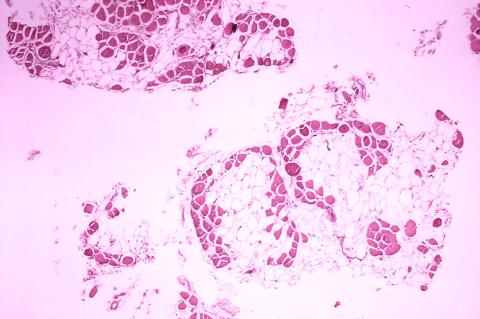
Duchenne muscular dystrophy (DMD) is a serious genetic condition that causes progressive muscle weakness and atrophy, including of the heart. There is currently no cure, and it mainly affects boys and young men. A cell therapy called Deramiocel could slow down muscle weakness in children and young people with advanced-stage DMD, according to a phase III clinical trial published in The Lancet, the first of its kind. The study involved 106 children and young people aged between 10 and 22 with advanced DMD. According to the results, after one year, participants who received the drug lost mobility in their arms 54 per cent more slowly than those in the placebo group, although this did not result in a clear difference in the heart’s ability to pump blood.
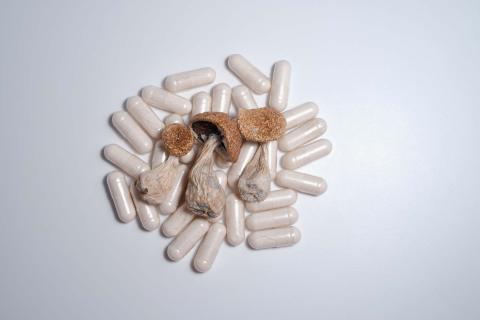
A meta-analysis published in the journal JAMA Psychiatry showed that psychedelic-assisted therapy is no more effective against depression than traditional antidepressants in clinical trials. The research found differences in the use of double-blind methods—that is, when neither the participants nor the researchers know which treatment each group is receiving—which minimises subjective influences on the results. Double-blinding made a difference in the case of traditional drugs, but not in the case of psychedelics, confirming that these trials are, in practice, always open-label.
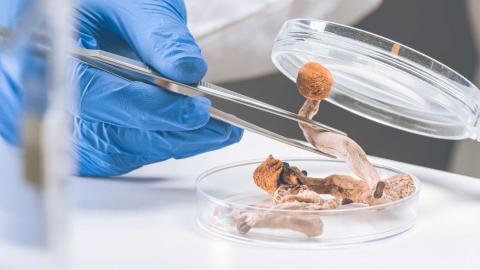
The study of psychedelic drugs in pharmacological treatments had its eureka moment with chemist Albert Hofmann's famous bike ride under the influence of LSD in 1938 and then developed over decades, but with Richard Nixon it was shelved. In recent years, it has resurfaced in hospitals and laboratories around the world. Last week, the Congress of Deputies hosted a conference on these substances. We explain what they are, what they are used for, the current state of research, and their risks, with the help of expert sources.

Dimethyltryptamine (DMT) is responsible for the psychedelic effects of ayahuasca. According to the results of a phase IIa clinical trial published in Nature Medicine, this molecule improved depressive symptoms in adults with depression after one dose. The trial included 34 people, 17 of whom received intravenous DMT. This second group showed greater improvements in depressive symptoms than the control group. After two weeks, in the second part of the trial, DMT was administered to all participants and the antidepressant effects lasted for three months. Adverse effects were mainly pain at the injection site, nausea and transient anxiety.

Babies' brains specialise in their native language from pregnancy, according to a study carried out in France. The research team used encephalograms to measure the brain activity of 33 infants born to French-speaking mothers while listening to a story in French, English or Spanish. The results provide "the most compelling evidence to date that language experience already shapes the functional organization of the infant brain, even before birth," the authors write in Science Advances.