A study suggests that psychedelics are no more effective than antidepressants and confirms that the studies are not double-blind
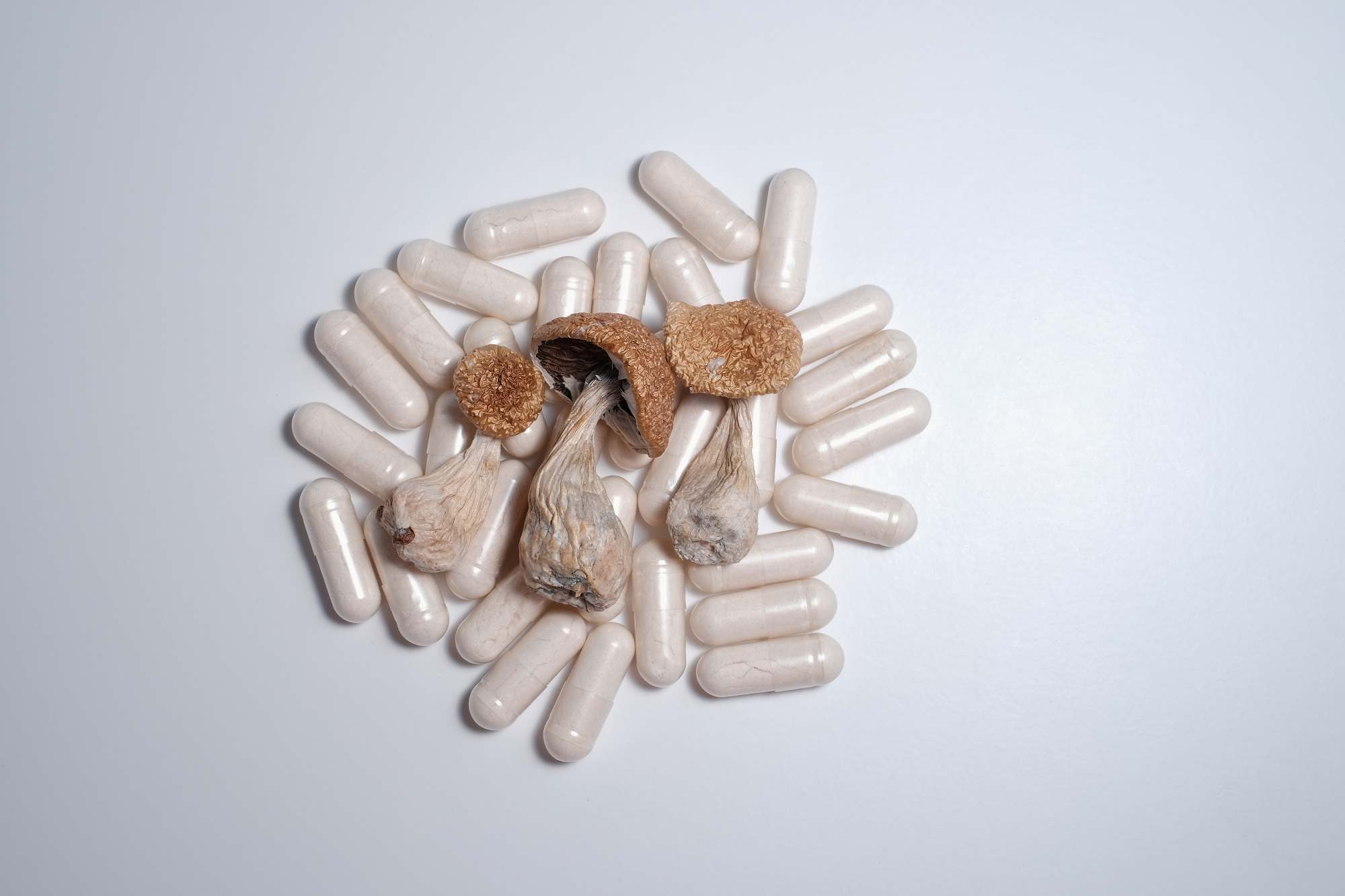
A meta-analysis published in the journal JAMA Psychiatry showed that psychedelic-assisted therapy is no more effective against depression than traditional antidepressants in clinical trials. The research found differences in the use of double-blind methods—that is, when neither the participants nor the researchers know which treatment each group is receiving—which minimises subjective influences on the results. Double-blinding made a difference in the case of traditional drugs, but not in the case of psychedelics, confirming that these trials are, in practice, always open-label.

0
One dose of the active ingredient in ayahuasca improves depressive symptoms, according to the results of a new phase IIa clinical trial

Dimethyltryptamine (DMT) is responsible for the psychedelic effects of ayahuasca. According to the results of a phase IIa clinical trial published in Nature Medicine, this molecule improved depressive symptoms in adults with depression after one dose. The trial included 34 people, 17 of whom received intravenous DMT. This second group showed greater improvements in depressive symptoms than the control group. After two weeks, in the second part of the trial, DMT was administered to all participants and the antidepressant effects lasted for three months. Adverse effects were mainly pain at the injection site, nausea and transient anxiety.

0