psychedelics

psychedelics

psychedelics

One dose of the active ingredient in ayahuasca improves depressive symptoms, according to the results of a new phase IIa clinical trial

Dimethyltryptamine (DMT) is responsible for the psychedelic effects of ayahuasca. According to the results of a phase IIa clinical trial published in Nature Medicine, this molecule improved depressive symptoms in adults with depression after one dose. The trial included 34 people, 17 of whom received intravenous DMT. This second group showed greater improvements in depressive symptoms than the control group. After two weeks, in the second part of the trial, DMT was administered to all participants and the antidepressant effects lasted for three months. Adverse effects were mainly pain at the injection site, nausea and transient anxiety.

0

Reactions: Psilocybin-assisted group therapy reduces depression symptoms in cancer patients

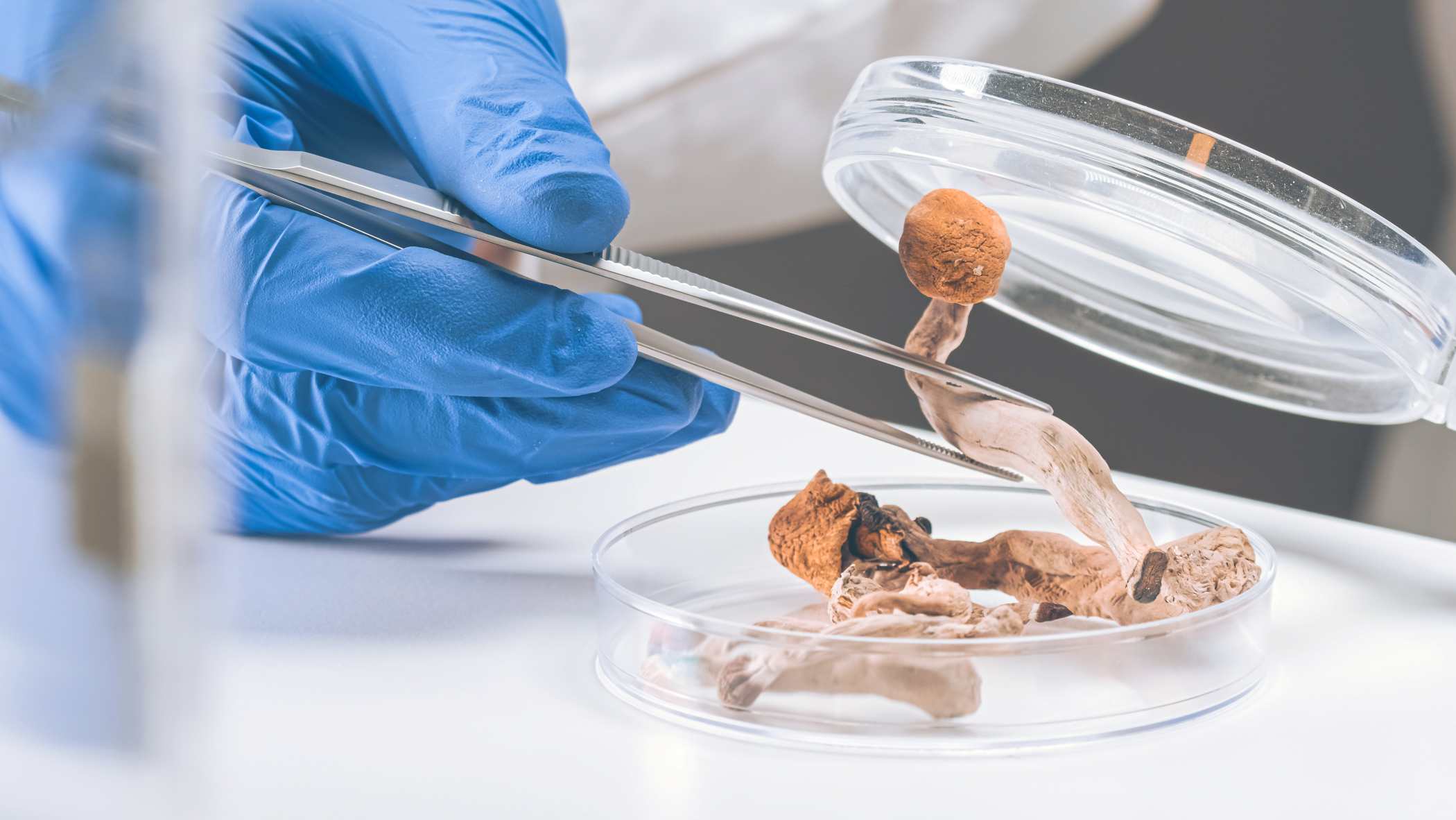
A dose of psilocybin—a hallucinogenic substance—administered to groups of 3 or 4 people suffering from cancer and depression may help reduce their depressive symptoms, according to a clinical trial conducted in the United States. The study involved 30 patients who also received individual and group therapeutic support. In another article, also published in the journal Cancer, the authors examine how the study participants perceived the therapy.

0

Reactions to the phase 1 clinical trial studying the use of the hallucinogen psilocybin for anorexia

A phase 1 clinical trial has tested the use of psilocybin to treat anorexia nervosa. Ten women with the disorder were given 25 milligrams of the hallucinogen along with psychological support. The results show that the treatment is safe and tolerable. Four patients showed an improvement, but the authors acknowledge that, because of the small sample size and the absence of a control group, "the results are preliminary and further research is needed". The results are published in the journal Nature Medicine.

0