University of A Coruña
If you are the contact person for this centre and you wish to make any changes, please contact us.
Doctor of Civil Engineering, Professor of Concrete Structures, researcher at the Construction Group (gCONS) of CITEEC (Centre for Technological Innovation in Building and Civil Engineering) at the University of A Coruña.
Microbiology research at the Biomedical Research Institute of A Coruña
Associate professor at the University of A Coruña
Professor of Biochemistry and Molecular Biology in the Department of Biology at the University of A Coruña
Researcher in educational psychology, member of the Educational Psychology Research Group (GIPED)
Senior Lecturer in the Department of Computer Science and Information Technology at the University of A Coruña and researcher at the Artificial Intelligence R&D Laboratory of the ICT Research Centre (CITIC)

A new United Nations (UN) report assesses the annual environmental costs of artificial intelligence (AI). According to the report, by 2030, if data centers were a country, their electricity consumption would be on par with that of France. As for carbon dioxide emissions, these could reach 400 million tons of CO₂ equivalent, comparable to the total emissions of the United Kingdom. The 9.3 trillion liters of water they use would cover the drinking water needs of the planet’s 8.1 billion people for 1.6 years. The report notes that the generation of high-resolution videos is at the top of AI’s energy consumption. Furthermore, it highlights the growing digital divide and environmental injustice between the nations that control AI systems and those that bear their environmental costs, particularly in the Global South.
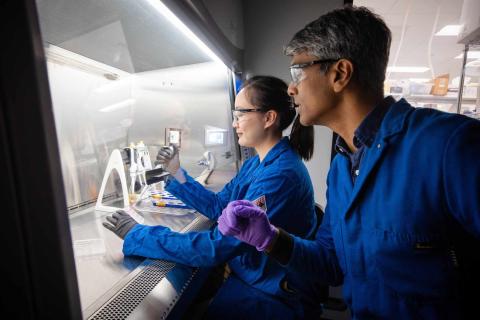
The so-called 'dark transcriptome' consists of non-coding RNA, i.e. RNA that does not provide instructions for building proteins. A study published in the journal Science Signaling used long non-coding RNAs (lncRNAs) and modified them to attenuate acute inflammation in mice and human cells. The authors are confident that this could open up a new field of therapeutic development.

How much homework do teachers assign? If children spend more time doing homework, do they get better grades? What should homework be like in order to be useful? There are conflicting opinions on this subject, as well as a great deal of academic research. In this article, we present evidence to unravel some of the controversies –with a focus on primary education, which is usually completed between the ages of six and twelve.
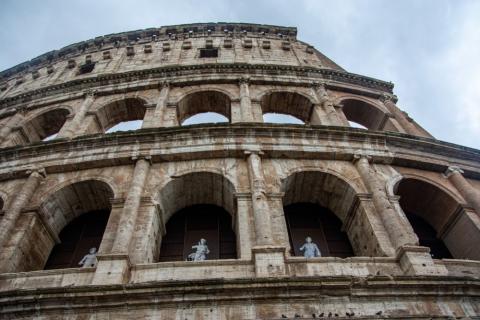
The concrete used by the Roman Empire was used to build aqueducts, bridges and buildings that have lasted for over two thousand years. A study analyses whether returning to this ancient material would help to decarbonise modern cement. According to the authors, reproducing the recipe would require a similar amount of energy and water, with similar CO2 emissions; however, its durability could make it a more sustainable option. It is published in the Cell Press journal iScience.
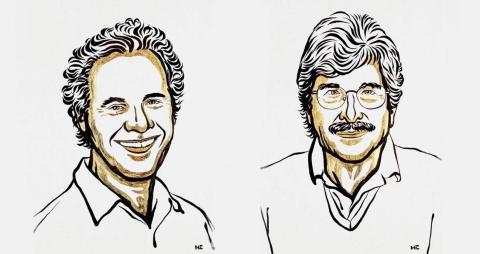
The Karolinska Institute has awarded the Nobel Prize in Medicine or Physiology to Victor Ambros and Gary Ruvkun for the discovery of microRNAs, small RNA fragments that do not contain instructions for making proteins but instead participate in the regulation of gene expression. Their role is fundamental in processes such as cell differentiation, and their alteration can influence diseases like cancer.
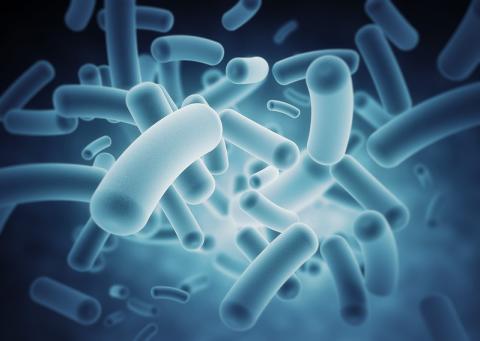
Vitamin D enhances the response to cancer immunotherapy in mice via the gut microbiome, according to a study published in Science. The role of vitamin D in cancer immune modulation had already been studied in previous studies. Now, the authors suggest that this nutrient acts on intestinal epithelial cells, altering the composition of the microbiome and favoring a species of bacteria called Bacteroides fragilis, which regulates immunity against cancer.