University of Oviedo
If you are the contact person for this centre and you wish to make any changes, please contact us.
Ramón y Cajal researcher in the Department of Biochemistry and Molecular Biology of the University of Oviedo.
Senior Lecturer in the Department of Zoology at the University of Oviedo
Researcher at the Mixed Institute for Biodiversity Research (IMIB), CSIC-University of Oviedo-Principality of Asturias
Assistant Professor in the Department of Philosophy at the University of Oviedo
Permanent lecturer in the Department of Philosophy, University of Oviedo
Tenured Scientist and Honorary Associate Professor at the Joint Research Institute for Biodiversity (University of Oviedo–CSIC–Principality of Asturias) and Swansea University (United Kingdom)
Full Professor at the University of Oviedo in the area of “Computer Languages and Systems”
Researcher in the Department of Biochemistry and Molecular Biology
Member of the Department of Neurology, Stroke Unit of the Central University Hospital of Asturias (HUCA) and Associate Professor of Health Sciences, University of Oviedo
Researcher at the Joint Institute for Biodiversity Research of the University of Oviedo
Full professor of Pathological Anatomy at the University of Oviedo, Scientific Director of the Principality of Asturias Biobank (BioPA) and Coordinator of the Organoid hub of the ISCIII Biomodels and Biobanks platform
Full professor in the Department of Physics at the University of Oviedo and member of the FPAUO High Energy Physics research group
Professor of Ecology at the University of Oviedo
Researcher in the area of Prehistory in the Department of History at the University of Oviedo
Professor at the Faculty of Medicine of the University of Oviedo, chair of the Health and Safety Committee at the same university, where he is responsible for REUPS and One Health, and former president of the Spanish Society of Sports Medicine
Researcher at the Mixed Institute for Biodiversity Research (IMIB), CSIC-University of Oviedo-Principality of Asturias
Researcher at the Biodiversity Research Institute (CSIC-University of Oviedo-Principality of Asturias)
Professor in the Department of Organism and Systems Biology in the field of Agroforestry Engineering at the University of Oviedo.
Epidemiologist and Director of the Emergency and Disaster Research Unit at the University of Oviedo
Doctor of Medicine, Full Professor of Emergency Medicine at the University of Oviedo, emergency physician (SAMU-Asturias), researcher at the Asturias Health Research Institute, coordinator of the Pre-hospital Care and Disaster Research Group, and director of the Pre-hospital Care Research Network and advisor to WHO technical working groups related to emergencies and disasters
Doctor of Psychometrics, Professor of Research Methodology
Senior Lecturer in the Department of Psychology at the University of Oviedo and Principal Investigator of the CIPRES group (Science and Public Engagement in Prevention and Mental Health)
Vice-President of the Planetary Geology Commission of the Geological Society of Spain, Secretary of the Iberian Hub Europlanet, Coordinator of the MapPlaneST research group, and Lecturer in the Department of Geology at the University of Oviedo
Researcher in the Department of Biochemistry and Molecular Biology at the University of Oviedo

Two research teams, with some authors in common, have shown in two separate studies that interaction with chatbots using artificial intelligence (AI) can significantly change a voter's opinion about a presidential candidate or a policy proposal. One of the studies, published in Nature, was conducted in three countries (the US, Canada, and Poland), while the other, developed in the UK, is published in Science. Both studies reach the same conclusion: the persuasive power of these tools stems less from psychological manipulation than from the accumulation of fact-based claims that support their position. However, this information is not always accurate, and the greater the persuasive power, the greater the inaccuracy and fabrication.
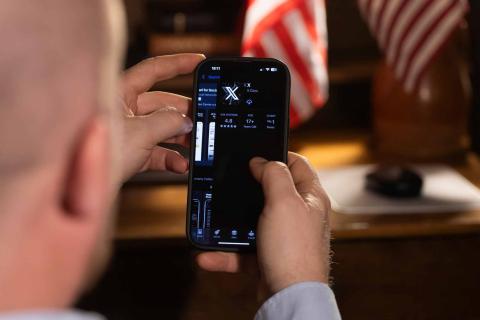
A US research team has devised a method that uses a browser extension to alter the algorithm of X (formerly Twitter) to study its impact on user behaviour. In a 10-day experiment with 1,256 volunteers during the 2024 US presidential campaign, they used the method to vary the content expressing anti-democratic attitudes and partisan hostility. According to the authors, the results—published in Science—provide causal evidence that greater or lesser exposure to this type of content alters polarisation in the same way. Their conclusions contradict previous research published in the same journal, which found no such relationship on Facebook or Instagram. In that case, the study was conducted in collaboration with and funded by Meta.

Consuming up to four cups of coffee a day is associated with an increase in telomere length in people with severe mental disorders, such as schizophrenia or bipolar disorder. Telomere length is an indicator of cellular ageing and is shorter in people with these disorders, although the causes are not clearly understood. According to the study, published in BMJ Mental Health, the effect shown is comparable to ‘a biological age five years younger’ in coffee drinkers.
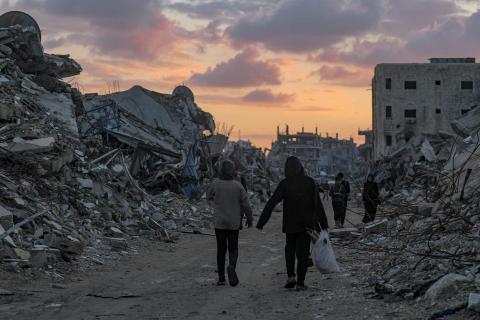
A new article published in eClinicalMedicine measures mental health problems in the Gaza Strip among the population over 40 years of age before and after the genocide committed by Israel. The study indicates that the proportion of these adults experiencing high levels of distress has tripled in the last five years, with a peak following the escalation of the massacre since October 2023. It was already known that chronic stress factors affecting victims pose a serious threat to mental health, but no longitudinal study had yet been conducted comparing distress in the same individuals before and after the genocide.

A study by the University of Cádiz has identified six factors that drive polarization around health-related issues, for example during crises such as the COVID-19 pandemic: political ideology, misinformation, social media dynamics, trust in institutions and professionals, risk perception, and socioeconomic factors. This review, published in Science Advances, brings together the conclusions of 90 previous studies and analyzes how these determinants exacerbate health inequalities and influence compliance with public health measures.
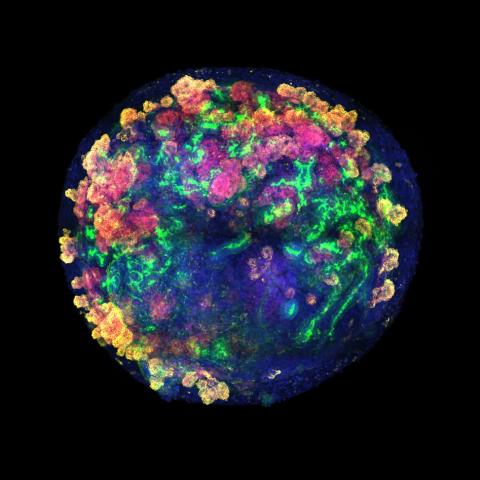
An international team, including several Spanish groups and coordinated by the Institute for Bioengineering of Catalonia (IBEC), has developed a pioneering technology that allows for the creation of multiple human kidney organoids, their combination with pig kidneys outside the body, and their successful transplantation back into the same animal. The method could contribute to improving future research and, according to the authors, allows us to envision a future clinical scenario in which organs destined for transplantation can be treated and conditioned before implantation. The work is published in Nature Biomedical Engineering.
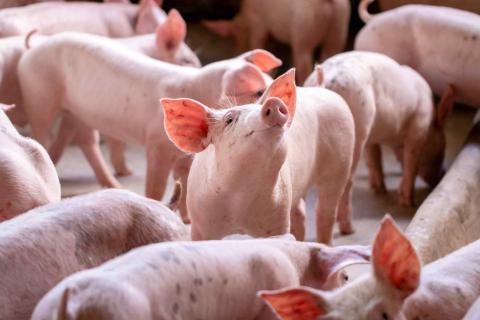
A team from China has reported the results of the first liver transplant from a pig to a living human. Earlier this year, a procedure that served as a proof of concept was published, but it was performed on a brain-dead person. In this case, after modifying 10 genes in the porcine liver, an auxiliary transplant—not removing the entire organ—was performed on a 71-year-old patient with cirrhosis and liver cancer. It worked well for the first month, but on day 38, the graft had to be removed due to the development of complications, and the patient died on day 171. According to the researchers, who published the case in the Journal of Hepatology, this is "a fundamental step that demonstrates both the promise and the obstacles that remain to be overcome".
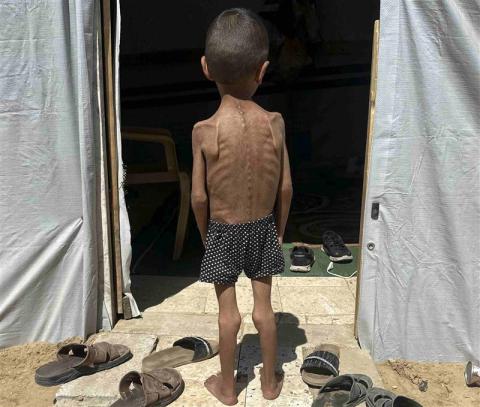
More than 54,600 children under the age of five in Gaza are in need of medical care for acute malnutrition, according to estimates from a study published in The Lancet, which shows that the prevalence of malnutrition decreases during a ceasefire and increases during Israeli blockades of access to food, water, or medicine. For example, after four months of severe aid restrictions—between September 2024 and January 2025—malnutrition increased from 8.8% to 14.3%, with a higher incidence in Rafah and among children between 24 and 59 months of age. The study, conducted by UNRWA, is based on data from more than 219,000 children between the ages of six and 59 months from various locations in the Gaza Strip, collected between January 2024 and August 2025.
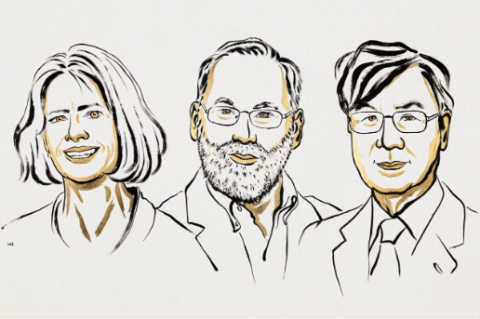
The Karolinska Institute has awarded the Nobel Prize in Medicine or Physiology to Mary E. Brunkow, Fred Ramsdell and Shimon Sakaguchi for describing how the immune system is regulated so as not to harm us. His groundbreaking discoveries on peripheral immune tolerance have spurred the development of new treatments for cancer and autoimmune diseases.
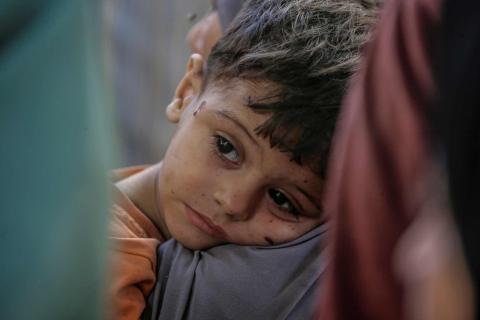
Through surveys of 78 healthcare workers in Gaza between August 2024 and February 2025, an international team has documented patterns of injuries among the civilian population during Israel's ongoing invasion. The most common traumatic injuries were burns, followed by injuries to the lower and upper limbs. Explosion damage accounted for most of the weapon-related trauma, which particularly affected the head, while gunshot wounds were mainly located in the lower limbs. The study is published in The BMJ.