
University of Oviedo
If you are the contact person for this centre and you wish to make any changes, please contact us.
Ramón y Cajal researcher in the Department of Biochemistry and Molecular Biology of the University of Oviedo.
Senior Lecturer in the Department of Zoology at the University of Oviedo
Researcher at the Mixed Institute for Biodiversity Research (IMIB), CSIC-University of Oviedo-Principality of Asturias
Assistant Professor in the Department of Philosophy at the University of Oviedo
Permanent lecturer in the Department of Philosophy, University of Oviedo
Tenured Scientist and Honorary Associate Professor at the Joint Research Institute for Biodiversity (University of Oviedo–CSIC–Principality of Asturias) and Swansea University (United Kingdom)
Full Professor at the University of Oviedo in the area of “Computer Languages and Systems”
Researcher in the Department of Biochemistry and Molecular Biology
Member of the Department of Neurology, Stroke Unit of the Central University Hospital of Asturias (HUCA) and Associate Professor of Health Sciences, University of Oviedo
Researcher at the Joint Institute for Biodiversity Research of the University of Oviedo
Full professor of Pathological Anatomy at the University of Oviedo, Scientific Director of the Principality of Asturias Biobank (BioPA) and Coordinator of the Organoid hub of the ISCIII Biomodels and Biobanks platform
Full professor in the Department of Physics at the University of Oviedo and member of the FPAUO High Energy Physics research group
Professor of Ecology at the University of Oviedo
Researcher in the area of Prehistory in the Department of History at the University of Oviedo
Professor at the Faculty of Medicine of the University of Oviedo, chair of the Health and Safety Committee at the same university, where he is responsible for REUPS and One Health, and former president of the Spanish Society of Sports Medicine
Researcher at the Mixed Institute for Biodiversity Research (IMIB), CSIC-University of Oviedo-Principality of Asturias
Researcher at the Biodiversity Research Institute (CSIC-University of Oviedo-Principality of Asturias)
Professor in the Department of Organism and Systems Biology in the field of Agroforestry Engineering at the University of Oviedo.
Epidemiologist and Director of the Emergency and Disaster Research Unit at the University of Oviedo
Doctor of Medicine, Full Professor of Emergency Medicine at the University of Oviedo, emergency physician (SAMU-Asturias), researcher at the Asturias Health Research Institute, coordinator of the Pre-hospital Care and Disaster Research Group, and director of the Pre-hospital Care Research Network and advisor to WHO technical working groups related to emergencies and disasters
Doctor of Psychometrics, Professor of Research Methodology
Senior Lecturer in the Department of Psychology at the University of Oviedo and Principal Investigator of the CIPRES group (Science and Public Engagement in Prevention and Mental Health)
Vice-President of the Planetary Geology Commission of the Geological Society of Spain, Secretary of the Iberian Hub Europlanet, Coordinator of the MapPlaneST research group, and Lecturer in the Department of Geology at the University of Oviedo
Researcher in the Department of Biochemistry and Molecular Biology at the University of Oviedo
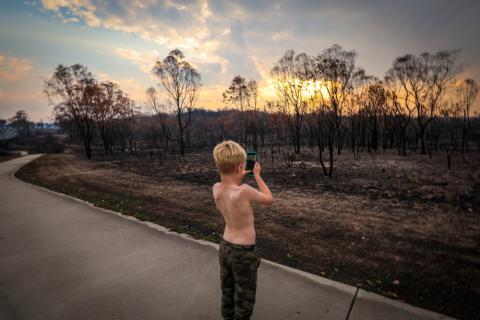
A study published in the journal Environmental Research Letters estimates that babies born in Spain in 2025 will experience 7.3 more years of extreme weather conditions conducive to wildfires. The exposure for their grandparents, born in 1950, will be half that figure: 3.7 additional years. According to the authors, the vast majority of this increase is due to climate change rather than rising life expectancy. Limiting global warming to 1.5 °C, in line with the Paris Agreement, would reduce Spanish young people’s lifetime exposure to these conditions by more than a year, compared with current policies.
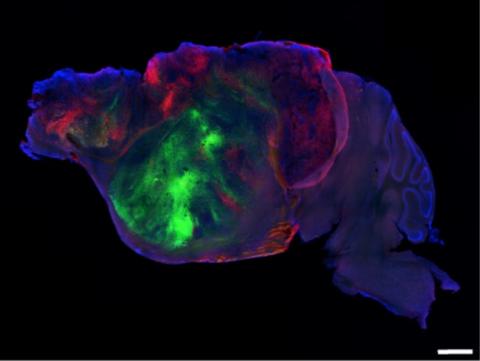
A US-based team with Spanish participation has successfully transplanted cortical organoids—self-organizing fragments of lab-grown human brain tissue—into modified mice lacking most of their cerebral cortex, the brain layer responsible for functions ranging from cognition and language to attention and decision-making. The research, published in the journal Nature, shows that the human tissue survived, grew, and developed functional connections with the mice's brains and, extending beyond that, with the spinal cord. According to the authors, this could help generate new models for studying disease-related alterations in human brain circuits.
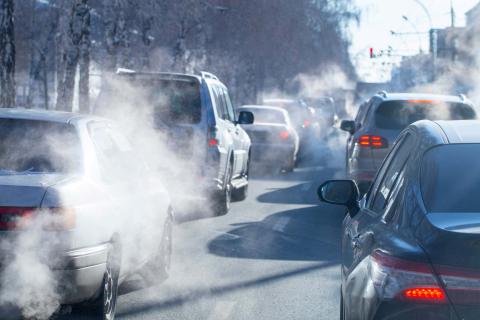
A meta-analysis has examined the relationship between four environmental exposures – air, noise, light and water pollution – and the risk of death by suicide, suicide attempts and suicidal thoughts. The research shows an association between these three events and exposure to various air pollutants. Specifically, the study, published in the Journal of Epidemiology & Community Health, links these three events to short-term exposure to particulate matter (PM2.5 and PM10) and long-term exposure to PM2.5 and nitrogen dioxide. The research encompassed 45 studies, 29 of which were included in the meta-analysis and 16 in a systematic review. In the review, the authors found possible associations between suicide and other air pollutants (including sulphur dioxide and ozone) as well as noise pollution. By contrast, no significant associations were found with either light pollution or water pollution.
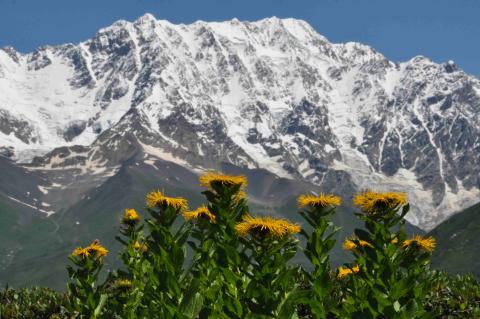
The peaks of European mountains such as the Pyrenees or the Sierra Nevada may be gaining plant species as the climate warms, but this apparent increase in biodiversity is masking a growing wave of local extinctions. These are the main conclusions of a study published in the journal Science, which includes Spanish participation and analyses nearly a thousand vegetation plots spread across 62 European mountain peaks. The reason is that higher-altitude mountain regions have gained plant species in recent decades as plants from lower altitudes have expanded up the slopes, but this may mask the decline or disappearance of specialised, high-altitude resident species.
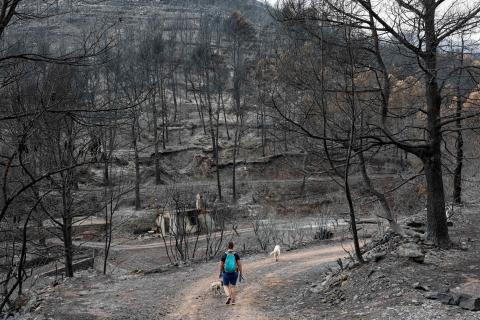
So far this year, up to 20 August, 262,000 hectares have been burnt in Spain, compared with the average of 105,600 hectares burnt between 2015 and 2024. Large-scale wildfires, exacerbated by climate change, are increasing both in frequency and in the area affected. But what happens in the forests after a fire? Can the woodland regenerate on its own? What criteria should be followed? We analyse, with the help of experts, how these ecosystems recover and what measures are taken to protect and restore them.

Among the migrants who have been in Ceuta for several weeks, there are confirmed or suspected cases of tuberculosis, chickenpox, scabies and gastroenteritis. Specialists in public health, epidemiology and infectious diseases explain to SMC España the basic recommendations that must be followed when providing care for this population.
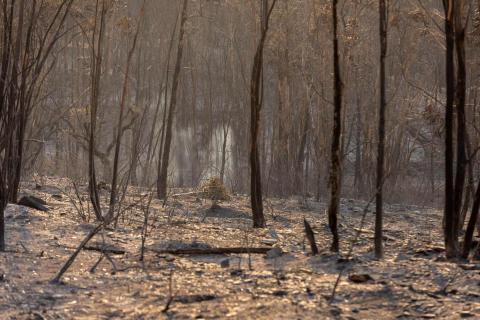
A study published in Science Advances has shown that areas affected by extreme wildfires – characterised by rapid spread and great difficulty in extinguishing them – have lower tree cover and reduced resilience compared to less intense fires, which may lead to long-term changes in vegetation. The team analysed 32.1 million hectares of coniferous forest in Canada and the western United States that were affected by fires between 2012 and 2023. Of this area, more than a third was burnt by extreme fires. In these cases, they observed that the faster the fire front advances, the greater the size and severity of the fire and the greater the distance from seed sources for the surviving trees, paving the way for long-term changes in vegetation.
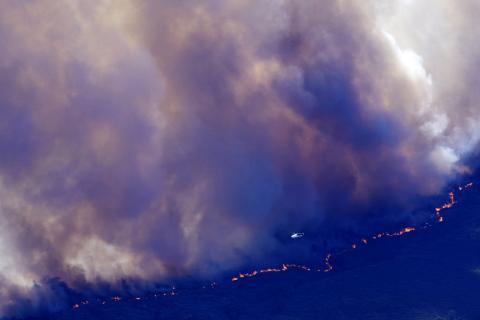
The fire in Ávila, which merged with the one in the south-western mountains of Madrid last Saturday and spread to the province of Toledo, remains unstabilised, although it is under control in some areas. Wind gusts of up to 30 km/h will complicate fire-fighting efforts on Monday, according to the Madrid 112 Safety and Emergency Agency. The fire in Ávila is now the largest in Spain’s recent history. Meanwhile, the fire that broke out on Saturday in La Vall d’Uixó (Castellón), which has spread into the Sierra de Espadán Natural Park, has not yet been stabilised either. In total, around 100,000 people have been evacuated or are under lockdown across all the fire fronts.
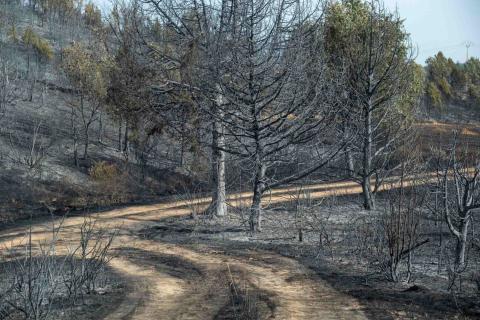
Data from the Copernicus European Forest Fire Information System (EFFIS) show that, as of 22 July, 119,458 hectares have been burnt in Spain. The average number of hectares burnt from 2006 to 2025 up to this date stands at 35,736 hectares. The fire in the Sierra Norte de Guadalajara, which has scorched more than 30,000 hectares and is still active, together with numerous fire fronts in other provinces and the fire in Los Gallardos (Almería), in which 13 people died, have caused the total area burnt to soar.
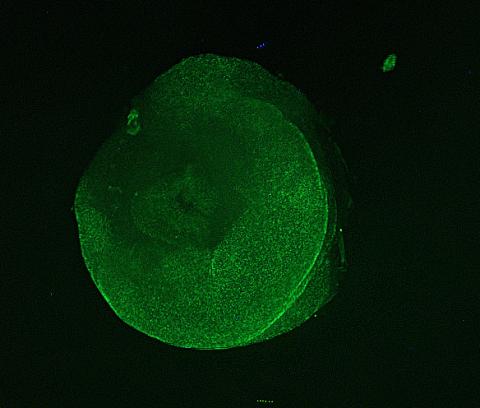
Sea cucumbers are known for their regenerative capacity and for exhibiting minimal cellular ageing. An article published in the journal Science Advances has documented the viability of amputated tissue from the species Psolus fabricii for over three years in natural seawater. Samples taken from three individuals of this species showed cellular diversification, immune activity, tissue reorganisation and the uptake of dissolved amino acids—properties that are unparalleled in the current scientific literature, according to the article. The authors also note that the finding may pave the way for a new experimental model, free from ethical concerns, for regenerative biology, biomedical research and tissue engineering.