
University of Oviedo
If you are the contact person for this centre and you wish to make any changes, please contact us.
Ramón y Cajal researcher in the Department of Biochemistry and Molecular Biology of the University of Oviedo.
Senior Lecturer in the Department of Zoology at the University of Oviedo
Researcher at the Mixed Institute for Biodiversity Research (IMIB), CSIC-University of Oviedo-Principality of Asturias
Assistant Professor in the Department of Philosophy at the University of Oviedo
Permanent lecturer in the Department of Philosophy, University of Oviedo
Tenured Scientist and Honorary Associate Professor at the Joint Research Institute for Biodiversity (University of Oviedo–CSIC–Principality of Asturias) and Swansea University (United Kingdom)
Full Professor at the University of Oviedo in the area of “Computer Languages and Systems”
Researcher in the Department of Biochemistry and Molecular Biology
Member of the Department of Neurology, Stroke Unit of the Central University Hospital of Asturias (HUCA) and Associate Professor of Health Sciences, University of Oviedo
Researcher at the Joint Institute for Biodiversity Research of the University of Oviedo
Full professor of Pathological Anatomy at the University of Oviedo, Scientific Director of the Principality of Asturias Biobank (BioPA) and Coordinator of the Organoid hub of the ISCIII Biomodels and Biobanks platform
Full professor in the Department of Physics at the University of Oviedo and member of the FPAUO High Energy Physics research group
Professor of Ecology at the University of Oviedo
Researcher in the area of Prehistory in the Department of History at the University of Oviedo
Professor at the Faculty of Medicine of the University of Oviedo, chair of the Health and Safety Committee at the same university, where he is responsible for REUPS and One Health, and former president of the Spanish Society of Sports Medicine
Researcher at the Mixed Institute for Biodiversity Research (IMIB), CSIC-University of Oviedo-Principality of Asturias
Researcher at the Biodiversity Research Institute (CSIC-University of Oviedo-Principality of Asturias)
Professor in the Department of Organism and Systems Biology in the field of Agroforestry Engineering at the University of Oviedo.
Epidemiologist and Director of the Emergency and Disaster Research Unit at the University of Oviedo
Doctor of Medicine, Full Professor of Emergency Medicine at the University of Oviedo, emergency physician (SAMU-Asturias), researcher at the Asturias Health Research Institute, coordinator of the Pre-hospital Care and Disaster Research Group, and director of the Pre-hospital Care Research Network and advisor to WHO technical working groups related to emergencies and disasters
Doctor of Psychometrics, Professor of Research Methodology
Senior Lecturer in the Department of Psychology at the University of Oviedo and Principal Investigator of the CIPRES group (Science and Public Engagement in Prevention and Mental Health)
Vice-President of the Planetary Geology Commission of the Geological Society of Spain, Secretary of the Iberian Hub Europlanet, Coordinator of the MapPlaneST research group, and Lecturer in the Department of Geology at the University of Oviedo
Researcher in the Department of Biochemistry and Molecular Biology at the University of Oviedo

Results from a cohort study of more than 100,000 people reveal the strong and persistent association of headache diagnoses with attempted and completed suicide. The authors suggest that behavioural health assessment and treatment may be important for these patients. The paper is published today in the journal JAMA Neurology.

Patients receiving organ transplants often need to be treated with long-term immunosuppressants to reduce the likelihood of rejection, which has numerous side effects. An international team has shown in crab macaque monkeys that, in the case of heart transplantation, the use of these drugs could be avoided if combined with a kidney transplant from the same donor. The results are published in the journal Science Translational Medicine.
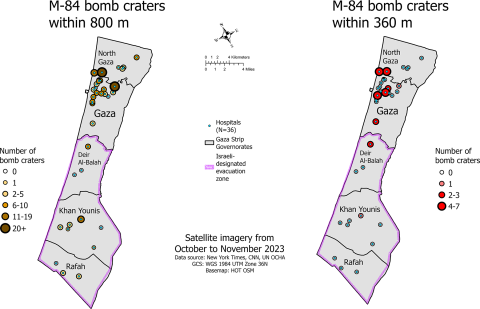
A study has used geospatial data and satellite imagery to analyze the number of MK 84 bombs dropped by the Israeli army in the Gaza Strip between October 7 and November 17, 2023 that detonated near hospital infrastructure. Of the 36 existing hospitals, 30 of them had suffered at least one explosion within 800 meters. According to the authors of the paper, which is published in PLOS Global Public Health, the research “reveals concerns about indiscriminate shelling near hospital infrastructure, which enjoys special protection under international humanitarian law.”
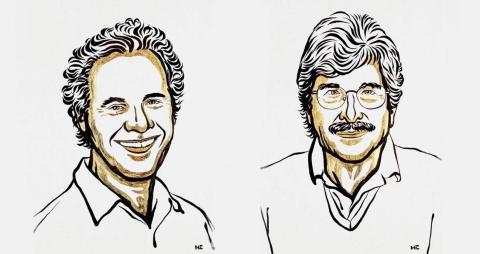
The Karolinska Institute has awarded the Nobel Prize in Medicine or Physiology to Victor Ambros and Gary Ruvkun for the discovery of microRNAs, small RNA fragments that do not contain instructions for making proteins but instead participate in the regulation of gene expression. Their role is fundamental in processes such as cell differentiation, and their alteration can influence diseases like cancer.

The frequency and magnitude of extreme wildfires appear to have doubled in the last 20 years. Moreover, the six most extreme years for these events have occurred since 2017, according to a paper published in Nature Ecology & Evolution in which the authors used satellite data from 2003 to 2023.
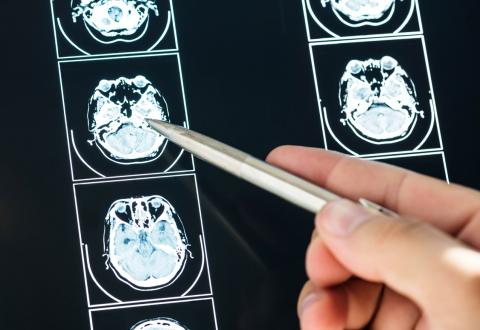
The Neurology Commission of the New World Stroke Organization and The Lancet has estimated that stroke deaths will increase from 6.6 million in 2020 to 9.7 million in 2050, with a widening gap between low- and middle-income and high-income countries. The economic analysis indicates that the treatment, rehabilitation and indirect costs of stroke would double from $891 billion in 2020 to as much as $2.3 trillion in 2050.
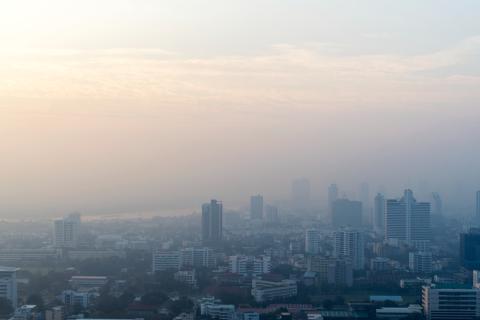
Chronic exposure to various air pollutants has been linked to an increased risk of stroke, but the short-term effects have been less well studied. A review of 110 papers and more than 18 million stroke cases shows that recent exposure - in the five days prior to stroke - also increases the likelihood of stroke. The results are published in the journal Neurology.
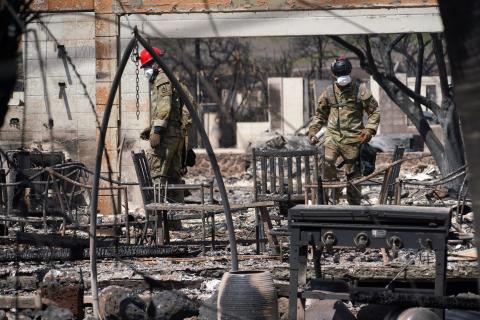
The fires in Hawaii, which have left at least a hundred dead and hundreds missing, have devastated entire towns and villages and have put the issue of how to prevent such intense fires back on the table. World Wildfire Prevention Day is celebrated this Friday 18 August. The increase in the occurrence and recurrence of large wildfires jeopardizes the resilience of socio-ecological systems. Efforts in prevention must be a priority and constant throughout the year. We have a joint responsibility as a society to face this unprecedented problem, which will worsen in the coming years.

The International Athletics Federation has decided to ban transgender athletes who have transitioned after puberty from participating in international women's competitions. Although there are currently no trans athletes competing on the international circuit, the Federation "decided to prioritise the fairness and integrity of women's competition before inclusion", according to the statement issued. At a press conference, its president, Sebastian Coe, said: "We will be guided by the science that will inevitably develop in the coming years around physical performance and male advantage. As more evidence becomes available, we will review our position.
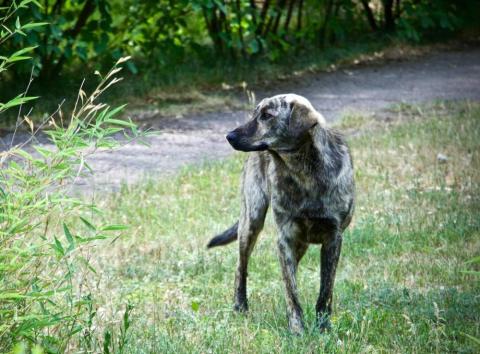
A study has analyzed the genetics of 302 dogs living in areas close to the Chernobyl nuclear power plant. According to the study, they show genetic differences according to the distance they live from the plant, which distinguish them from other dog populations. The results are published in the journal Science Advances.