Pedro Ignacio Arcos González

Pedro Ignacio Arcos González

Pedro Ignacio Arcos González
Position

Doctor of Medicine and Doctor of Public Health, specialist in Preventive Medicine and Public Health, professor of Epidemiology and director of the Emergency and Disaster Research Unit at the University of Oviedo, and associate researcher at the University of Oxford (United Kingdom)

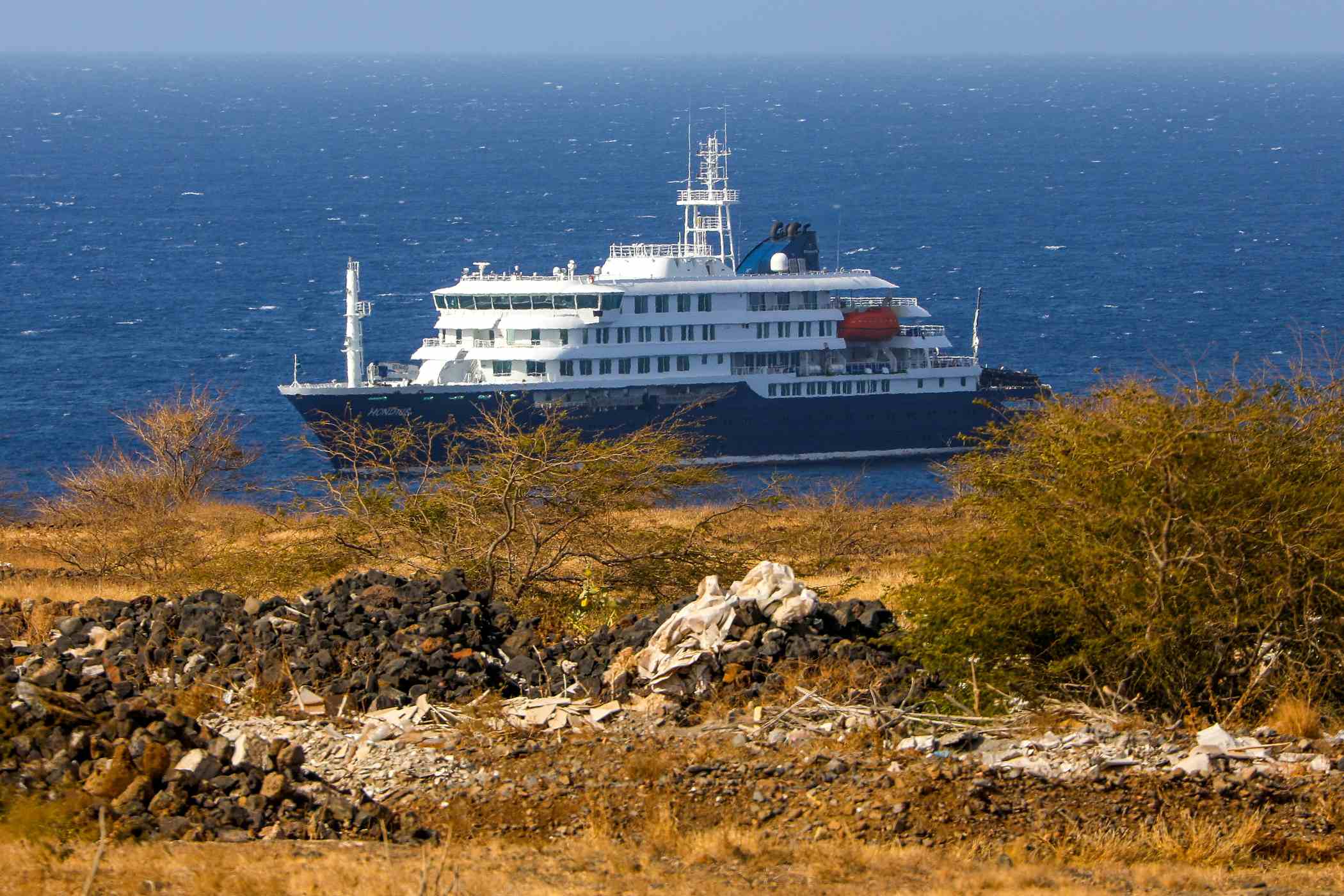
The cruise ship affected by hantavirus has arrived in Tenerife, where it will anchor to facilitate the repatriation of the passengers and part of the crew

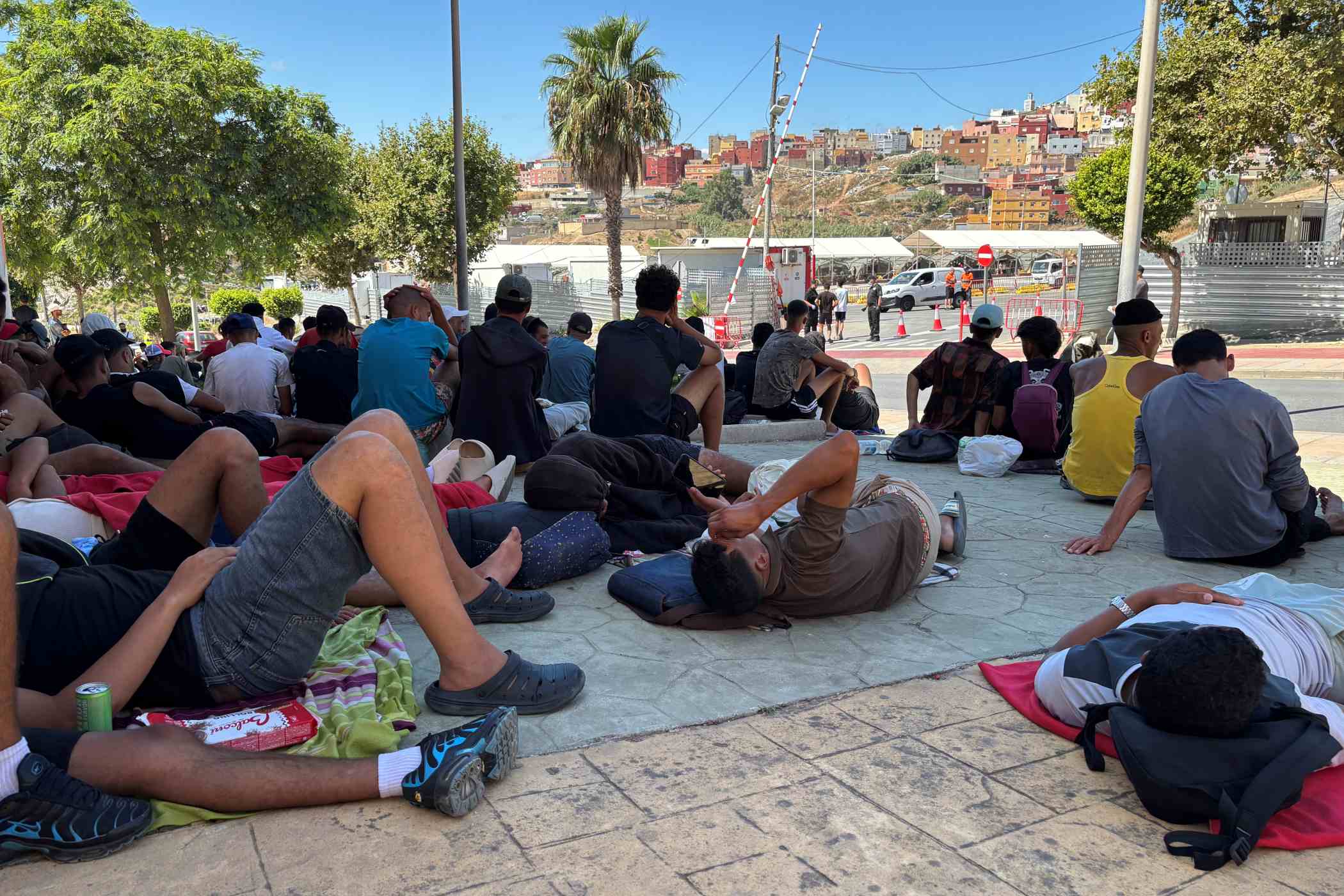
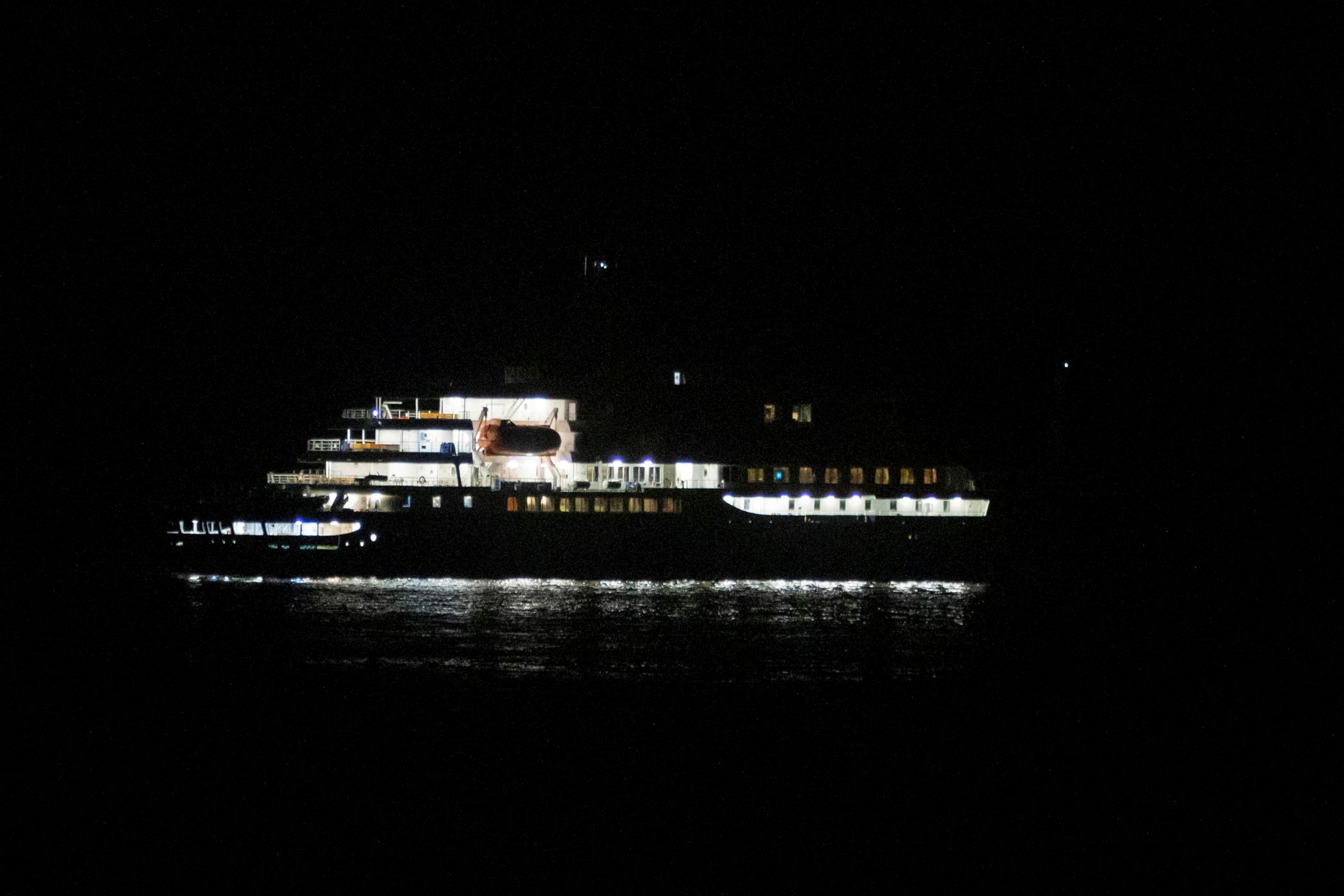
Amid an unprecedented international security and coordination operation, the MV Hondius has arrived at the port of Granadilla, in Tenerife, where epidemiologists and members of the Foreign Health Service will examine the passengers and crew, who have not shown any symptoms of hantavirus so far. Once assessed, they will leave the ship, which is moored in a dock, in small boats to the port, grouped by nationality – they come from 23 different countries. From there, they will board military vehicles to reach Tenerife South Airport, from where they will be repatriated on various flights. The 14 Spaniards and a member of the WHO from Africa are bound for Gómez Ulla Hospital (Madrid) to undergo quarantine. Once the process is complete, the cruise ship will refuel and sail to the Netherlands with part of the crew on board and the body of one of the three fatalities.
 

0

Spain will receive the cruise ship with an outbreak of hantavirus to the Canary Islands, following a request from the WHO and the EU

The Ministry of Health has announced that Spain will receive the MV Hondius in the Canary Islands “in accordance with international law and the spirit of humanitarianism”. The government is thus responding to a request from the World Health Organisation (WHO) and the European Union for the cruise ship, which is travelling from Argentina and has an outbreak of hantavirus on board, to dock in the Canary Islands, in the port of Granadilla, Tenerife. The European Centre for Disease Prevention and Control has assessed which passengers should be evacuated from the ship to Cape Verde, where it is currently located, and which will continue on to the Canary Islands. Once there, they will be examined and transferred to their home countries in accordance with safety protocols. The cruise ship is expected to arrive in the archipelago in three or four days.

0

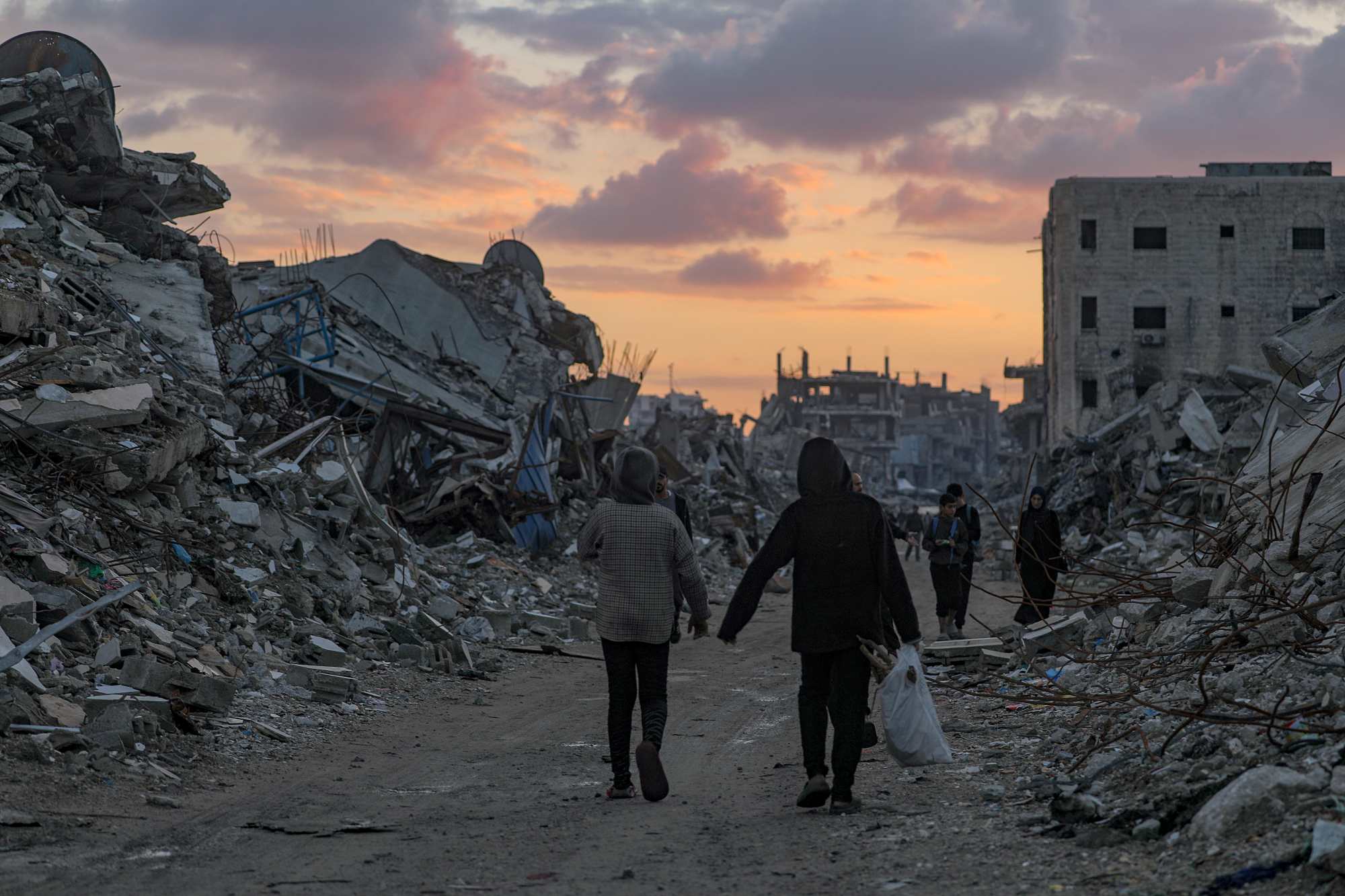
A report analyses the impact of the Israeli invasion of Gaza on education and warns of the risk of a ‘lost’ generation

An international report led by the University of Cambridge (United Kingdom) warns that there is a serious risk of a ‘lost’ generation emerging in Gaza, due to the combination of educational, physical and psychological impacts after more than two years of the Israeli invasion. As of 1 October 2025, the UN Office for the Coordination of Humanitarian Affairs (OCHA) reported the deaths of 18,069 students and 780 education personnel in Gaza, with 26,391 students and 3,211 teachers injured. The study estimates that children in Gaza will have lost the equivalent of five years of education due to repeated school closures since 2020, first due to COVID-19 and then due to the Israeli invasion.

0

High psychological distress in Gaza has tripled since the start of the genocide among those over 40 years of age

A new article published in eClinicalMedicine measures mental health problems in the Gaza Strip among the population over 40 years of age before and after the genocide committed by Israel. The study indicates that the proportion of these adults experiencing high levels of distress has tripled in the last five years, with a peak following the escalation of the massacre since October 2023. It was already known that chronic stress factors affecting victims pose a serious threat to mental health, but no longitudinal study had yet been conducted comparing distress in the same individuals before and after the genocide.  

0

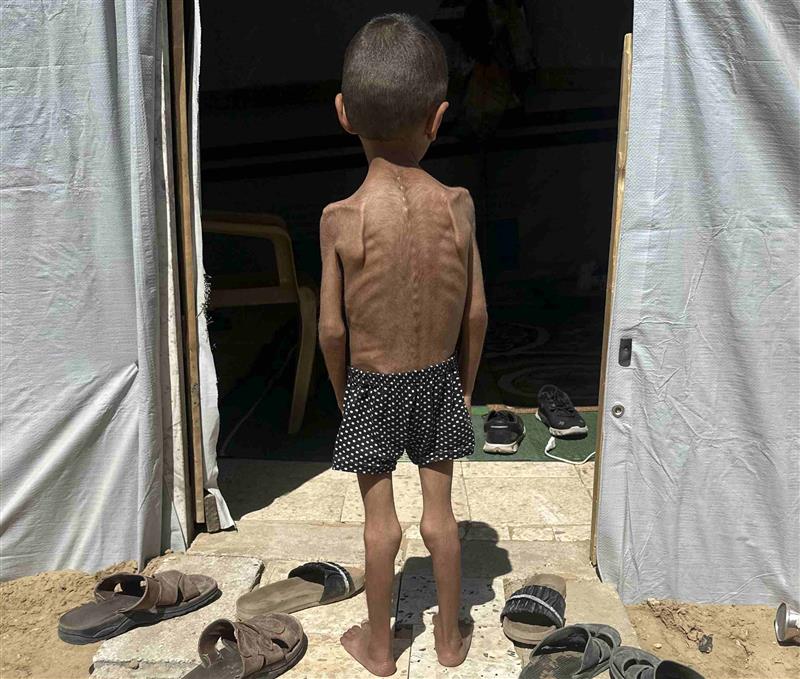
Peaks in child malnutrition in Gaza coincide with periods of aid blockades by Israel

More than 54,600 children under the age of five in Gaza are in need of medical care for acute malnutrition, according to estimates from a study published in The Lancet, which shows that the prevalence of malnutrition decreases during a ceasefire and increases during Israeli blockades of access to food, water, or medicine. For example, after four months of severe aid restrictions—between September 2024 and January 2025—malnutrition increased from 8.8% to 14.3%, with a higher incidence in Rafah and among children between 24 and 59 months of age. The study, conducted by UNRWA, is based on data from more than 219,000 children between the ages of six and 59 months from various locations in the Gaza Strip, collected between January 2024 and August 2025.

0

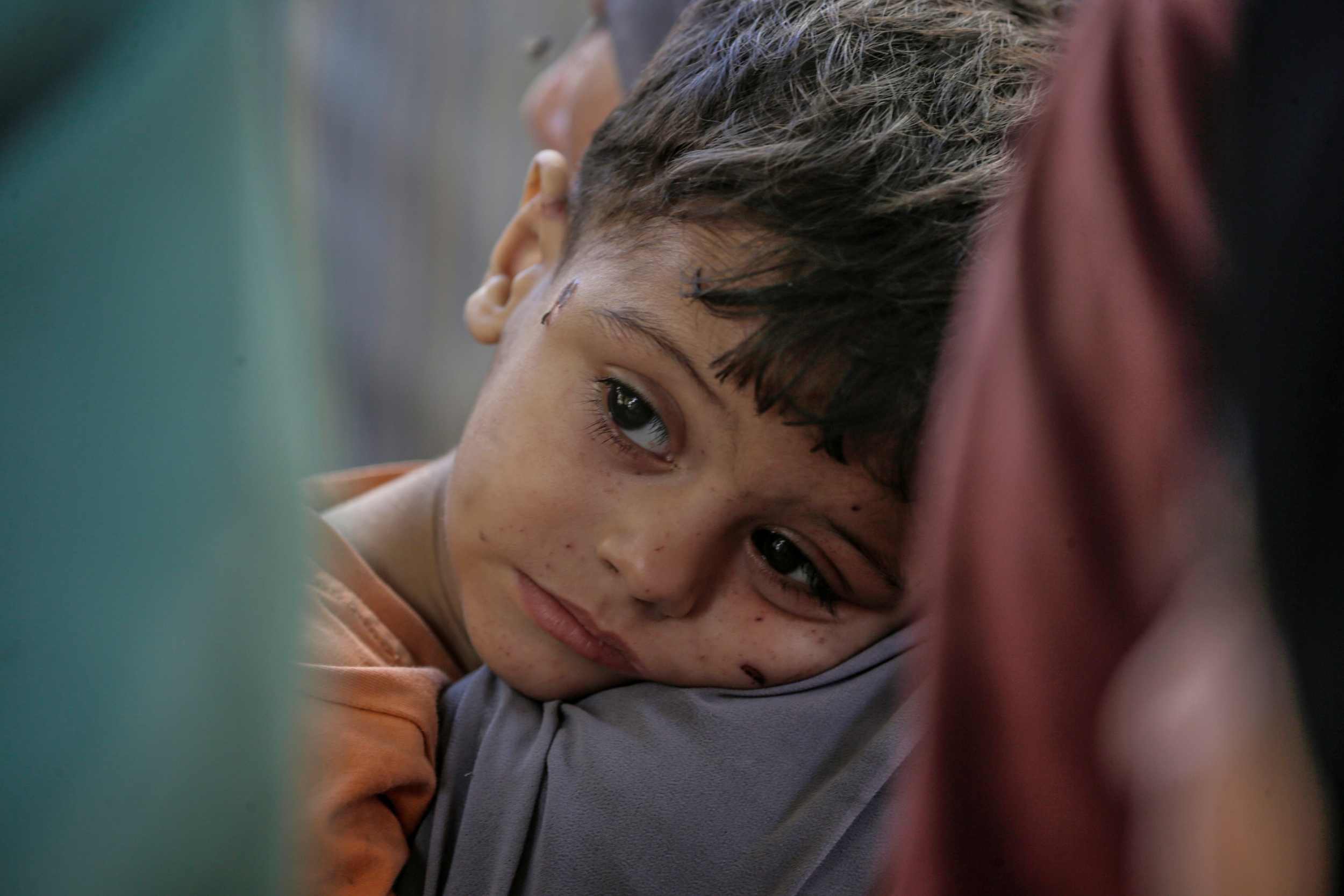
Frontline medical workers detail the severity of injuries among the population of Gaza caused by the Israeli invasion

Through surveys of 78 healthcare workers in Gaza between August 2024 and February 2025, an international team has documented patterns of injuries among the civilian population during Israel's ongoing invasion. The most common traumatic injuries were burns, followed by injuries to the lower and upper limbs. Explosion damage accounted for most of the weapon-related trauma, which particularly affected the head, while gunshot wounds were mainly located in the lower limbs. The study is published in The BMJ.

0

A study analyzes the proximity of bombs detonated by the Israeli army to hospitals in the Gaza Strip

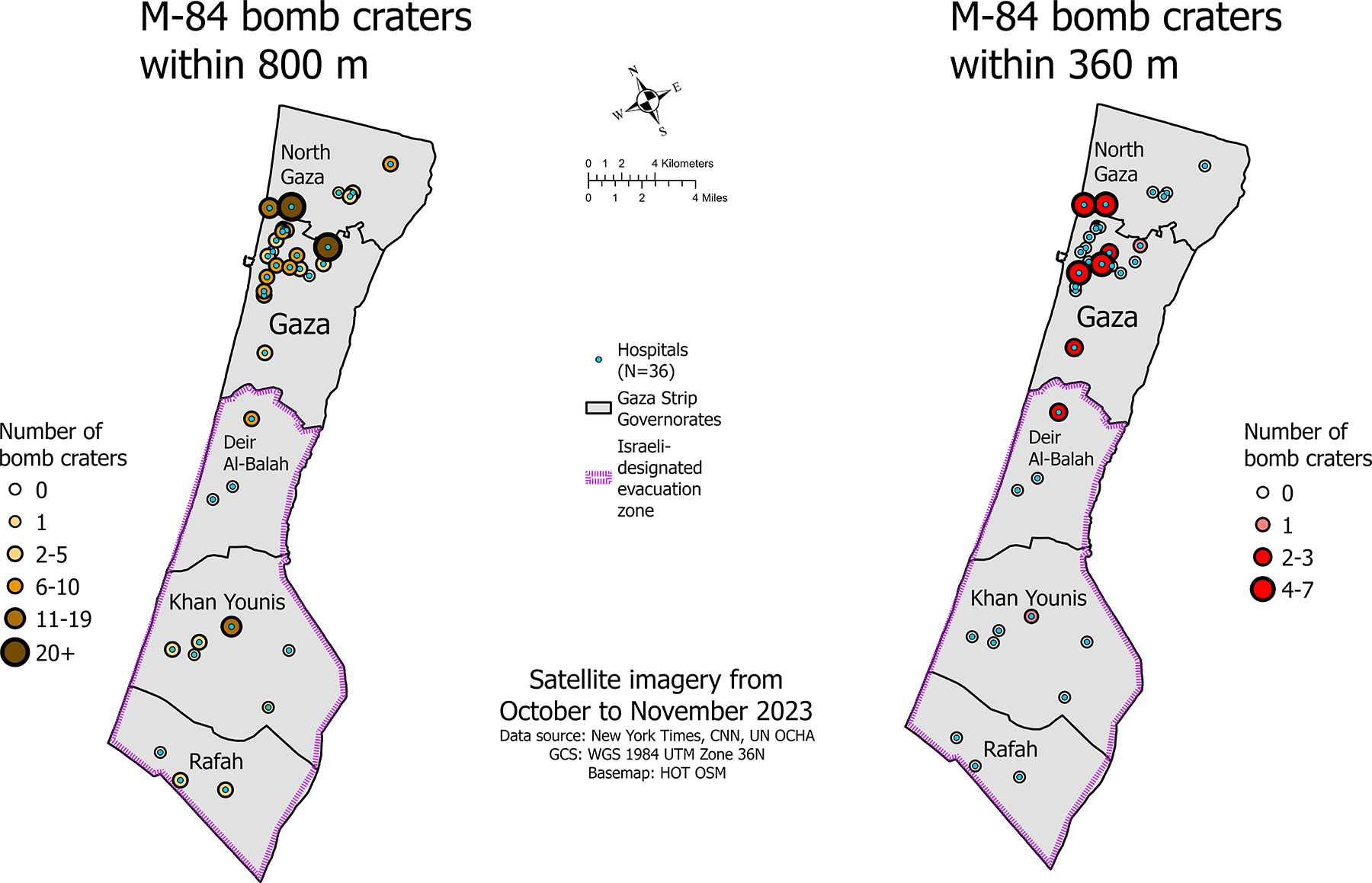
A study has used geospatial data and satellite imagery to analyze the number of MK 84 bombs dropped by the Israeli army in the Gaza Strip between October 7 and November 17, 2023 that detonated near hospital infrastructure. Of the 36 existing hospitals, 30 of them had suffered at least one explosion within 800 meters. According to the authors of the paper, which is published in PLOS Global Public Health, the research “reveals concerns about indiscriminate shelling near hospital infrastructure, which enjoys special protection under international humanitarian law.”

0