botany

botany

botany

European mountain peaks are seeing an increase in plant species due to rising temperatures, but this is leading to a rise in local extinctions
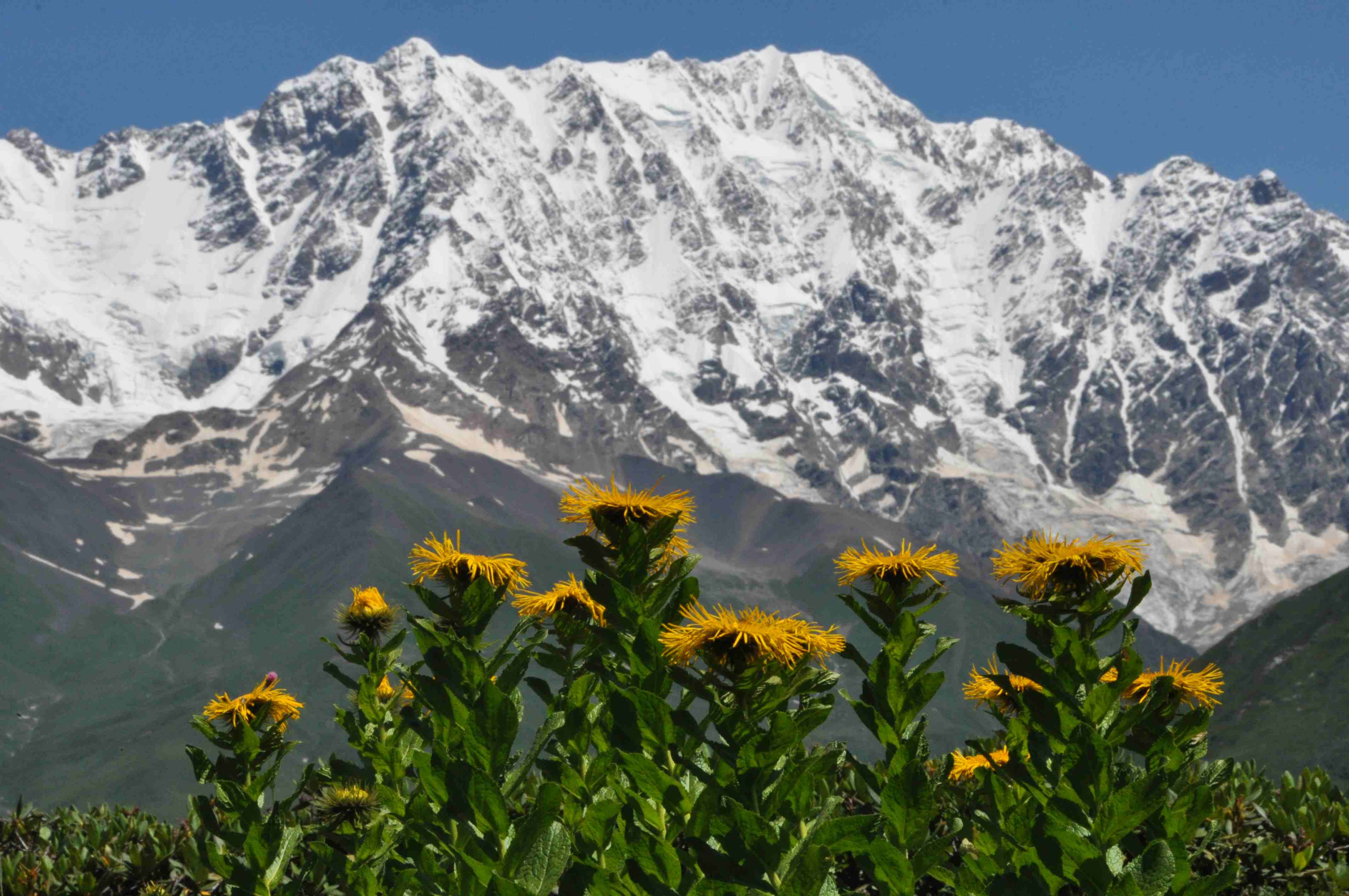
The peaks of European mountains such as the Pyrenees or the Sierra Nevada may be gaining plant species as the climate warms, but this apparent increase in biodiversity is masking a growing wave of local extinctions. These are the main conclusions of a study published in the journal Science, which includes Spanish participation and analyses nearly a thousand vegetation plots spread across 62 European mountain peaks. The reason is that higher-altitude mountain regions have gained plant species in recent decades as plants from lower altitudes have expanded up the slopes, but this may mask the decline or disappearance of specialised, high-altitude resident species.

0
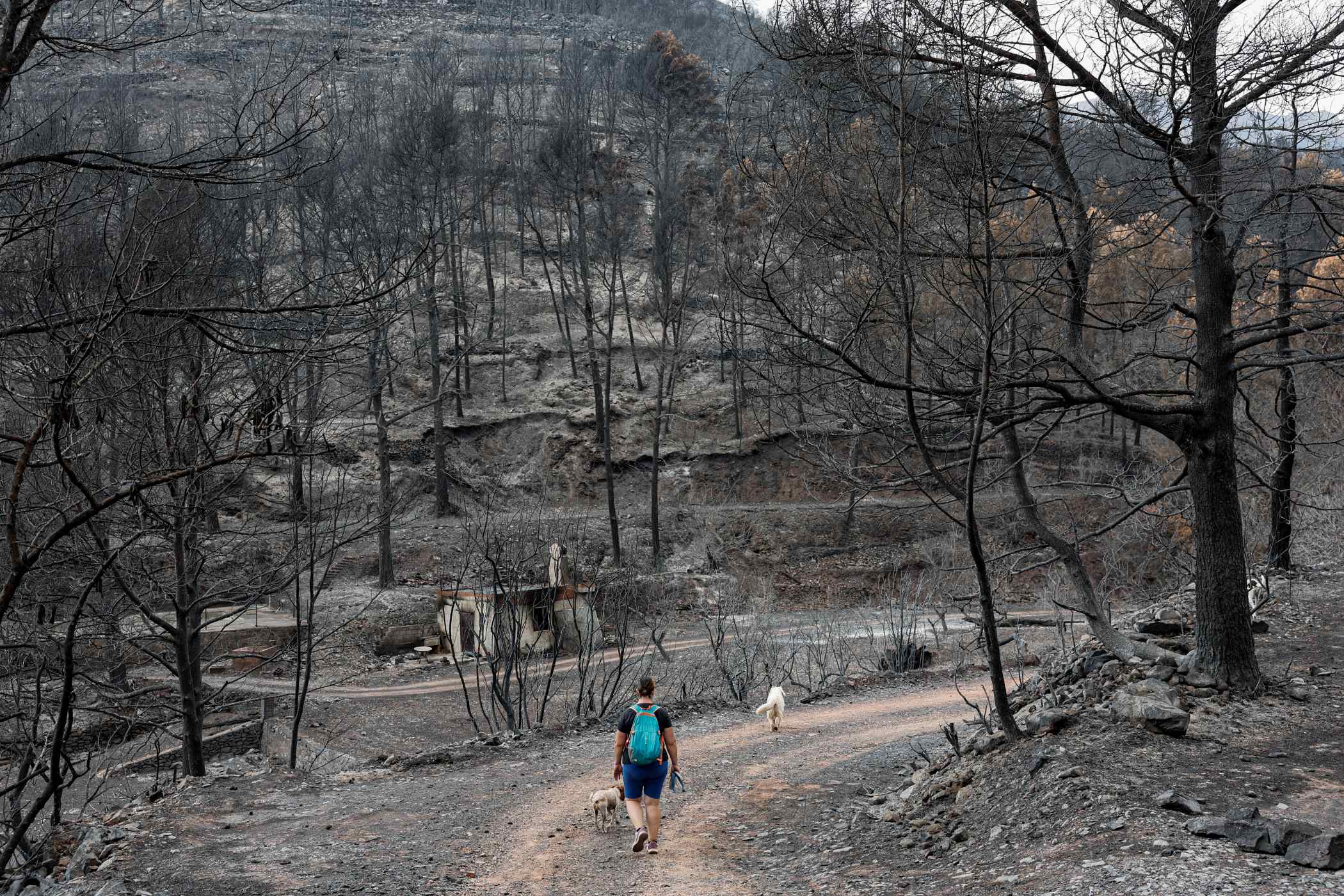
What happens after the flames: the recovery of the countryside following a wildfire

So far this year, up to 20 August, 262,000 hectares have been burnt in Spain, compared with the average of 105,600 hectares burnt between 2015 and 2024. Large-scale wildfires, exacerbated by climate change, are increasing both in frequency and in the area affected. But what happens in the forests after a fire? Can the woodland regenerate on its own? What criteria should be followed? We analyse, with the help of experts, how these ecosystems recover and what measures are taken to protect and restore them.

0

Red tides, algal blooms and invasive species: a challenge for Spain’s coastlines

Every summer, algal blooms are common, from the Cantabrian Sea to the Mediterranean. Most play essential roles in aquatic ecosystems and have a high capacity to absorb CO₂. However, some can also cause problems, as is the case with the invasive alga Rugulopteryx okamurae, which has been spreading along the Spanish coastline for a decade.


0

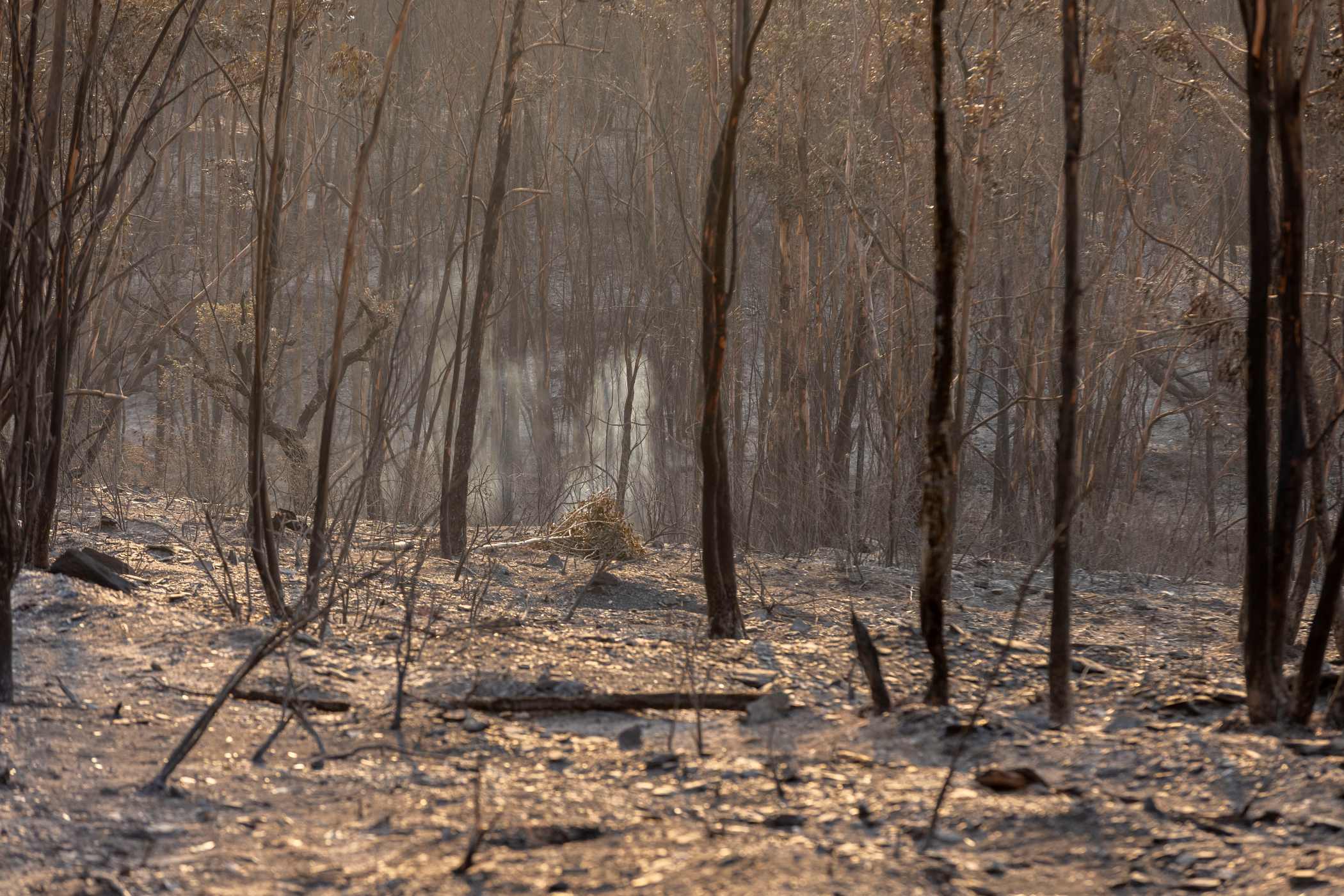
The rapid spread of extreme fires can lead to long-term changes in vegetation

A study published in Science Advances has shown that areas affected by extreme wildfires – characterised by rapid spread and great difficulty in extinguishing them – have lower tree cover and reduced resilience compared to less intense fires, which may lead to long-term changes in vegetation. The team analysed 32.1 million hectares of coniferous forest in Canada and the western United States that were affected by fires between 2012 and 2023. Of this area, more than a third was burnt by extreme fires. In these cases, they observed that the faster the fire front advances, the greater the size and severity of the fire and the greater the distance from seed sources for the surviving trees, paving the way for long-term changes in vegetation.


0