organoids

organoids

organoids

Human brain organoids form neuronal networks in mice
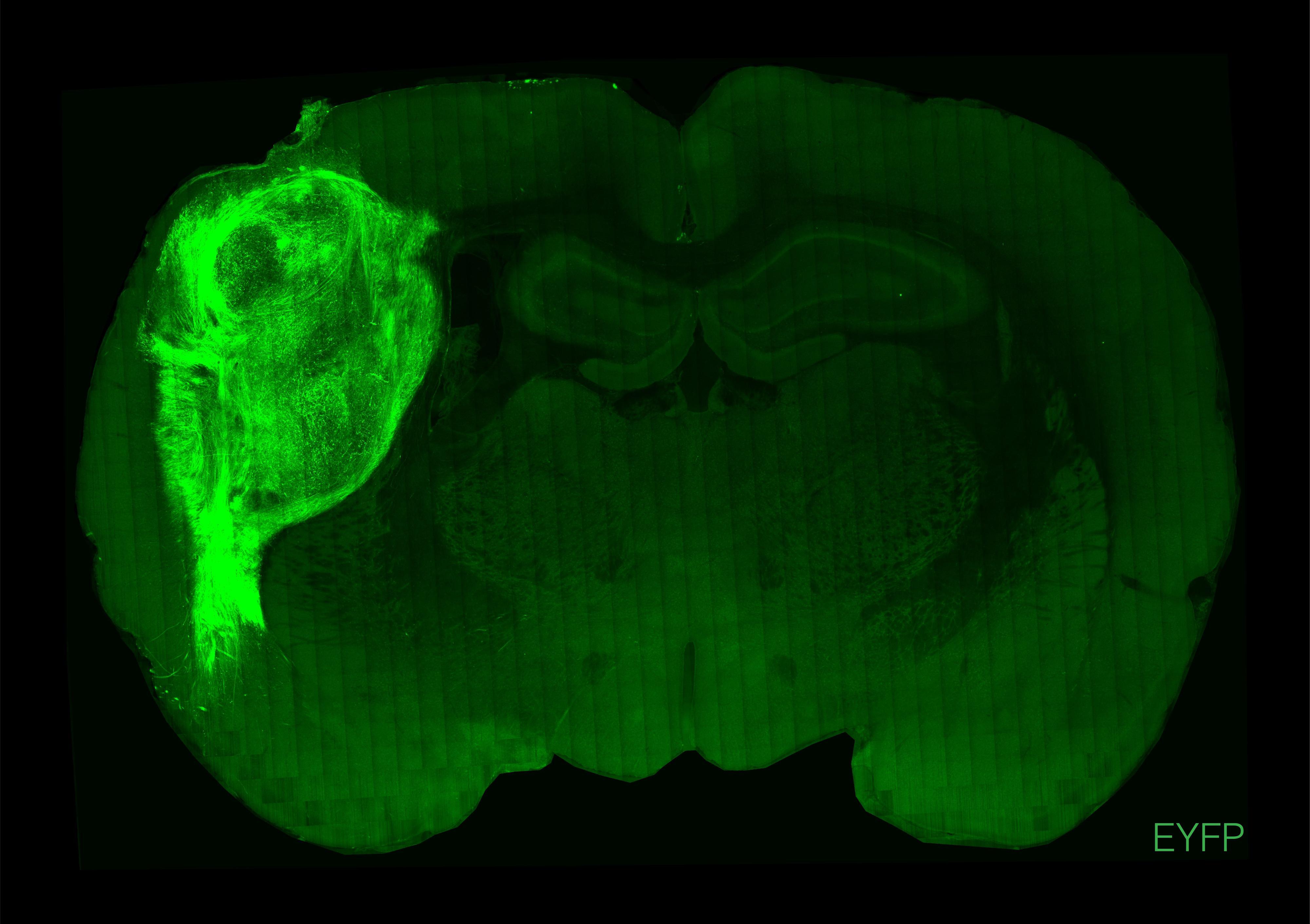
A US-based team with Spanish participation has successfully transplanted cortical organoids—self-organizing fragments of lab-grown human brain tissue—into modified mice lacking most of their cerebral cortex, the brain layer responsible for functions ranging from cognition and language to attention and decision-making. The research, published in the journal Nature, shows that the human tissue survived, grew, and developed functional connections with the mice's brains and, extending beyond that, with the spinal cord. According to the authors, this could help generate new models for studying disease-related alterations in human brain circuits.

0
Reactions to the development of brain organoids from human fetal brain tissue

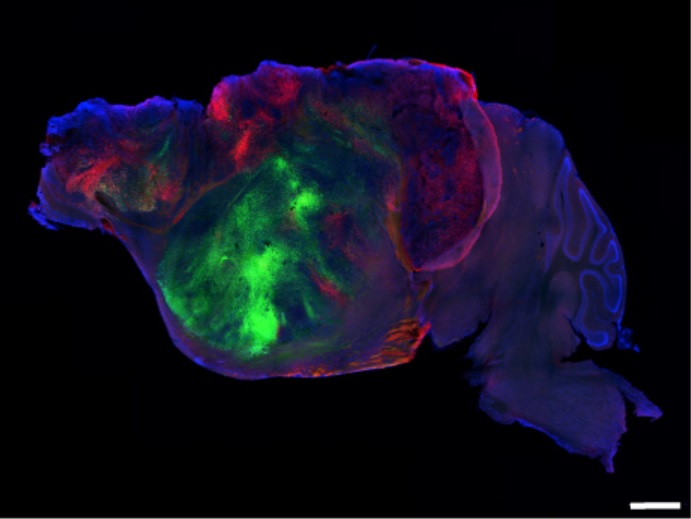
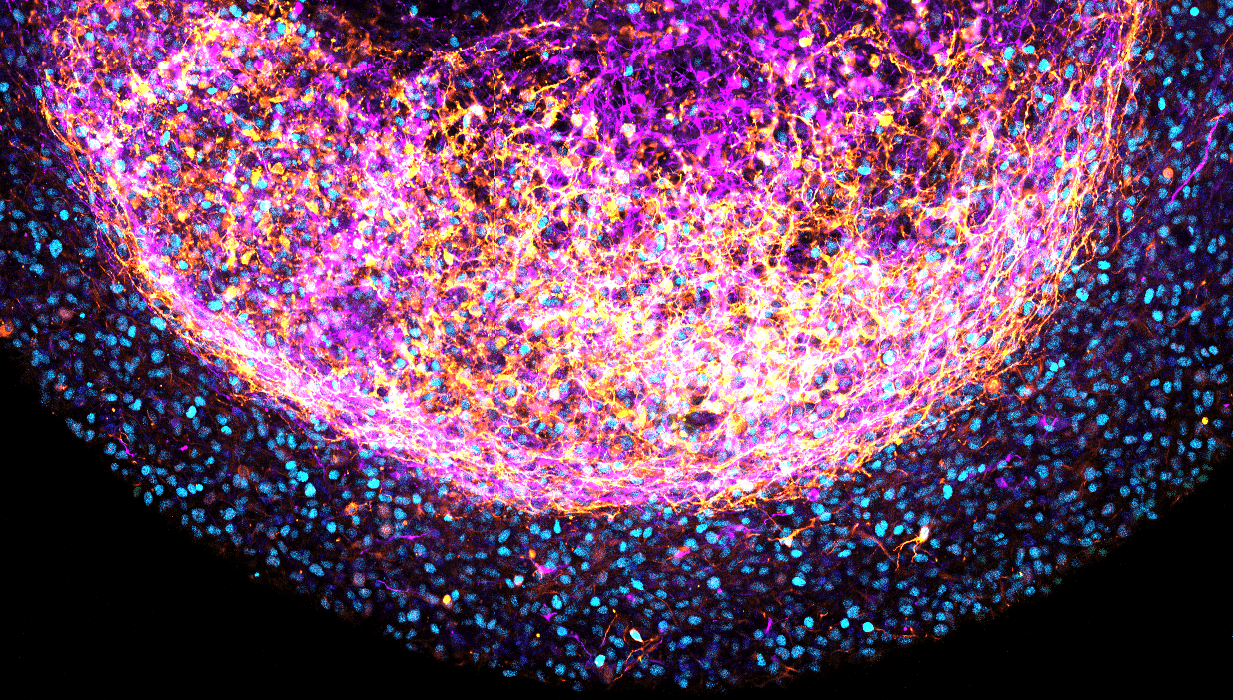
A team led by the Princess Máxima Pediatric Oncology Center and the Hubrecht Institute (The Netherlands) has generated small 3D brain models--known as organoids--from human fetal brain tissue. Until now, these brain organoids-which attempt to resemble real organs on a miniature scale-were grown in the laboratory using pluripotent or embryonic stem cells. The new technique, published in the journal Cell, allows regions of brain tissue to self-organize into three-dimensional brain structures. The authors used these organoids and the CRISPR-Cas9 tool to simulate the development of one type of brain tumor, glioblastoma, and see how it responded to different drugs.

0