Babies’ brains are most vulnerable to toxic metals between six and nine months of age, according to a study of milk teeth
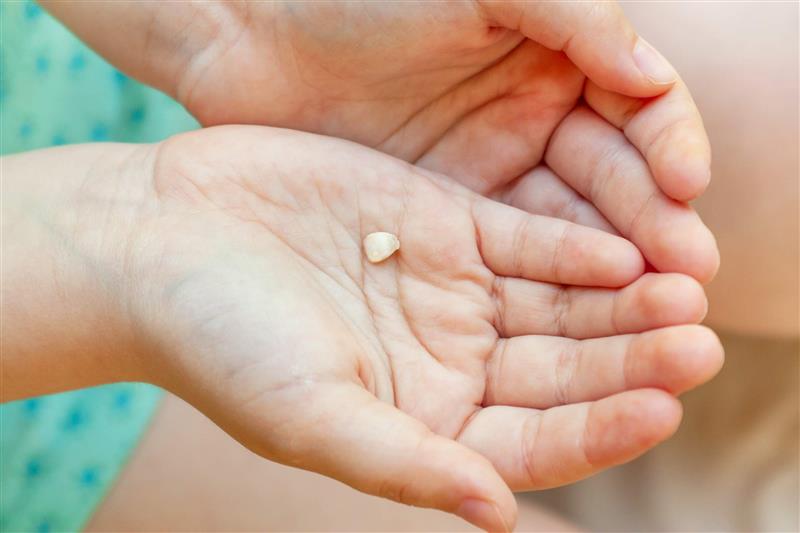
Exposure to neurotoxic metals poses the greatest risk to children’s brain development between the ages of six and nine months, according to an analysis of baby teeth from 489 children in Mexico. The study, published in Science Advances, identifies this window as a critical developmental stage during which exposure to these metals is linked to increased behavioural problems in childhood and smaller brain volume. The study includes boys and girls aged between 8 and 14 years old and uses their milk teeth as biomarkers to reconstruct concentrations of lead, zinc, copper, manganese, magnesium, lithium, strontium, barium and tin, from 20 weeks before birth to 40 weeks after.
260424 dientes metales motas EN
Miguel Motas
Full professor of Toxicology in the Department of Social and Health Sciences at the University of Murcia
This is a well-conducted and reliable study. It analyses nearly 500 children and uses a highly innovative method: analysing baby teeth, which makes it possible to reconstruct which metals the children were exposed to on a week-by-week basis, both before and after birth. Furthermore, it combines this data with behavioural questionnaires and brain MRI scans, which is unusual and highly valuable.
The study's major finding is that not only the amount of metal absorbed matters, but also the stage of life at which exposure occurs. The study shows that there are very specific stages—particularly between six and nine months of age—during which the infant brain is particularly vulnerable. This had not previously been observed with such precision.
Children who had greater early exposure to mixtures of metals showed:
- More behavioural problems in childhood.
- Slightly smaller brains.
- Poorer communication between different areas of the brain.
- Abnormalities in the white matter, which is key to the speed and efficiency of thought.
An important finding is that the metal most responsible for these effects is manganese, even more so than lead. And manganese is particularly relevant because it is also an essential nutrient, which supports the toxicological principle that ‘the dose makes the poison’.
Like all observational studies, it cannot demonstrate absolute cause and effect, as the children studied come from a specific socio-economic background in Mexico, which limits the generalisation of risk levels. Even so, the biological mechanisms it describes are universal.
The results do not allow us to state that children in other countries will be affected in the same way or to the same extent, but the mechanisms can be extrapolated: the infant brain is highly sensitive to certain metals at key moments of development, regardless of the country.
This study reinforces a key idea in modern toxicology: early childhood is a critical window of maximum vulnerability. It suggests that prevention policies should focus particularly on:
- Monitoring metals in water and infant food.
- Domestic and environmental exposure in babies and infants.
- Not assuming that ‘essential’ metals are always safe.
Early exposure to metals, even at doses that may seem ‘normal’, can have lasting effects on the brain if it occurs at the wrong stage of development.
Elza Rechtman et al.
- Research article
- Peer reviewed
- Observational study
- People