toxicology

toxicology

toxicology

Bananas from the area around the eruption on La Palma are safe and nutritious

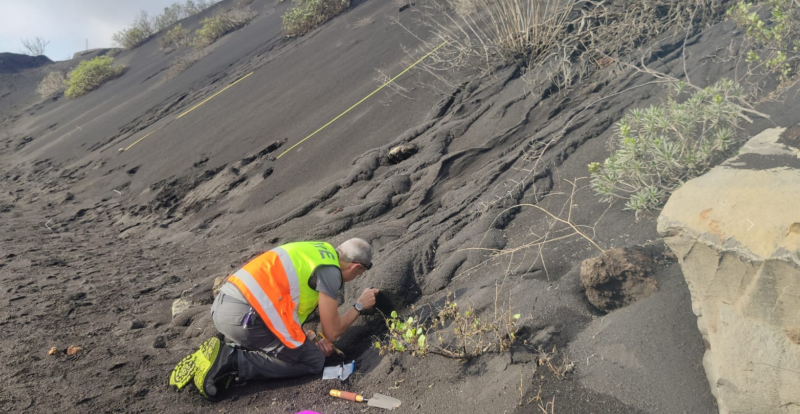
In 2021, the eruption of the Tajogaite volcano on the Canary Island of La Palma caused the loss of 53,000 tonnes of bananas, equivalent to 50% of its production, which is essential to the local economy. Given the potential risk of contamination from ash and magma, a team of researchers from Spanish centres analysed the composition of bananas in the area of the eruption. The study, conducted using mass spectrometry and published in PLOS One, confirms that they are safe and healthy to eat. For most potentially toxic elements, the estimated maximum intake remained below 1% of the tolerable daily intake (TDI) and in no case exceeded 3% of the TDI.

0

The level of mercury in rivers has more than doubled since the Industrial Revolution

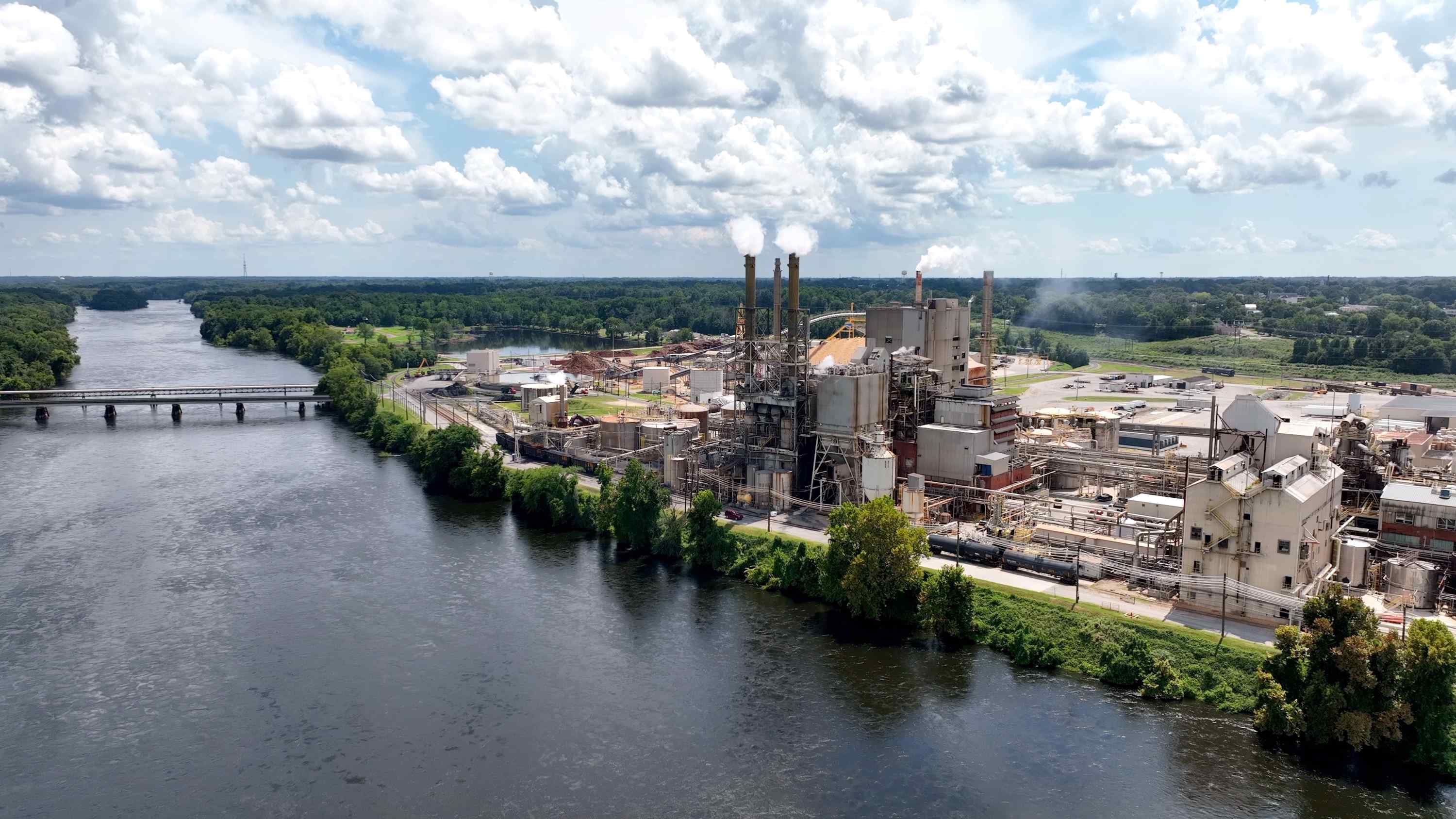
A model has analysed mercury concentrations in rivers around the world from 1850 to the present day. The results, published in Science Advances, conclude that levels have doubled and even tripled since the Industrial Revolution: before 1850, rivers carried approximately 390 metric tonnes of mercury to the oceans each year, and today that figure has risen to around 1,000 metric tonnes. According to the authors, these results have implications for human health and wildlife, as mercury compounds are neurotoxic, can accumulate in fish and pose a health risk through consumption.

0

Blood lead levels, even below the permitted limit, are associated with poorer school performance in children

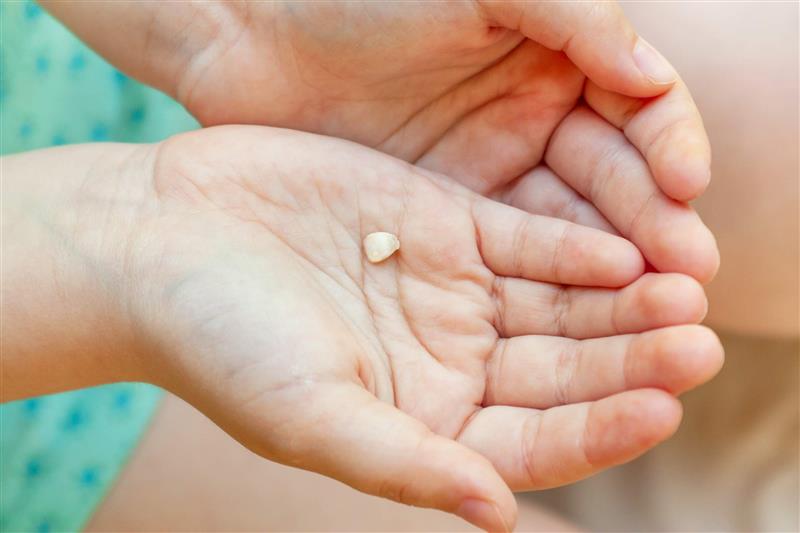
Lead exposure in children can affect their neurodevelopment. In the United States, the maximum blood concentration limit for this metal was lowered to 3.5 μg/dL (micrograms per decilitre) in 2021, down from 10 μg/dL in 2012. Now, a study has analysed data from more than 300,000 children in Iowa and found an association between higher concentrations and poorer school performance in reading and maths, even below the 3.5 μg/dL limit, prompting the researchers to reconsider this figure. The results are published in the journal JAMA Network Open.

0

15% of the world's crops could be contaminated by heavy metals

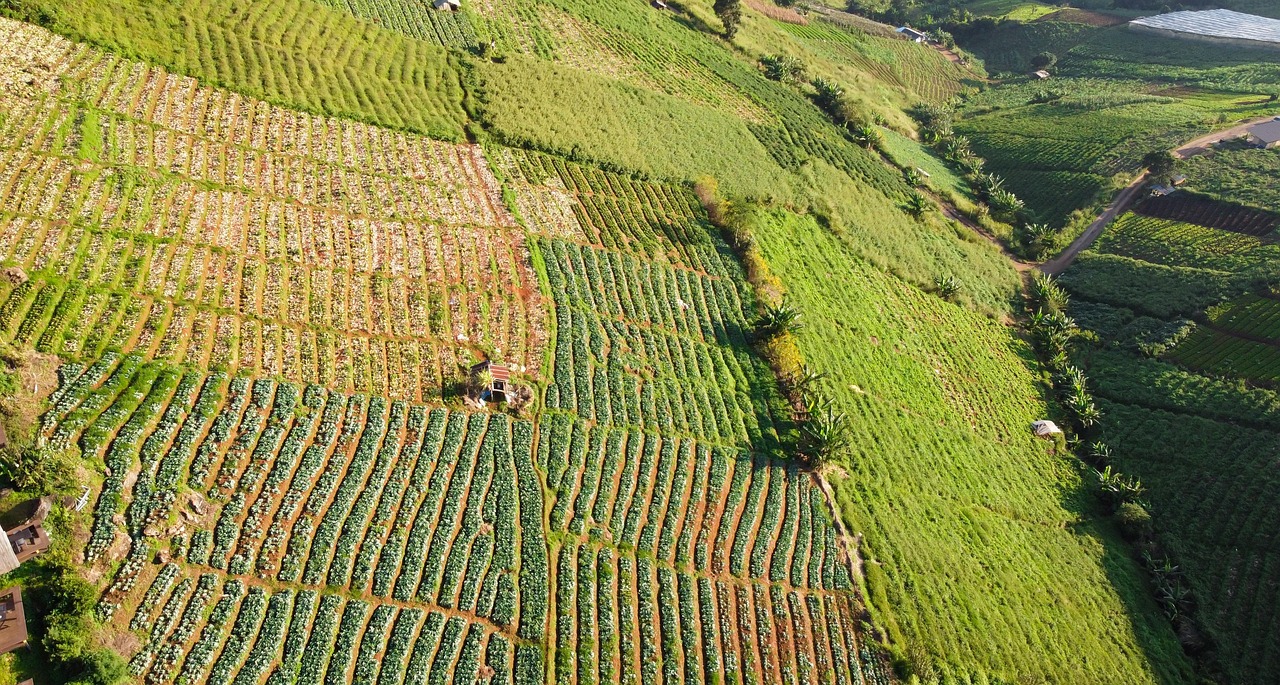
Up to 1.4 billion people may be living in areas with soil contaminated by heavy metals such as arsenic, cadmium, cobalt, chromium, copper, nickel and lead, according to research published in Science. The paper, which used data from more than 1,000 studies, estimates that 14-17% of farmland worldwide could be contaminated by at least one toxic metal. Cadmium is the most widespread, especially in South and East Asia, parts of the Middle East and Africa.

0

Exposure to environmental toxicants linked to depressive symptoms

Research published in JAMA Network Open suggests that exposure to common environmental toxicants is associated with depressive symptoms. The authors analysed data from urine or blood samples from more than 3,400 US adults and found that 27 environmental toxicants were associated with these symptoms, which could be linked to inflammatory processes.


0

Reactions: study links heavy metals to ovarian ageing

Heavy metals - including arsenic, cadmium and mercury - may adversely affect the ovaries of women approaching menopause, a study claims. Those with high levels of metals in their urine had lower levels of anti-Müllerian hormone, indicating diminished ovarian reserve - fewer oocytes in the ovaries compared to other women of that age. The authors, whose study is published in The Journal of Clinical Endocrinology & Metabolism, used urine data from more than 500 women in the US up to 10 years before their last menstrual period.

0