Tissues taken from sea cucumbers remain intact for three years in natural seawater
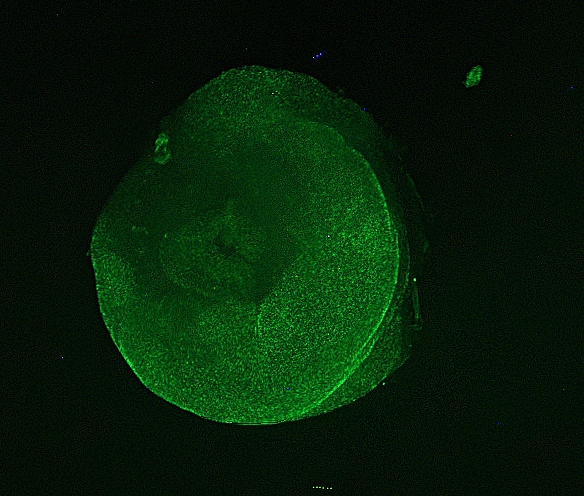
Sea cucumbers are known for their regenerative capacity and for exhibiting minimal cellular ageing. An article published in the journal Science Advances has documented the viability of amputated tissue from the species Psolus fabricii for over three years in natural seawater. Samples taken from three individuals of this species showed cellular diversification, immune activity, tissue reorganisation and the uptake of dissolved amino acids—properties that are unparalleled in the current scientific literature, according to the article. The authors also note that the finding may pave the way for a new experimental model, free from ethical concerns, for regenerative biology, biomedical research and tissue engineering.
Andrés Arias - pepino de mar EN
Andrés Arias
Senior Lecturer in the Department of Zoology at the University of Oviedo
The study published by Sara Jobson and colleagues in Science Advances is robust and well-designed: it combines long-term monitoring, cellular and histological analyses, and metabolic tests to demonstrate that certain tissues from the sea cucumber Psolus fabricii remain alive and functional for years outside the organism. This species of invertebrate belongs to the echinoderm group, alongside starfish, brittle stars, sea urchins and crinoids—animals known for their remarkable regenerative capacity and, in some species, their ability to reproduce asexually.
The main implication of this work is that it challenges the traditional notion that complex tissue cannot remain alive outside the organism without strict artificial conditions. The tissue fragments or explants retained their tissue organisation, immune activity and active metabolism throughout the study period, which differs from classic ‘immortal’ cell lines.
However, it is important to treat the term ‘immortality’ with caution, as here it refers to the observable absence of tissue deterioration during the study period, not to eternal life or immediate application in humans. The study demonstrates extraordinarily prolonged survival of certain tissues of this species under ‘natural’ conditions, but not absolute ‘immortality’. It is not yet known whether real cellular ageing occurs in the very long term, nor exactly what the molecular mechanisms responsible for this phenomenon are.
Its potential utility is particularly interesting, as the tissues of this species could become new experimental models for studying regeneration, ageing, toxicity, immunology and tissue engineering, and could revolutionise 21st-century biomedicine.
Sara Jobson et al.
- Research article
- Peer reviewed