gender-based violence

gender-based violence

gender-based violence

When words also protect: the role of the media in combating gender-based violence

The power of communication to represent violence against women has been on the table for scientific and social debate for more than two decades. However, after 25 years of manuals on how to address gender-based violence in journalism, inadequate coverage persists, still romanticising it or simplifying its approach as emotional violence.

1
Almost one in three women has experienced violence from a partner or sexual violence outside of a relationship, according to a WHO report

Around 840 million women worldwide — nearly one in three — have been victims of physical, psychological or sexual violence by their partner or have suffered sexual violence outside of their relationship, a figure that has barely changed since 2000. This is one of the conclusions of a report led by the World Health Organisation (WHO) that analyses data from 168 countries between 2000 and 2023. For the first time, the study includes estimates of sexual violence outside of intimate relationships: 263 million women have suffered this type of assault since the age of 15, a figure that, according to experts, is well below the actual number.

0

Two areas of the brain 'disconnect' in women with post-traumatic stress following sexual assault

In women suffering from post-traumatic stress disorder (PTSD) after experiencing sexual assault, the connectivity between two areas of the brain within the fronto-limbic system is altered, according to a study presented at the European College of Neuropsychopharmacology conference held in Amsterdam (Netherlands). The study, led by a researcher at Hospital Clínic in Barcelona, compared brain images of 40 women with PTSD following a recent sexual assault and 45 control cases. In 22 of these 40 women, communication between the amygdala—which helps process emotions such as fear—and the prefrontal cortex—which helps regulate those emotions—had almost completely disappeared.

0

Nearly one in five women and one in seven men have experienced sexual violence before the age of 18 worldwide

Research published in The Lancet estimates that 18.9% of women and 14.8% of men worldwide experienced sexual violence before the age of 18. The study, conducted in 204 countries from 1990 to 2023, identified significant differences between countries and regions. The authors highlight the difficulty of distinguishing whether these variations are due to real differences or to unequal levels of reporting. In Spain, the figures obtained in this systematic review are 10.8% for girls and 12.2% for boys. 

0

Genital microbiome could help identify sexual offenders

‘Bacterial signatures’ from genital areas could serve as a forensic tool to identify perpetrators of sexual assault, even if there is no trace of sperm, according to a study published in the journal iScience, by the Cell group. After sequencing the DNA of bacteria from genital samples from 12 stable couples, the authors show that a transfer of bacterial species occurs during intercourse, allowing the identification of each person’s own genital microbiome or ‘sexome’.

0

Wildlife surveillance technology used to observe women without their consent

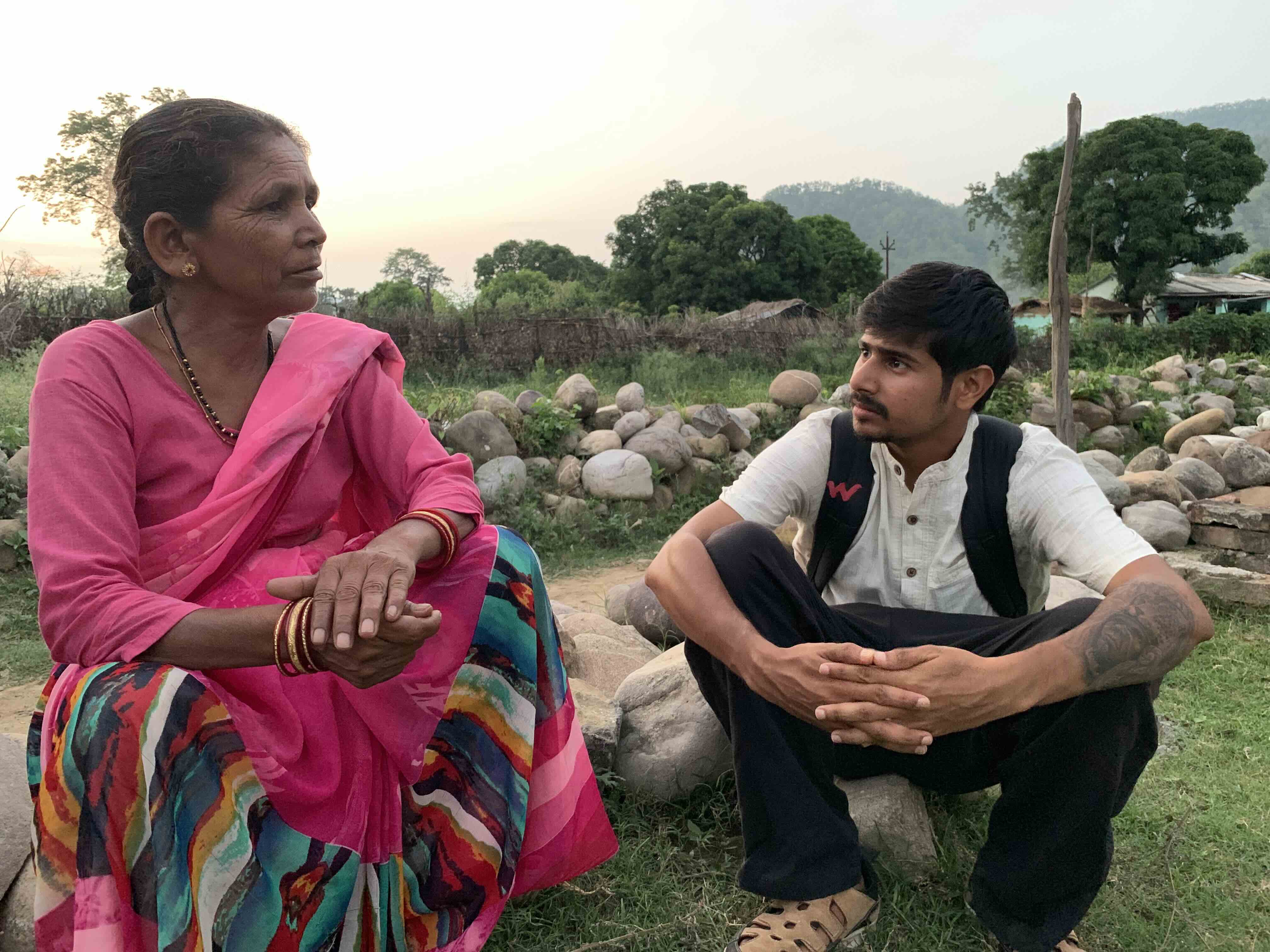
En un parque nacional del norte de la India, una investigación ha revelado que hay hombres que usan las tecnologías de vigilancia de la fauna para observar a mujeres sin su consentimiento e intimidarlas. El estudio, realizado por la Universidad de Cambridge (Reino Unido), describe cómo individuos de pueblos cercanos al bosque y de gobiernos locales hacen un mal uso de cámaras, grabadoras de sonido y drones, originalmente destinados a vigilar áreas protegidas con fines de conservación de animales. Esas tecnologías “son fácilmente captadas para fines ajenos a la conservación que refuerzan normas patriarcales y propagan la violencia estructural de género”, denuncia la investigación, que se publica en Environment and Planning F

0

Living in a state reduced the risk of lethal violence against women in pre-Hispanic Andean societies

In pre-Hispanic Andean societies, the gender of individuals and the political organisation of the region where they lived had a major impact on the physical violence they experienced, says a study published in PNAS. Living in a state ‘drastically’ reduced the likelihood of lethal violence for women, but not for men. The study analysed archaeological data from more than 8,600 adults collected in 169 studies and dating from 155 sites.

0

A quarter of teenage girls who have been in a relationship worldwide have experienced partner violence by a male

24% of girls aged 15 to 19 who have been in a relationship have experienced physical or sexual violence by a male partner at some point in their lives, according to a global study with data from 161 countries between 2000 and 2018. Spain is in the group with the lowest prevalence (12% over their lifetime; 4% in the previous year), according to 2015 data. There is less violence against girls in countries with higher incomes, higher rates of girls in secondary education, and greater gender equality in inheritance laws, says the study published in The Lancet Child & Adolescent Health. 

0

Boys respond aggressively when they perceive their masculinity is threatened

Adolescent boys respond aggressively when they perceive that their masculinity is threatened, an analysis shows. In the study, aggression was higher when boys' motivation to follow what is considered 'typical' for their sex came from external expectations - for example, when their parents believed that men should have more power - rather than their own expectations. The study, which analysed data from 207 boys aged 10-14 and one of their parents, is published in Developmental Science.

0