insects

insects

insects

The decline of pollinators beyond honeybees

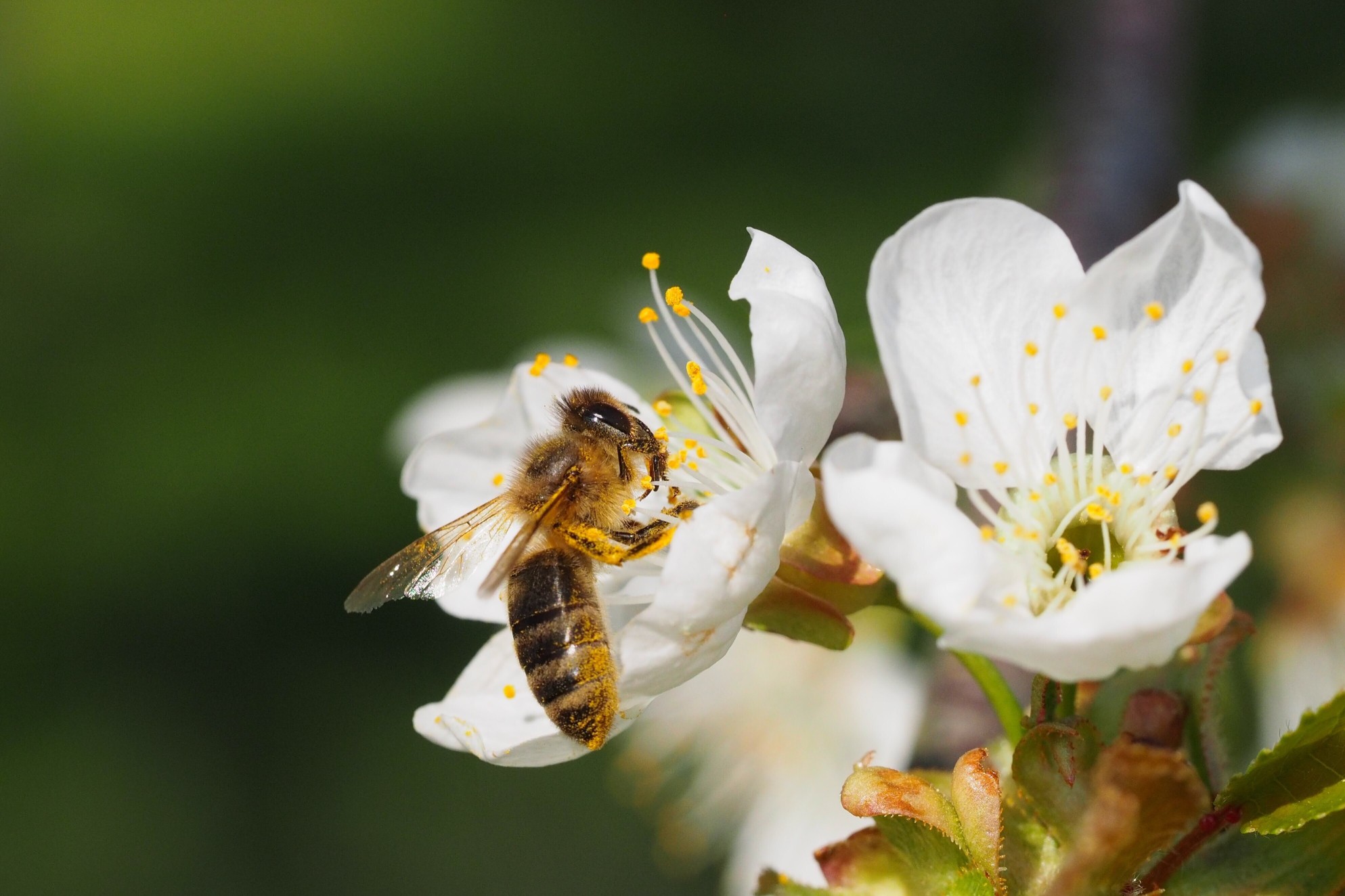
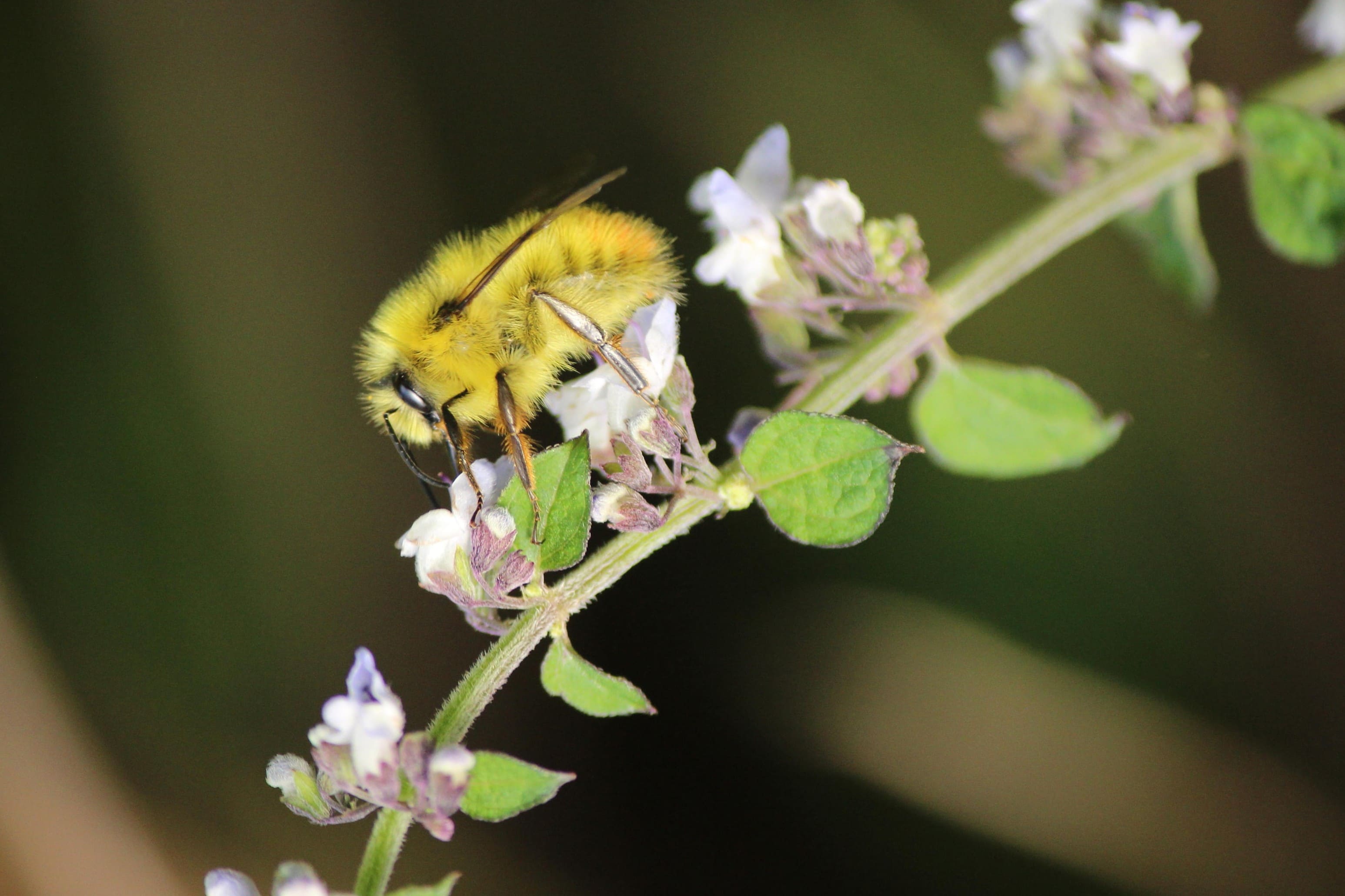
Decades ago, concerns began to be raised about the decline in honeybee populations. Although their situation has improved, the same cannot be said for other pollinating insects. Together, they enable the reproduction of nearly 90% of flowering plants and directly contribute to three out of every four crops that feed the world. We examine the causes of this decline, their current situation, and the measures being taken to protect them.


0

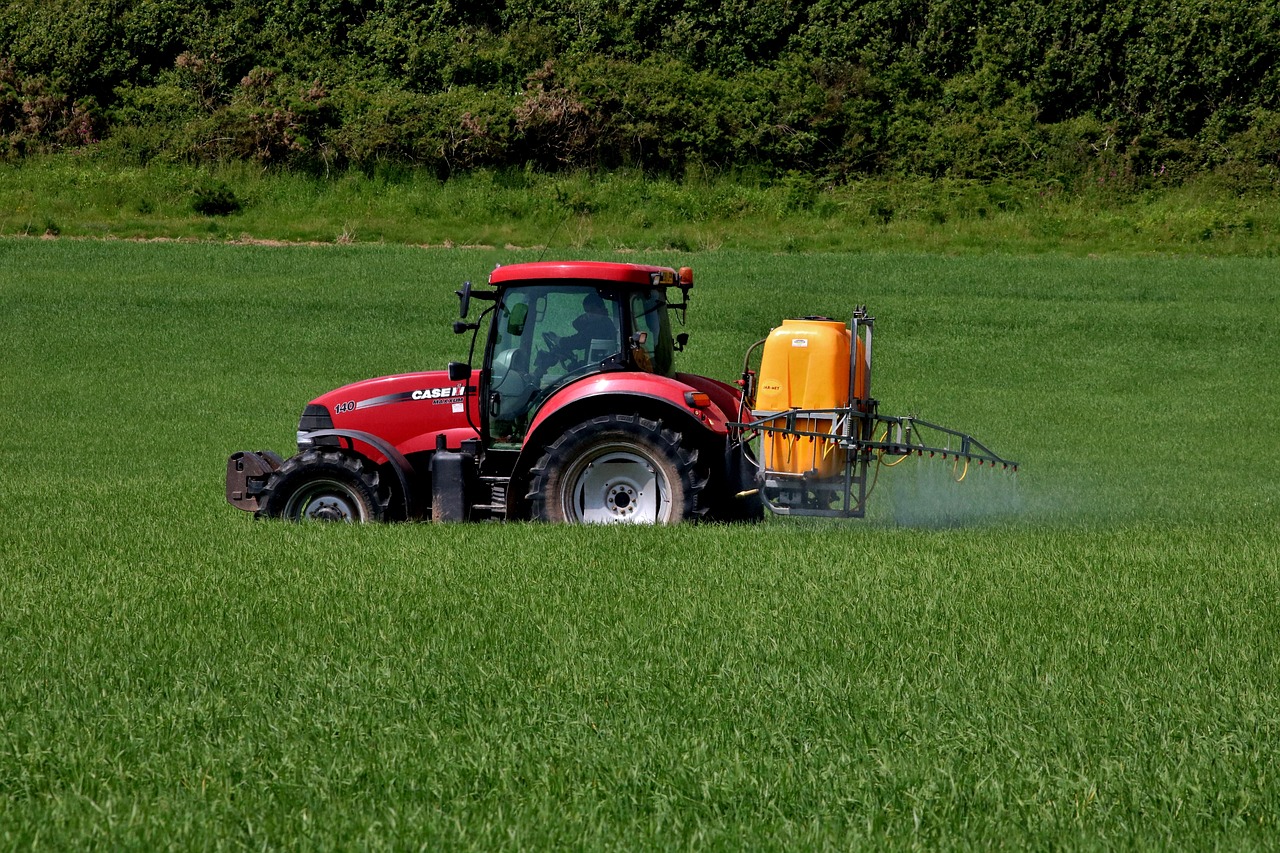
Agrochemicals, even in non-lethal doses, threaten the survival of non-pest insects

Exposure to agrochemicals, even in doses too low to kill insects, causes significant damage to their behavior, development and reproduction, which is aggravated when the temperature rises, according to a study published in Science. The research analyzes the effects of 1,024 molecules - insecticides, herbicides, fungicides, plant growth inhibitors - on the fruit fly Drosophila melanogaster and on other insects.

0

Reactions to an analysis of the causes of insect decline in Europe

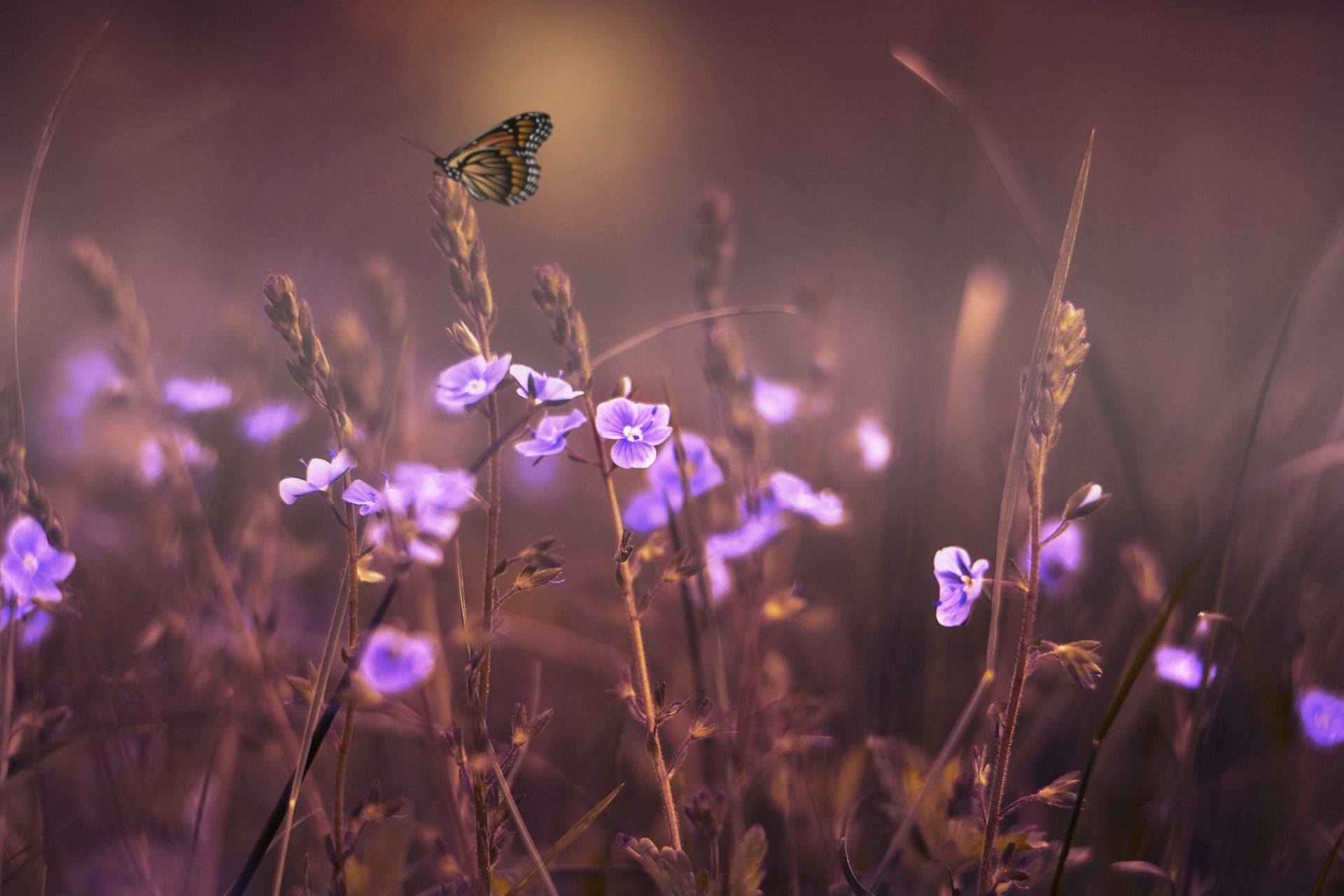
The decline of insects in Central and Western Europe in recent years is mainly due to human activities and the intensification of agriculture, according to a study funded by three companies (Bayer, BASF and Syngenta) that manufacture pesticides. The paper, published in PLoS ONE, summarises an analysis of 82 other published studies and explains the causes of population declines in two groups of insects: carabids (ground beetles) and lepidopterans (including moths and butterflies). The authors estimate that "anthropogenic activities in general" are most responsible for this decline, followed by agricultural intensification (including pesticides) and climate change in third place.

0