ophthalmology

ophthalmology

ophthalmology

Electrodes capable of evoking vision and adapting in real time are implanted in the brains of two blind people

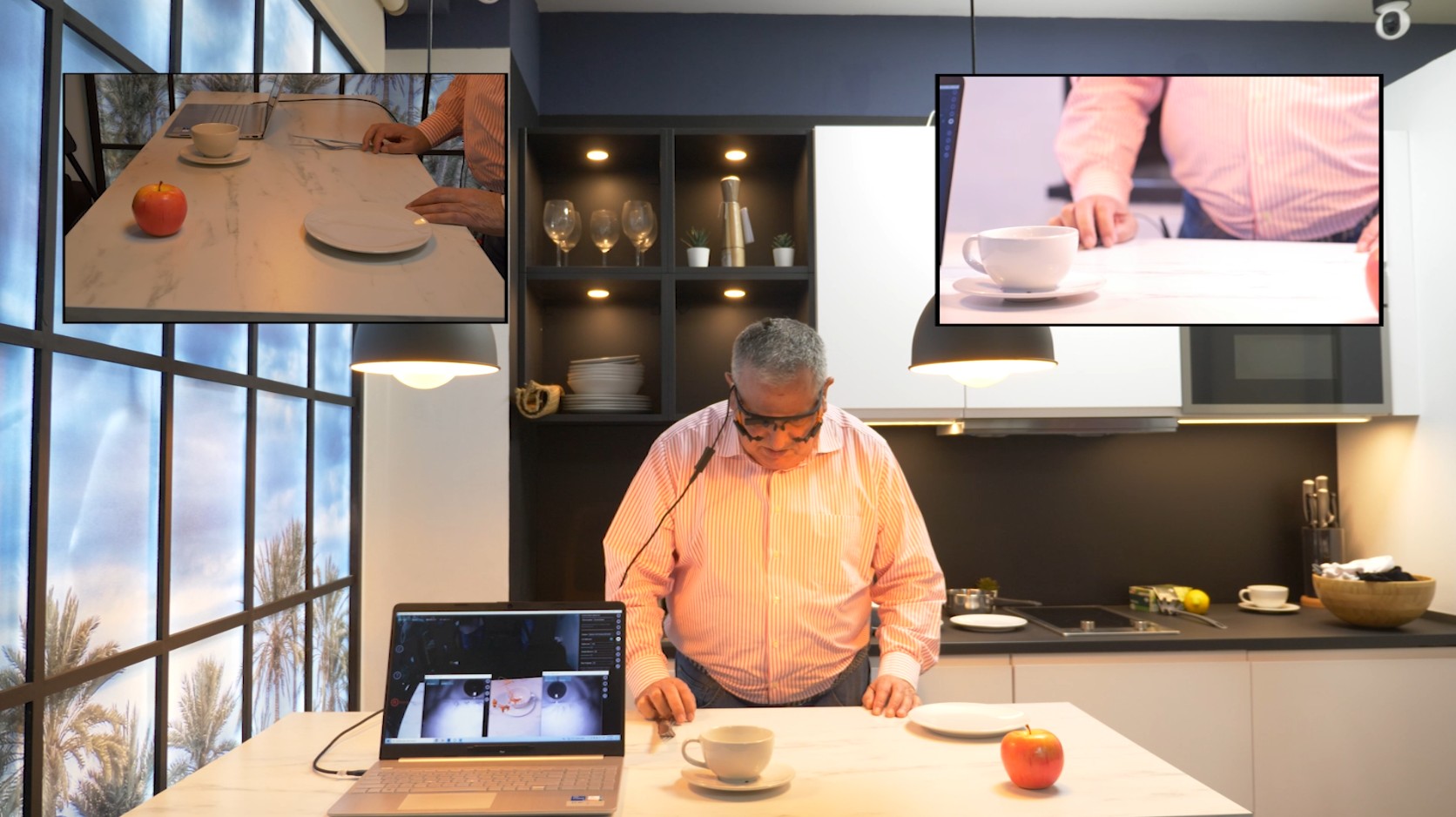
A team from the Miguel Hernández University of Elche and the Alicante Hospital has implanted a microelectrode array in the brains of two blind people. This array is capable of sending electrical stimuli that evoke visual perceptions, something that has been done before, and also of "reading" neuronal responses and adapting to them in real time. The system has allowed them to recognize various complex patterns, movements, shapes, and even some letters. According to the researchers, this new technology "can help make the difference between perceiving a flash and seeing the world." The results are published in the journal Science Advances.  

0

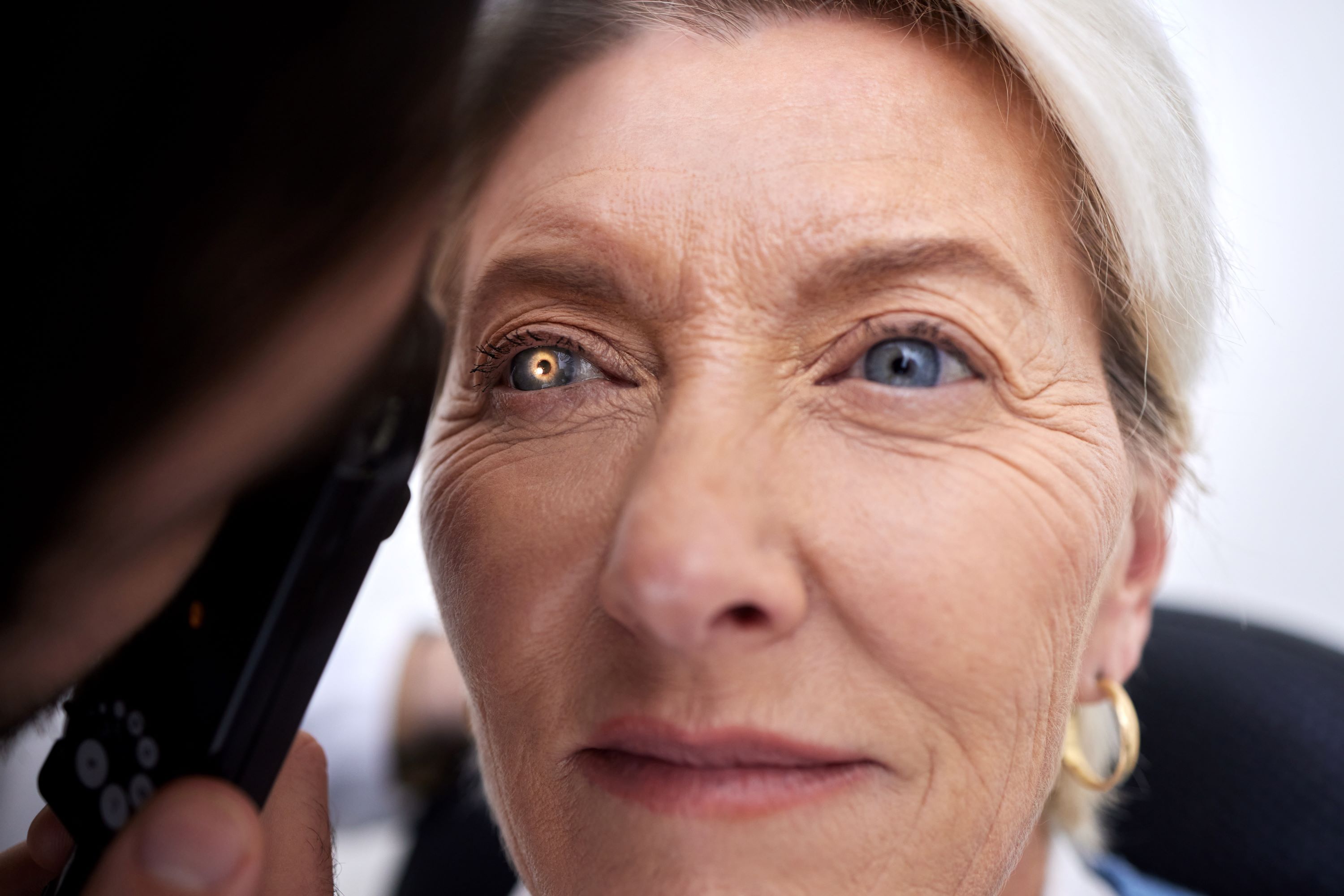
A device improves vision in people with age-related macular degeneration

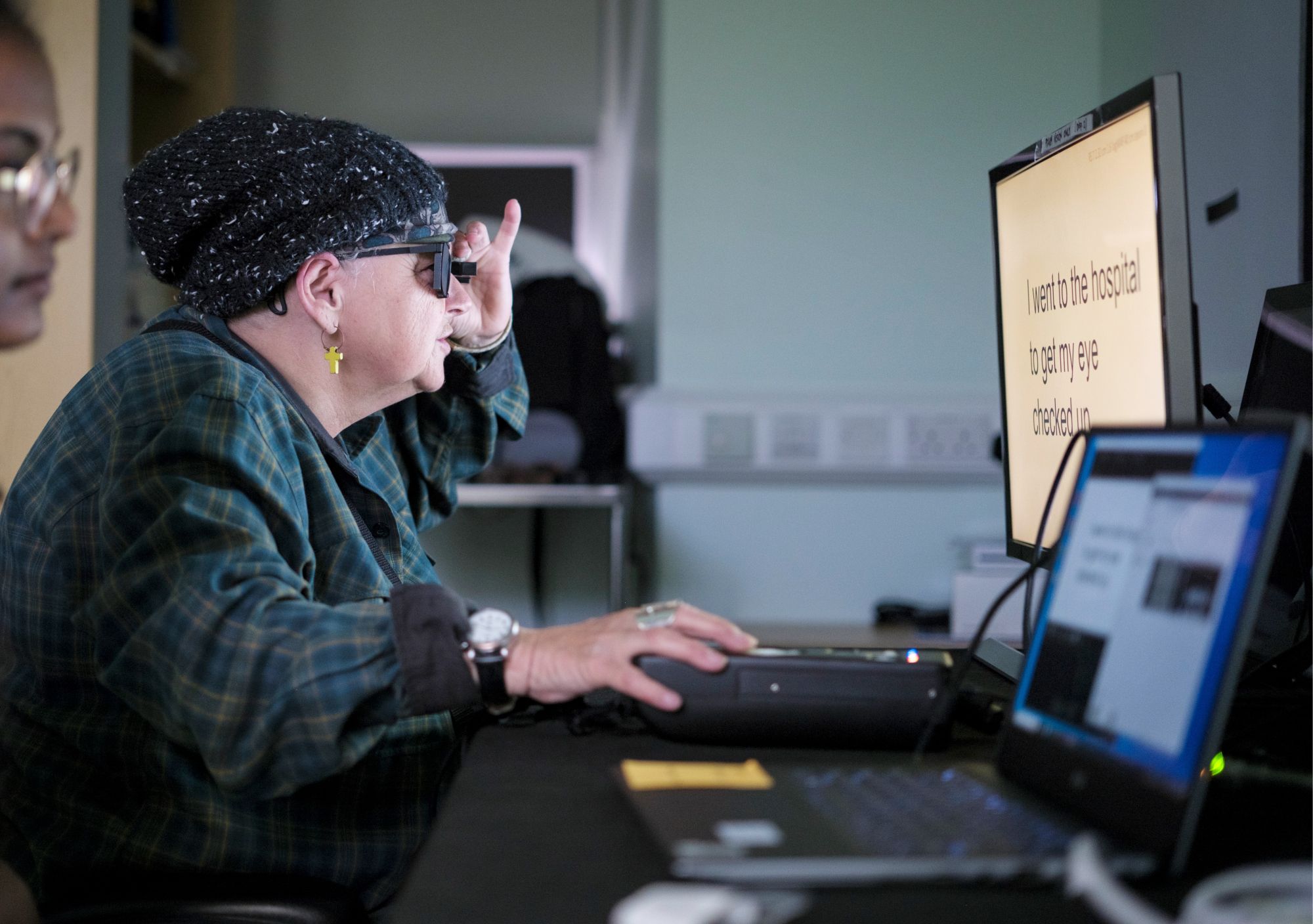
Age-related macular degeneration (AMD) is the leading cause of irreversible blindness and there is no treatment that can restore vision. Now, an international team has tested a device that combines a small wireless chip implanted in the back of the eye with high-tech glasses. The scientists have managed to partially restore vision in people with an advanced form of the disease. Specifically, 26 of the 32 people who completed the trial had clinically significant improvement and were able to read. The results are published in the journal NEJM.

0

A diet rich in omega-3 fatty acids may help prevent myopia in children

A diet rich in omega-3 fatty acids, found mainly in fish oils, may help prevent the development of myopia in children, while high consumption of saturated fats, found in foods such as butter, palm oil and red meat, may increase the risk of developing this condition, according to research published in the British Journal of Ophthalmology. The study was conducted on a thousand children in Hong Kong aged between six and eight.

0

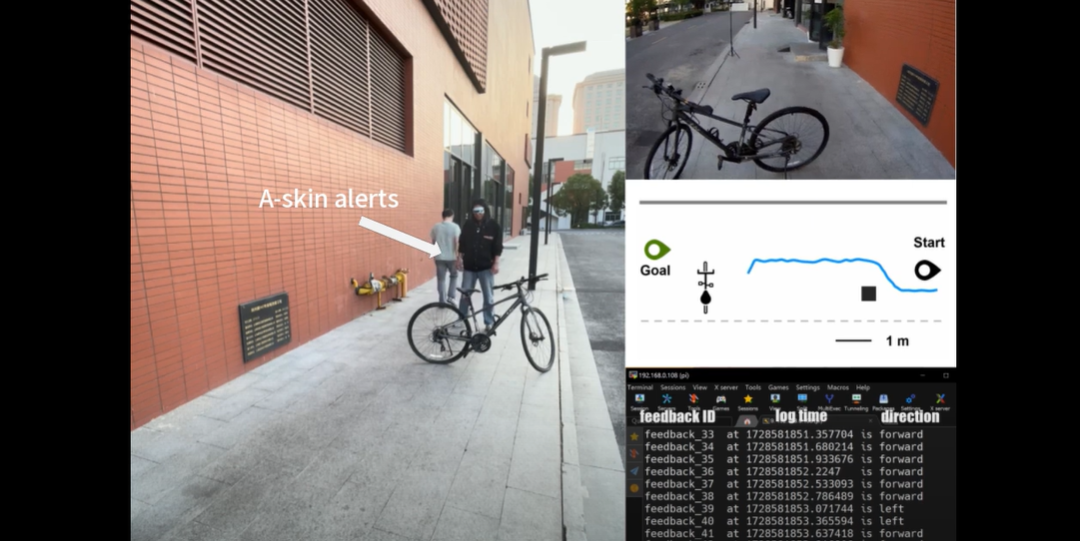
Artificial intelligence system helps blind people to find their way around

A team has developed a wearable designed to aid navigation for people who are blind or visually impaired. The system uses artificial intelligence (AI) algorithms to probe the environment and send signals to the wearer when approaching an obstacle or object. The technology, which is presented in Nature Machine Intelligence, was tested with humanoid robots and blind and partially sighted participants in both virtual and real environments.

0

Increased daily screen time associated with risk of developing myopia

A meta-analysis that included 45 studies involving more than 330,000 people has analysed the association between the time spent exposed to digital screens and the risk of developing myopia. The results of the study, published in JAMA Network Open, show that the risk of myopia increased significantly by just over 20% for every hour of daily use after the first hour.

0