stem cells

stem cells

stem cells

A stem cell transplant with only one protective mutation achieves remission of HIV in a cancer patient

Stem cell transplants in cancer patients have achieved complete remission of HIV in a few cases in people who are also HIV-positive. However, in most cases, the donors were homozygous—with two identical copies of the gene—for a mutation in the CCR5 gene that is considered protective against the virus. A German team has now reported a new case of remission in a 60-year-old man with leukemia—called the “second Berlin patient”—in which the donor was heterozygous (only one of the two copies contained the mutation), which could broaden the alternatives. The results are published in the journal Nature.


0

Stem cell therapy is associated with a lower risk of heart failure after a heart attack, according to a study

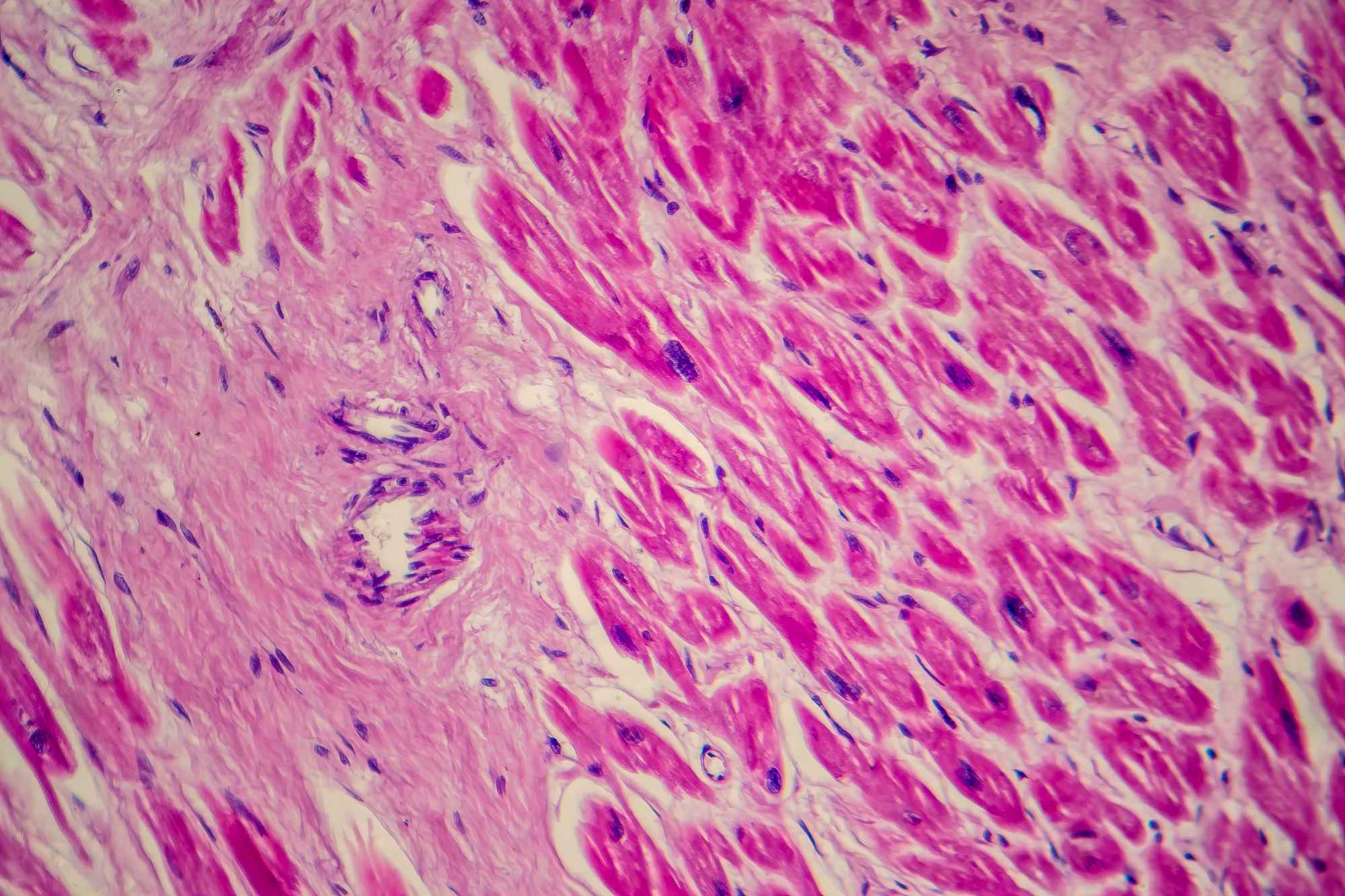
[The BMJ published an "expression of concern" about this study on November 12] A phase 3 clinical trial has analyzed the effectiveness of administering stem cells to prevent heart failure in people who have suffered a major heart attack. The trial included 396 patients, 136 of whom received a stem cell infusion. According to the results, published in The BMJ, the treatment significantly reduced the rates of heart failure, although it did not affect mortality.

0

Laboratory embryo models developed that produce blood cells

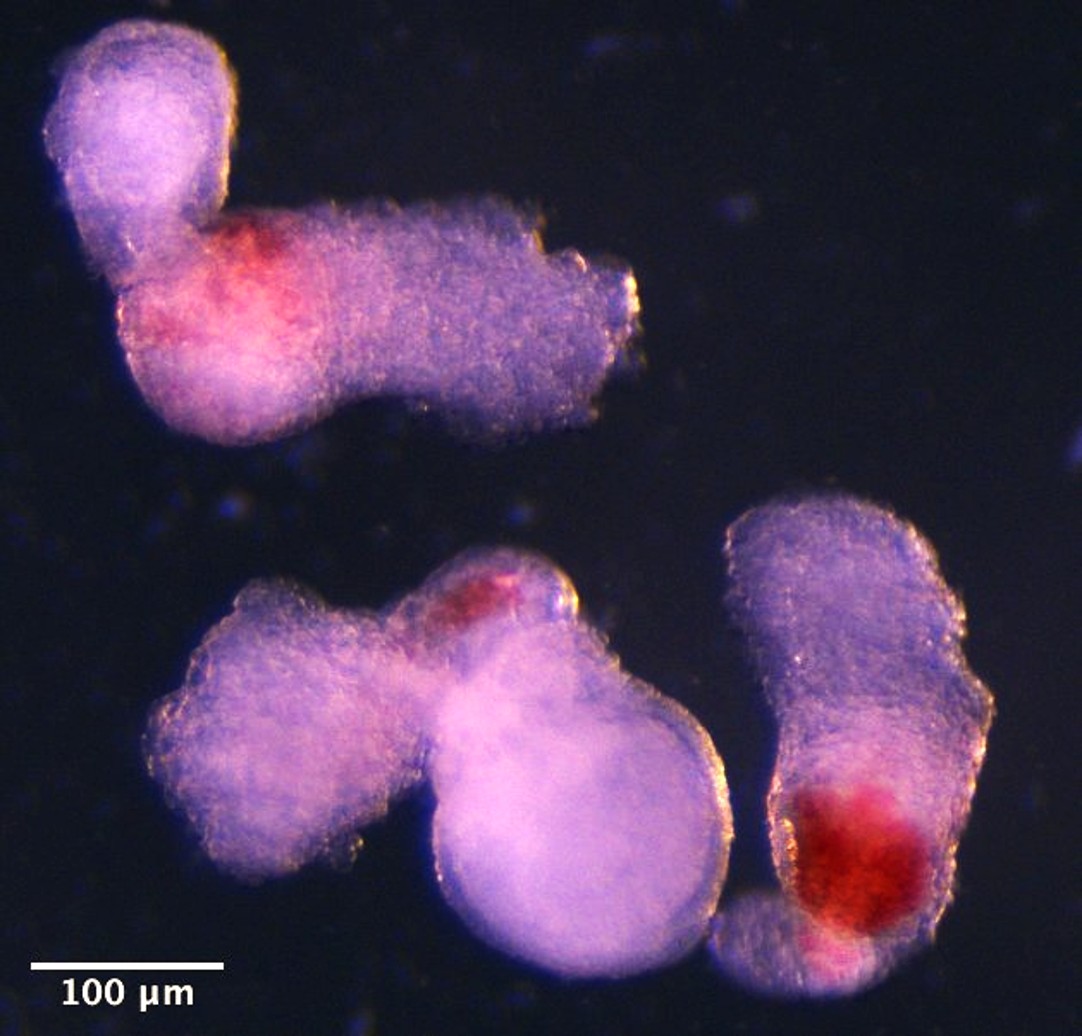
A team led by the University of Cambridge (UK) has used human stem cells to produce three-dimensional embryo-like structures that replicate certain aspects of early development, including, they say, the production of blood stem cells. They have called these structures “hematoids” and, according to the university press release, “they offer great potential for better understanding blood formation during the earliest stages of human development, for simulating disorders such as leukemia, and for producing long-lived blood stem cells for transplantation.” The results are published in the journal Cell Reports. 

0