water resources

water resources

water resources

The depletion of transboundary aquifers is similar to that of domestic aquifers
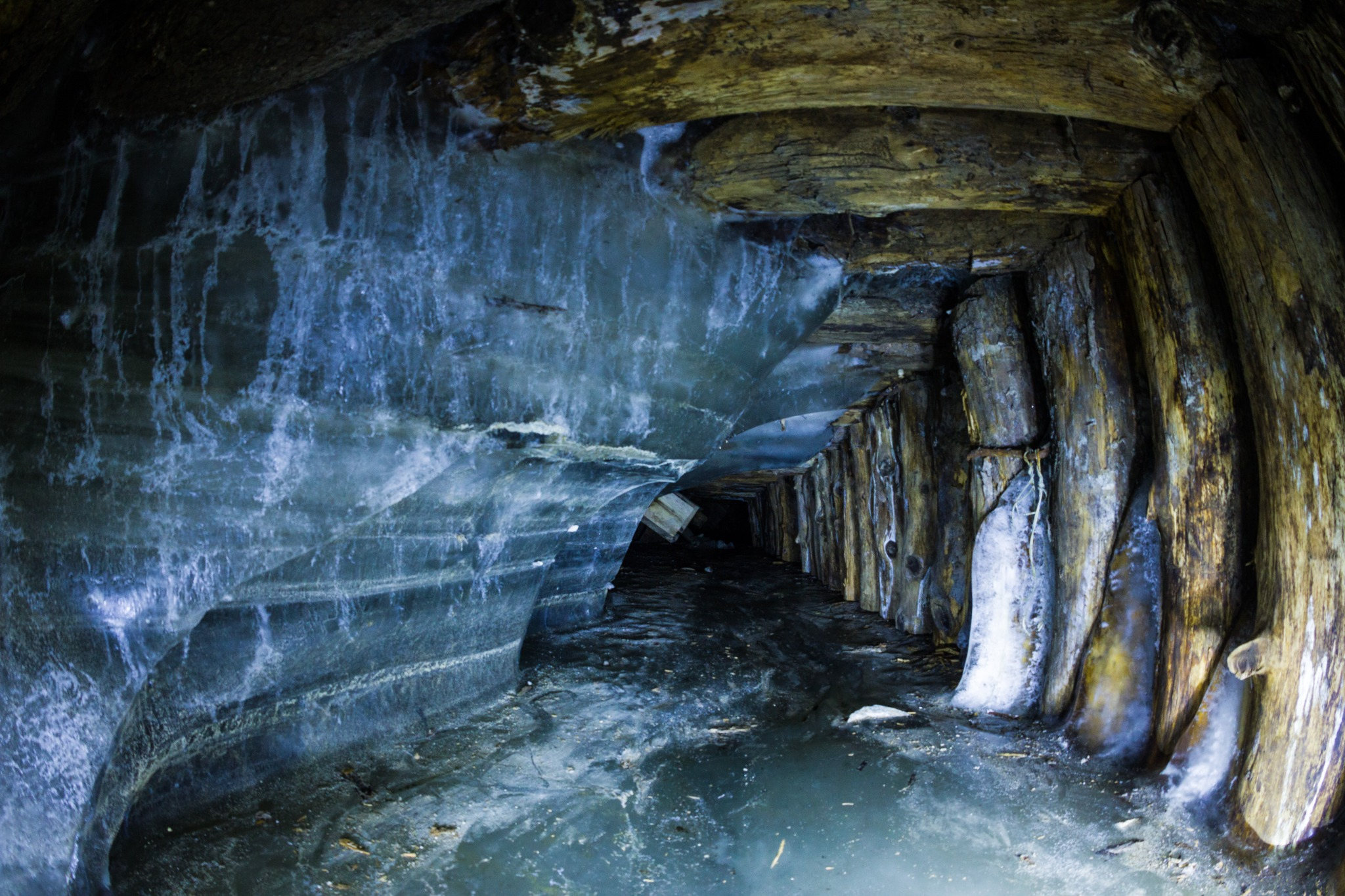
Transboundary aquifers are groundwater reserves that extend across the territory of two or more countries, as is the case between Spain and Portugal. Globally, these aquifers supply 35 per cent of farmland irrigated with groundwater, but few are covered by international cooperation agreements. A study published in the journal PNAS has analysed water use in the 426 known transboundary aquifers. The results find no evidence that these aquifers, on average, suffer greater depletion than those located within a single country, although depletion tends to be concentrated near borders.

0
The world has entered the era of water bankruptcy, according to a new UN report

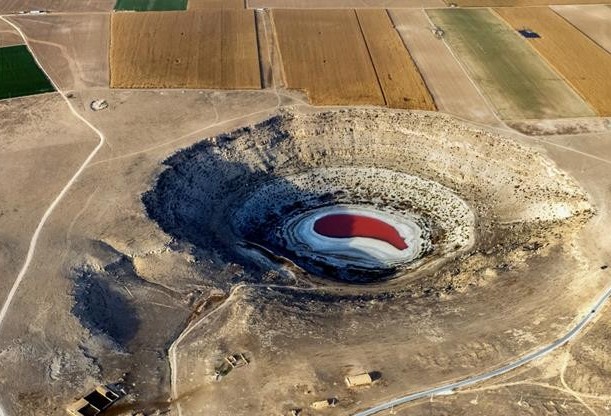
A new report from the United Nations University Institute for Water, Environment and Health (UNU-INWEH) toughens the discourse on the current water emergency by referring to an era of "global water bankruptcy". According to the report, the terms "water stress" or "water crisis" are no longer sufficient, as we find ourselves in a situation that goes beyond a temporary crisis, characterised by irreversible losses of natural water resources and the inability to return to historical levels. The report points out that, although not all basins are in water bankruptcy, "enough critical systems around the world have crossed these thresholds" and are interconnected through trade, migration, climate or geopolitics.

0

One lake in the central Amazon reached 41 °C and four others exceeded 37 °C in 2023

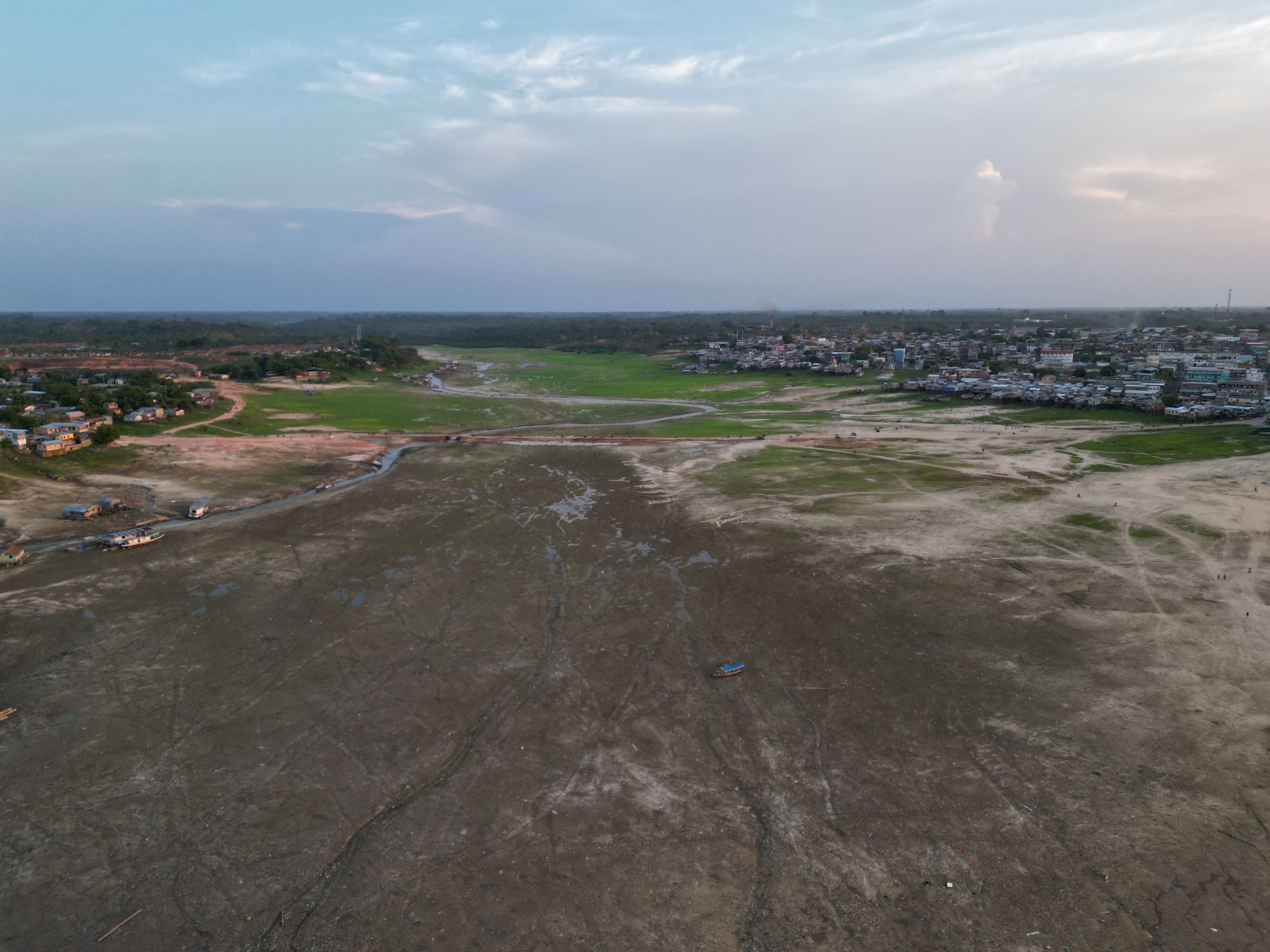
Lakes are considered sentinels of climate change, although most research has focused on temperate regions. An international team analysed 10 tropical lakes in the central Amazon during the 2023 drought, which caused high mortality among fish and river dolphins. Using satellite data and hydrodynamic models, the authors show how intense drought and a heatwave combined to raise water temperatures: five of the 10 lakes experienced very high daytime temperatures, exceeding 37°C. Specifically, temperatures in the shallow waters of Lake Tefé soared to 41°C—hotter than a thermal bath. The study is published in Science.

0

Reaction: more than half of the world's great lakes have lost water in the last three decades

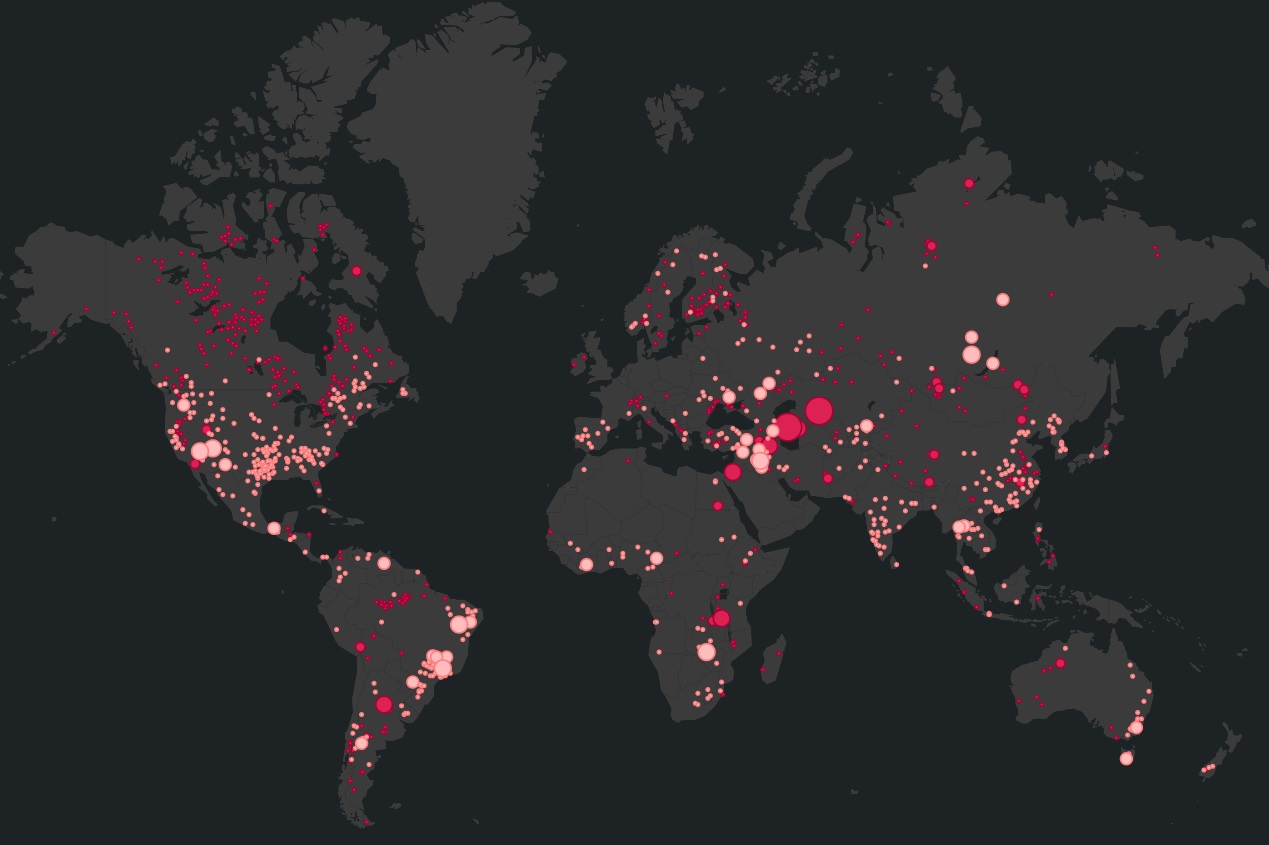
Fifty-three per cent of the world's largest lakes and reservoirs have lost water between 1992 and 2020, according to a study combining satellite observations, climate data and hydrological models. These results suggest a global trend towards more extensive desiccation than previously thought, in both arid and humid areas, the research team says in the journal Science. The authors also share an online map that includes trends for large freshwater reservoirs in Spain, such as the Iznájar (Córdoba), Mequinenza (Zaragoza) and Valdecañas (Cáceres) reservoirs.

0