drought

drought

drought

Desertification, biodiversity and climate: what to expect from the three environmental summits in 2026

Next Monday, 17 August, COP17 on desertification gets underway in Ulaanbaatar (Mongolia). This is the first of three environmental summits to be held this year. The next event will be in Yerevan (Armenia), where the COP17 on biodiversity will be held from 19 to 30 October, and the year will conclude with the COP31 on climate change, which will take place in Antalya (Turkey) from 9 to 20 November and will be co-chaired by Australia. Why has there been no proposal for a single summit encompassing all three? Would a climate summit held every two years, like those on biodiversity and desertification, be more appropriate? With the United States out of the picture, who is leading them? To answer these and other questions, SMC Spain organised a briefing session with experts who have extensive experience of this type of summit.

0

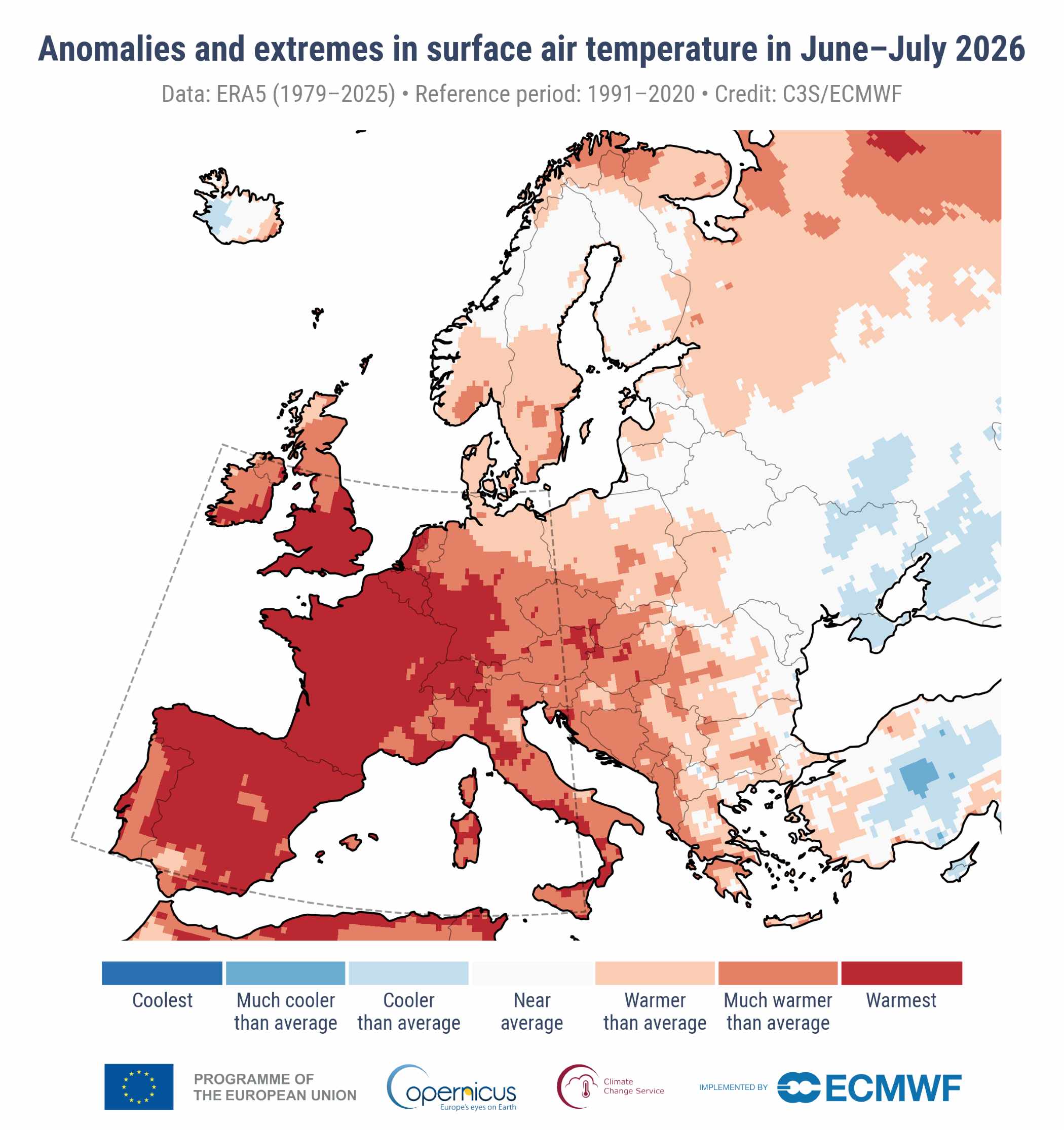
Record-breaking heat in June and July fuelled the wildfires in Spain and France, as shown by Copernicus data

Western Europe experienced its hottest June–July on record, according to data from the Copernicus Climate Change Service (C3S). July saw the third and fourth heatwaves since May, marking an exceptional spell of extreme heat this summer. Across much of the region, the drought observed in May and June also persisted and intensified, with exceptionally low rainfall and soil moisture in France, Spain, parts of Germany and the United Kingdom. These hot and dry conditions in Western Europe led to the spread and intensification of last month’s extreme wildfires in countries such as Spain and France, according to the report.

0

Researchers observe link between drought and antibiotic resistance in soil bacteria

Drought is linked to the growth of antibiotic-resistant bacteria in the soil, according to a study published in Nature Microbiology. Using data from hospitals in 116 countries, the study observes a link between local aridity and the prevalence of antibiotic-resistant bacteria, although the research does not prove a causal relationship between the two phenomena.

0

The world has entered the era of water bankruptcy, according to a new UN report

A new report from the United Nations University Institute for Water, Environment and Health (UNU-INWEH) toughens the discourse on the current water emergency by referring to an era of "global water bankruptcy". According to the report, the terms "water stress" or "water crisis" are no longer sufficient, as we find ourselves in a situation that goes beyond a temporary crisis, characterised by irreversible losses of natural water resources and the inability to return to historical levels. The report points out that, although not all basins are in water bankruptcy, "enough critical systems around the world have crossed these thresholds" and are interconnected through trade, migration, climate or geopolitics.

0

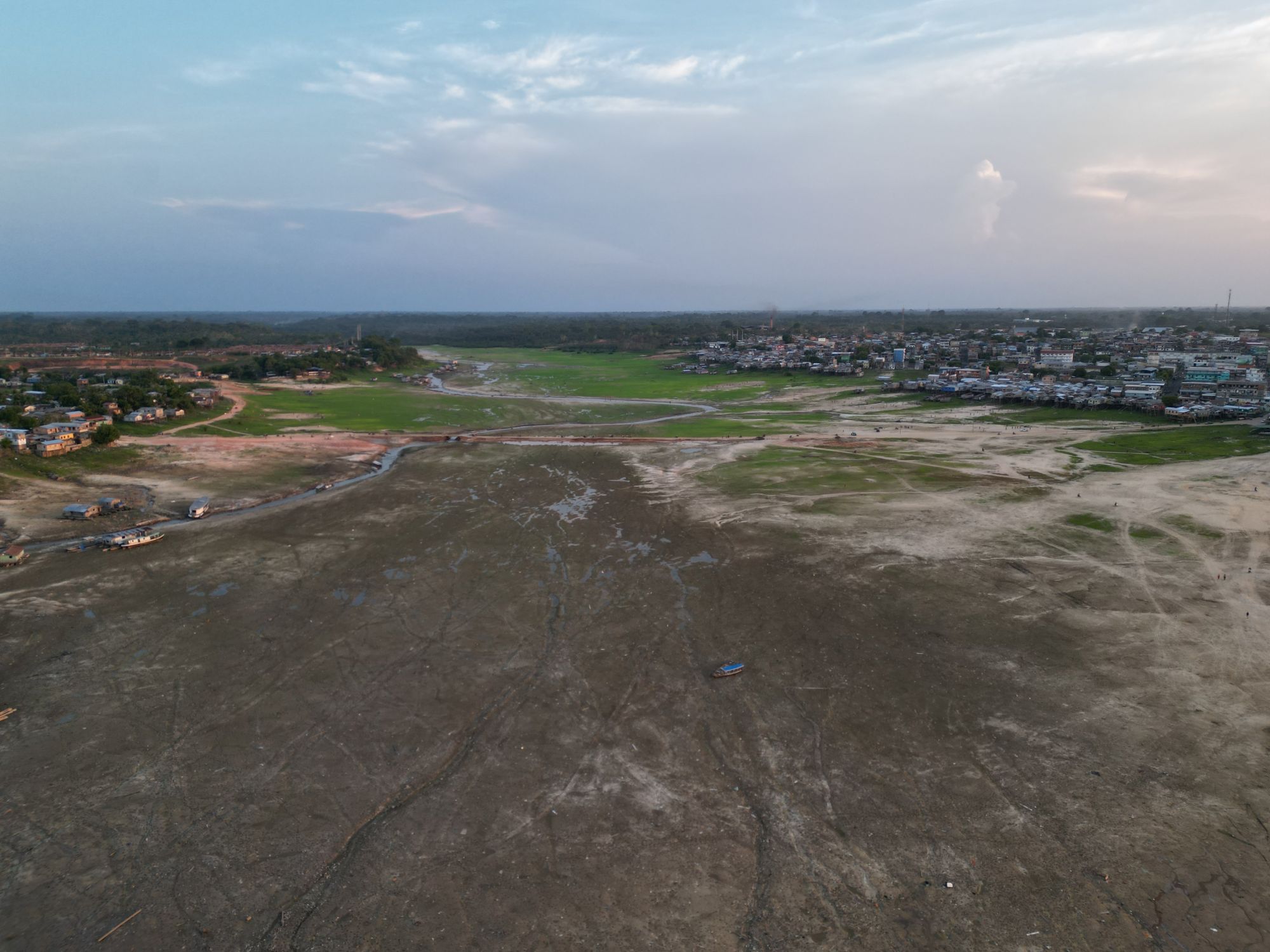
One lake in the central Amazon reached 41 °C and four others exceeded 37 °C in 2023

Lakes are considered sentinels of climate change, although most research has focused on temperate regions. An international team analysed 10 tropical lakes in the central Amazon during the 2023 drought, which caused high mortality among fish and river dolphins. Using satellite data and hydrodynamic models, the authors show how intense drought and a heatwave combined to raise water temperatures: five of the 10 lakes experienced very high daytime temperatures, exceeding 37°C. Specifically, temperatures in the shallow waters of Lake Tefé soared to 41°C—hotter than a thermal bath. The study is published in Science.

0

22,000 deaths per year in Spain are attributed to air pollution

Around 5,800 deaths per year in Spain between 2012 and 2021 can be attributed to heat—twice as many as during the 1990s—according to a report published in The Lancet. In addition, of the deaths that occurred during 2022, around 22,000 can be attributed to air pollution, the publication adds. The Countdown report describes the impact of climate change on global health with more than 50 indicators reviewed by scientists. In the period 2020-2024, 61% of Spanish territory experienced at least one month of extreme drought per year; this figure is six times higher than the average for the period 1951-1960.

0

Extreme droughts slow the carbon storage capacity of scrublands and grasslands

Some ecosystems are able to adapt to moderate droughts, even if they last for several years. However, in scrublands and grasslands, when the phenomenon is extreme and prolonged, their capacity to store carbon plummets. This is the main conclusion of an international study that has assessed the effects of the duration and severity of droughts on the productivity of 74 grassland and pasture ecosystems on six continents. According to the authors, the most vulnerable areas are arid and semi-arid regions, such as those in the Mediterranean region and the southwestern United States. The study, published in Science, involves CREAF, CSIC and IICG-URJC, among other centres.

0

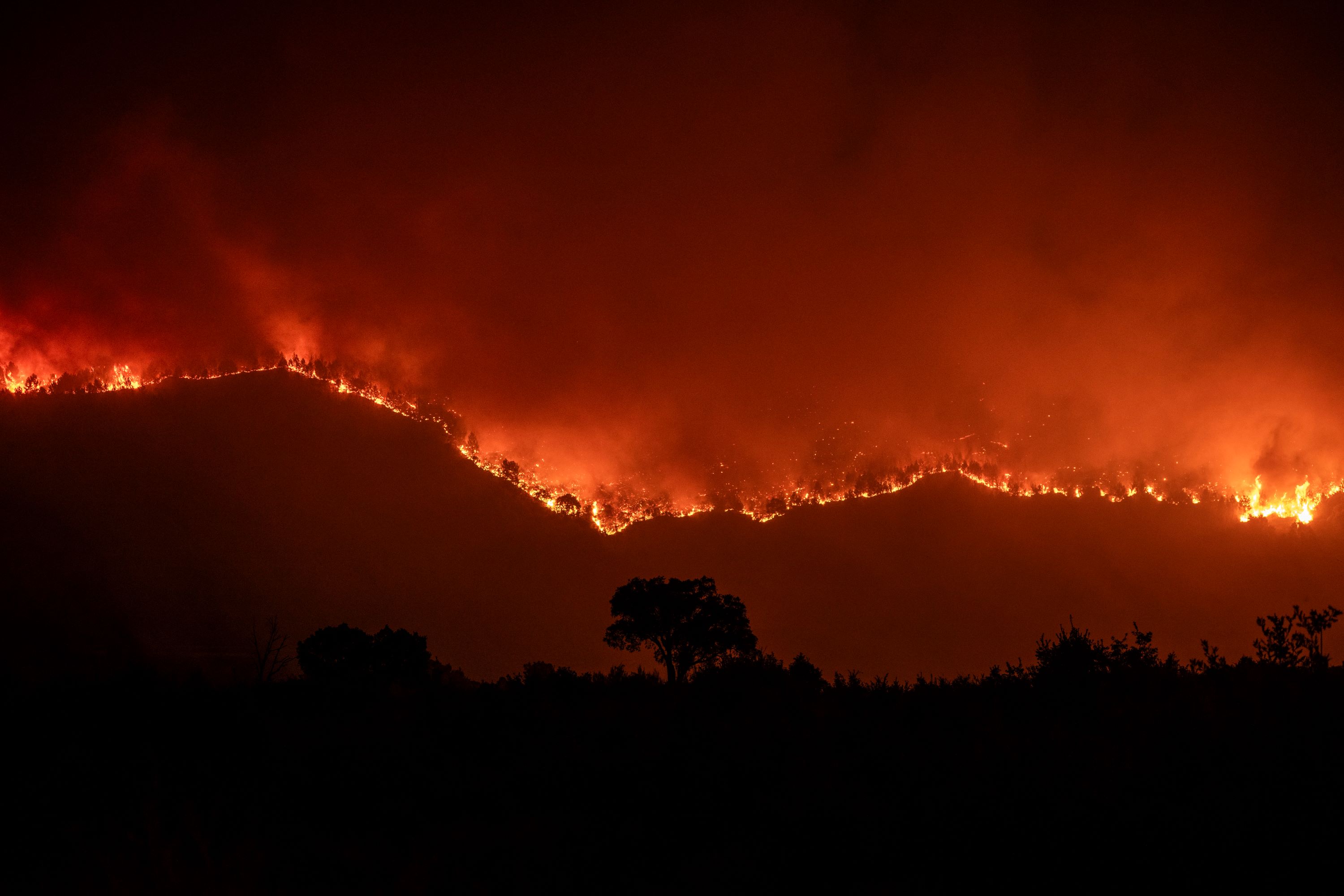
Extreme heat and wind keep numerous fires burning on the peninsula

Four people have died in the fires that began last weekend on the Iberian Peninsula and have spread to different areas of Galicia, Castile and León, Andalusia, Castile-La Mancha, Extremadura and Madrid. The heatwave that continues to grip the country, strong gusts of wind and their changing direction, and the thermal drought are hampering firefighting efforts. The government declared on Tuesday a pre-emergency phase and thousands of people have had to be evacuated.

0

A factor related to the atmosphere could influence the increase in the severity of droughts

Atmospheric evaporative demand is a measure of the atmosphere's ability to extract moisture from the soil and influences the availability of water on the Earth's surface. An international team has analysed global drought data from 1901 to 2022 and found that this demand has contributed to a 40% increase in drought severity since 1981. Furthermore, this trend is accelerating and will most likely continue due to climate change, according to the authors. The results are published in the journal Nature.

0

Reactions: Pollution aggravates water scarcity problem

In 2010, nearly 1,000 sub-basins around the world were facing water shortages. But when considering not only water quantity, but also water quality, this figure rises to more than 2,500, according to a study published in Nature Communications. By 2050, the authors estimate that up to a third of sub-basins will face severe shortages of clean water, which could affect 3 billion people. Southern China, Europe, North America and Africa will be the most affected regions.

0