Antonio J. Osuna Mascaró

Antonio J. Osuna Mascaró

Antonio J. Osuna Mascaró
Position

Postdoctoral researcher at the Messerli Research Institute at the University of Veterinary Medicine Vienna (Austria), animal cognition specialist

Two macaques can tap to the beat of music in an experimental study

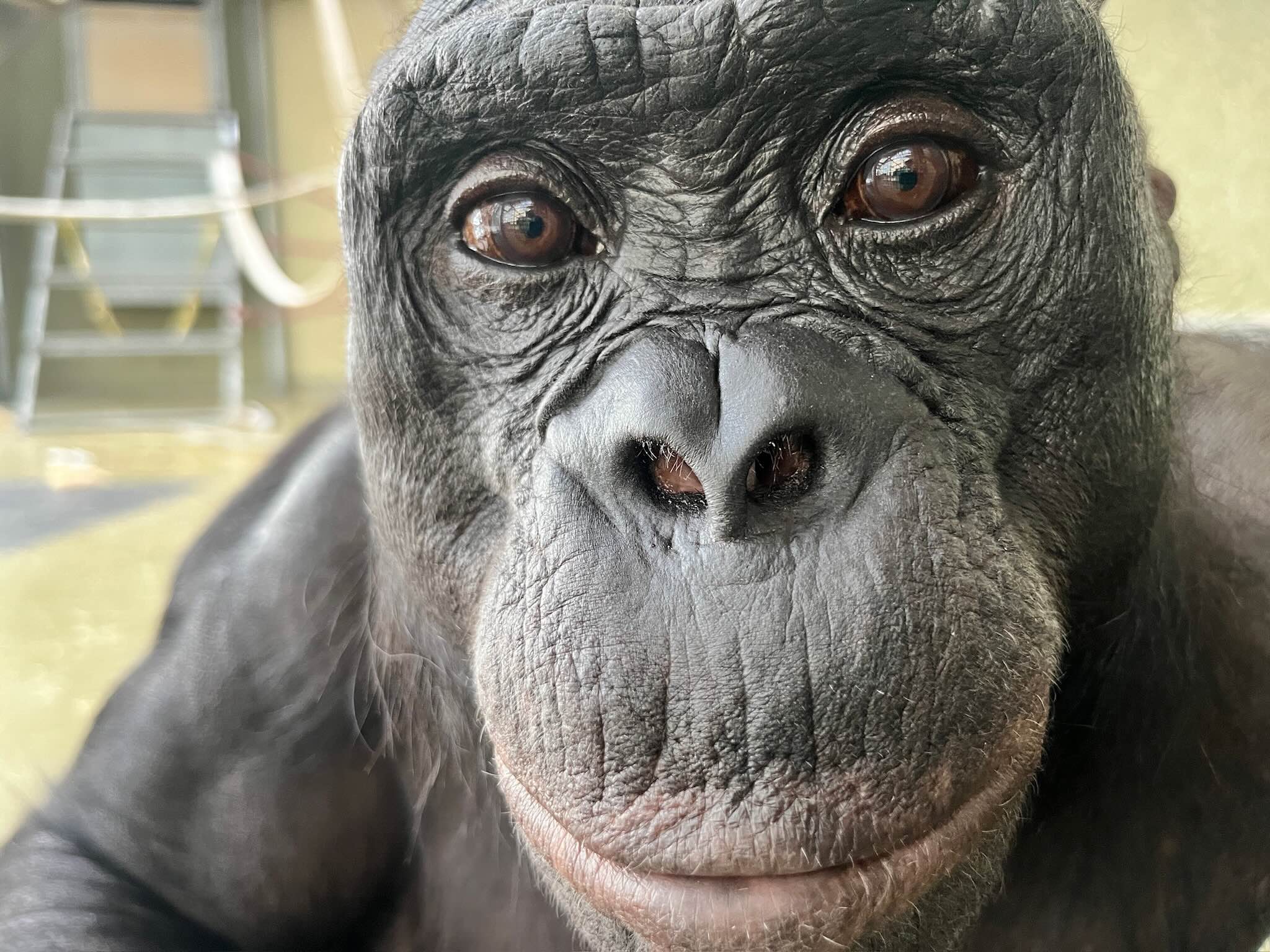
Gilberto and Tomás are two macaques trained to synchronise their movements with the rhythm of a metronome, who were also able to tap to a musical beat, according to a study published in Science. This result contradicts the vocal learning hypothesis, according to which only species capable of complex vocalisations can perceive and follow a musical rhythm.

0

Jane Goodall, icon of primatology and environmentalism, dies

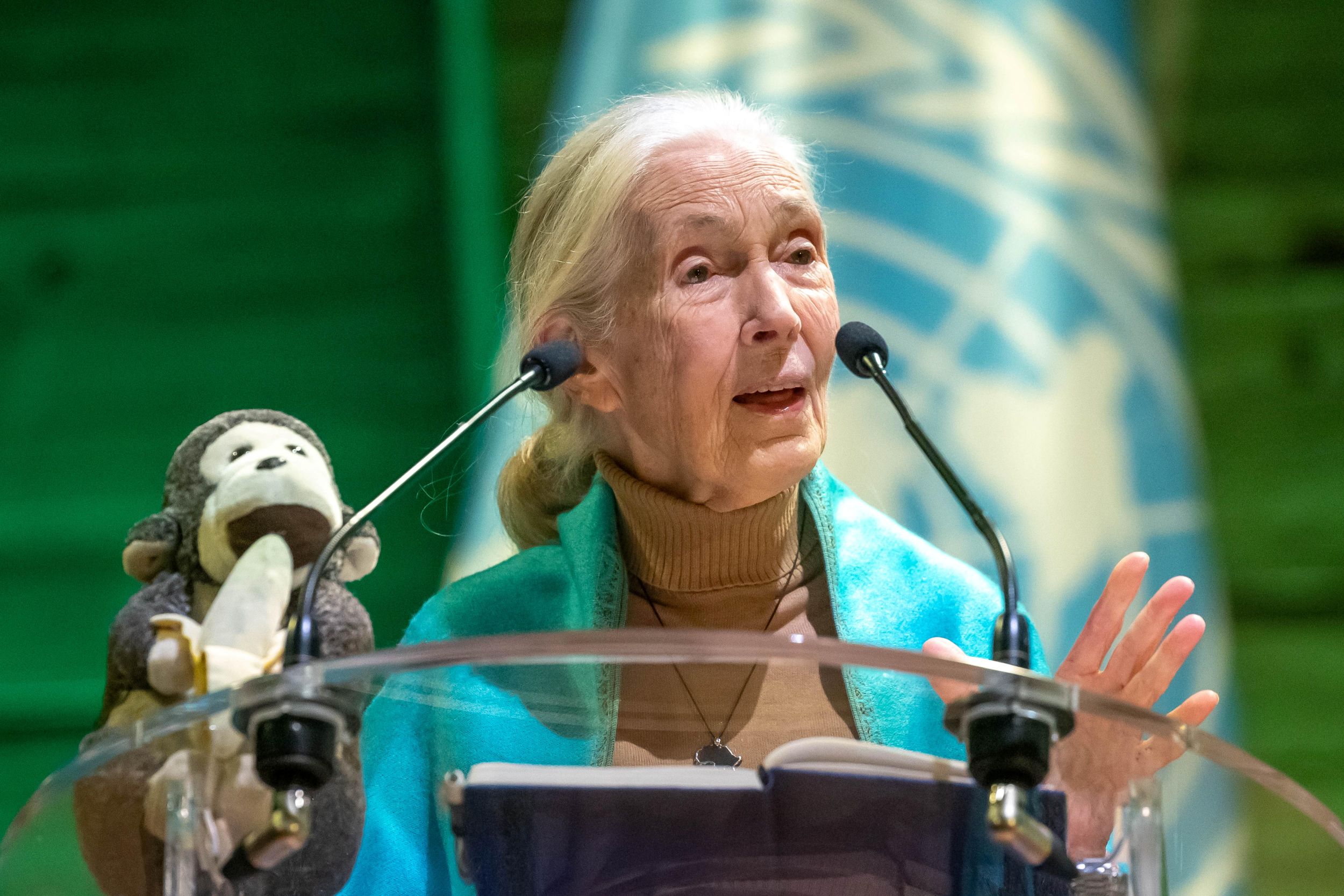
English ethologist Jane Goodall died on Wednesday at the age of 91 in California (United States), where she was participating in a lecture tour. This was announced by the Jane Goodall Institute on its social media. ‘Dr Goodall's discoveries as an ethologist revolutionised science and she was a tireless advocate for the protection and restoration of our natural world,’ the statement said. Her observations and analysis of chimpanzees in the wild over decades were a milestone in primatology.


0

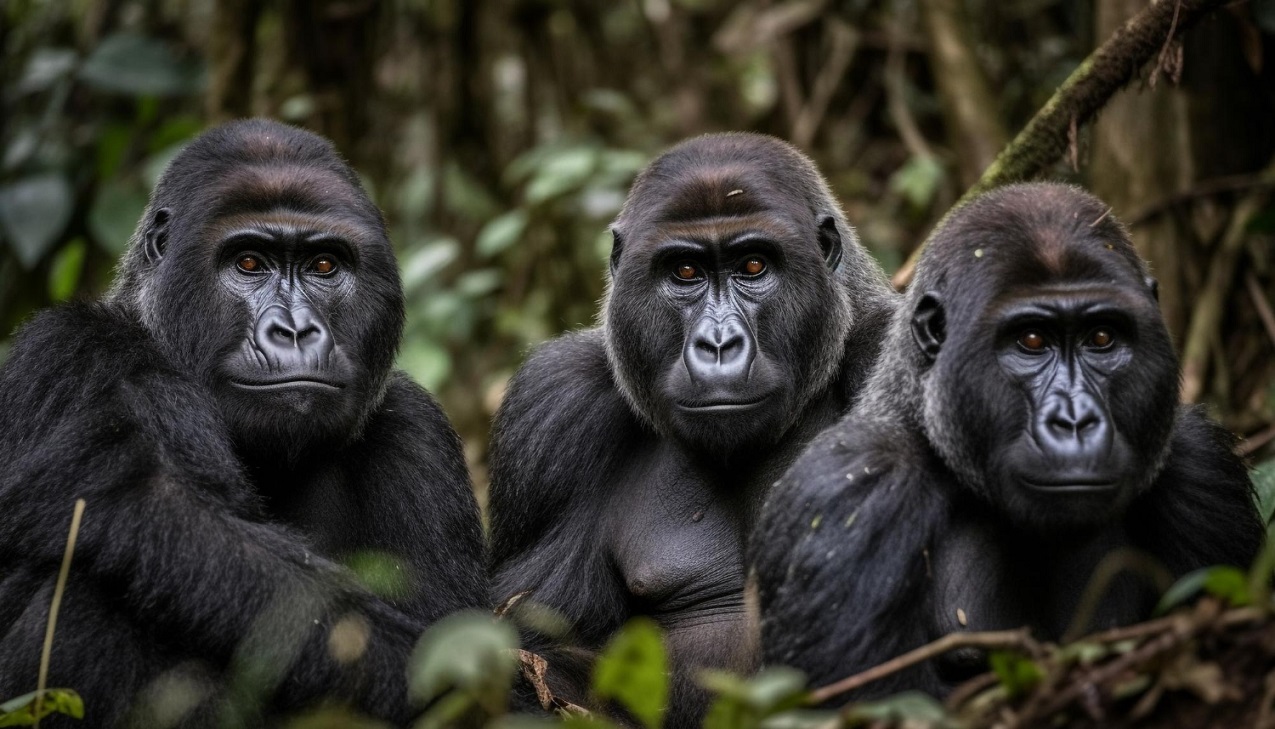
Study questions the social dominance of males in most primate societies

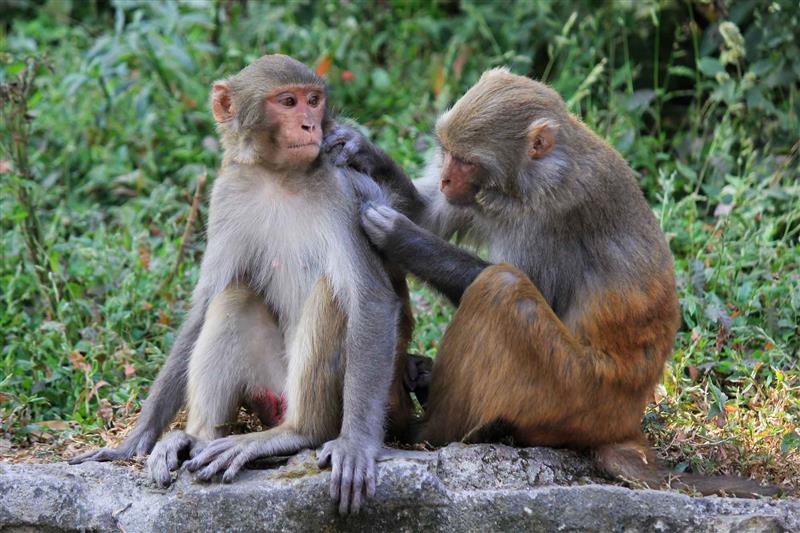
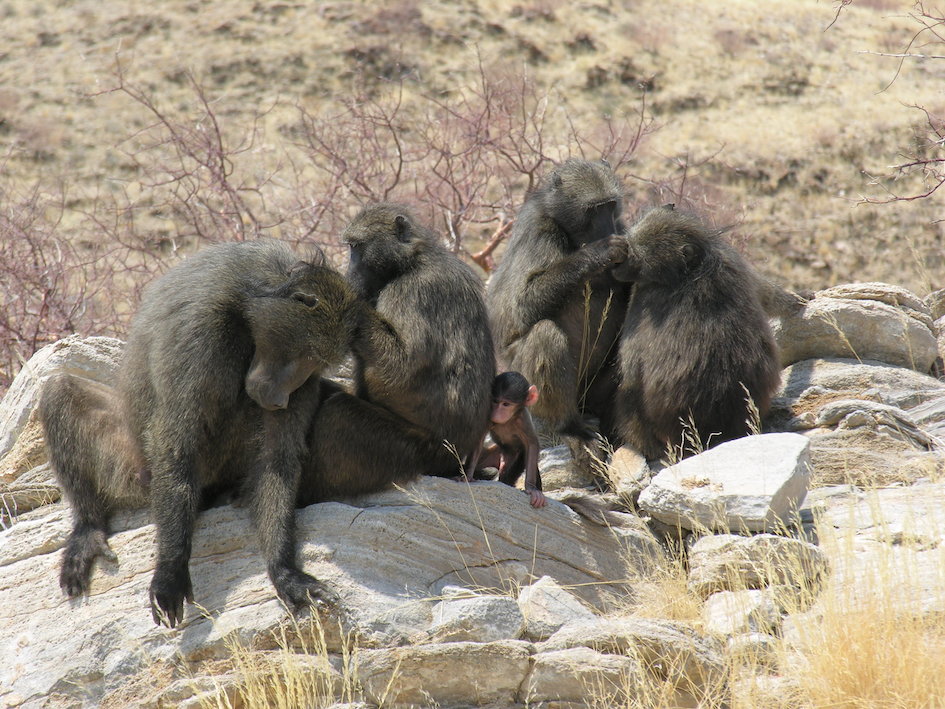
An international team has studied dominance relationships between the sexes in 253 populations of 121 different primate species. The data collected indicate that clear dominance by one sex or the other is rare, despite the fact that it was long believed that males dominated females socially in most of them. According to the press release accompanying the paper, the work “challenges traditional views on the natural origins of gender roles.” The results are published in the journal PNAS

0

Education, religion or contact with animals influence the human traits we attribute to them

An international team with Spanish participation has analyzed the factors that influence our anthropomorphization of animals - the tendency to attribute human traits to them. According to a questionnaire completed by 741 people from five countries, including Spain, factors such as educational level, religion, urban-type experiences or contact with animals affect this tendency, which in turn can influence conservation programs. According to the authors, "species that appear more human-like or exhibit human-like behaviors tend to receive more attention, funding and public support. This preference may overshadow the ecological importance of less charismatic species." The results are published in the journal iScience.  

0

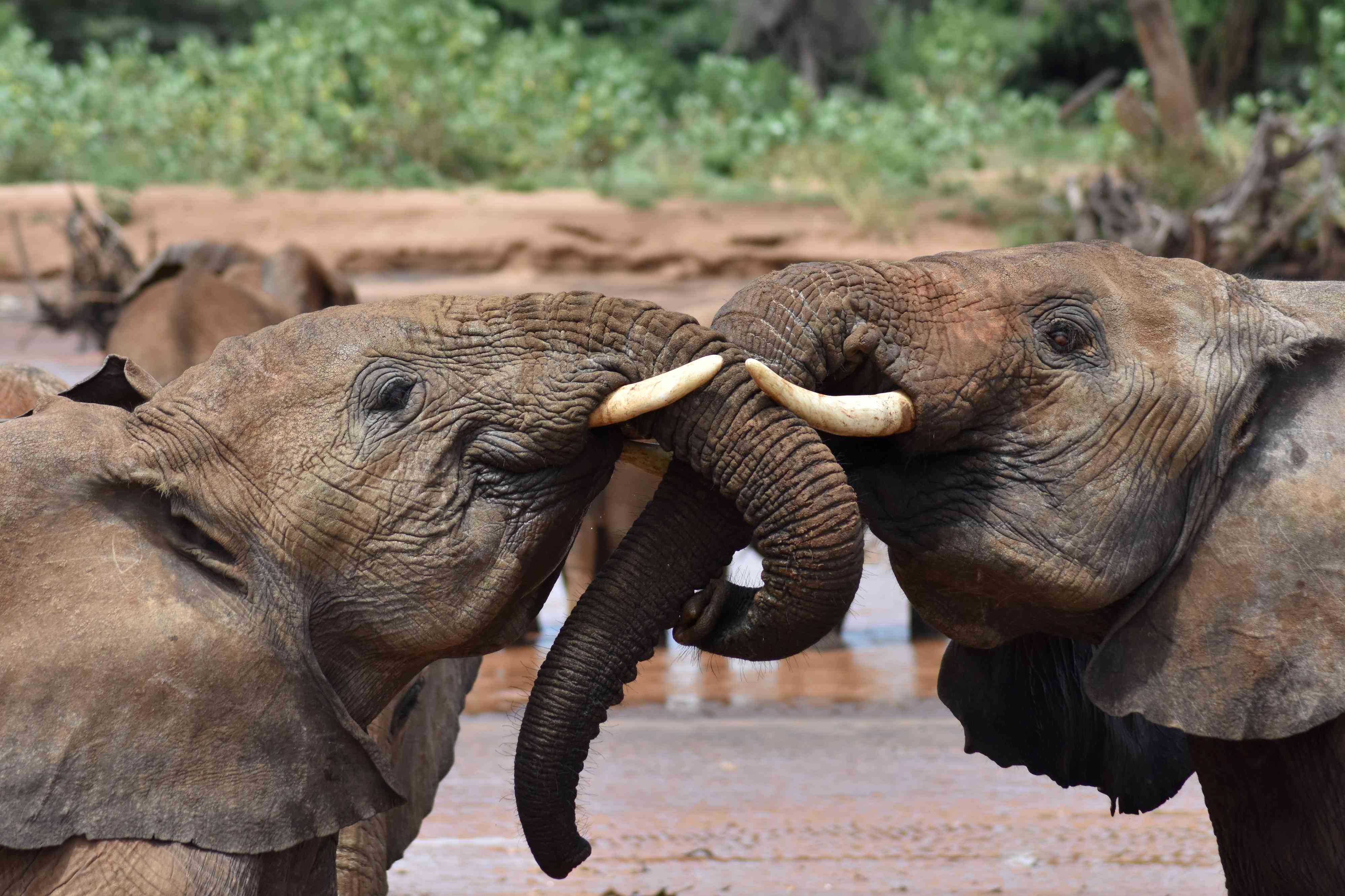
African elephants address each other with name-like calls, study finds African elephants address each other with name-like calls, study finds

Some animal species, such as parrots or dolphins, appear to address each other by imitating sounds from the receiver. However, animals addressing each other by individual names has only been observed in humans. Now, an international team of researchers says that African elephants can communicate through name-like calls and do not appear to rely on imitation to do so. According to the authors, who publish their results in the journal Nature Ecology & Evolution, the finding would imply that they have some degree of symbolic thinking. 

0

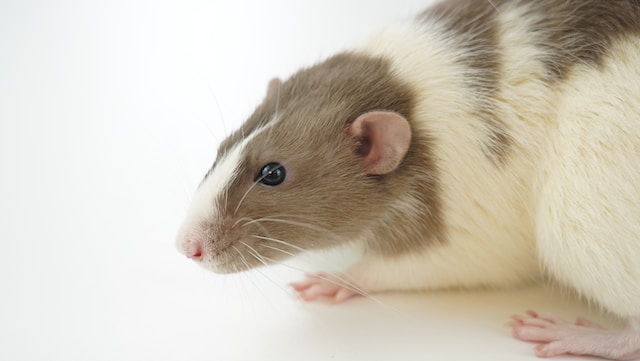
Reaction: Rats have imagination, according to a study

A research group has developed an innovative system that combines virtual reality and a brain-machine interface to probe the inner thoughts of rats. The results of their research, published in Science, suggest that, much like humans, animals can think about places and objects that are not right in front of them, using their thoughts to imagine walking to a location or moving a remote object to a specific point.

0