Bruno González-Zorn

Bruno González-Zorn

Bruno González-Zorn
Position

Professor at the Complutense University of Madrid (UCM), Director of the UCM’s Antibiotic Resistance Unit, Chair of One Health at the ‘Una Europa’ alliance, and adviser to the WHO

Antibiotic use is falling across the EU, but infections caused by drug-resistant bacteria are on the rise, with increases in Spain exceeding the European average
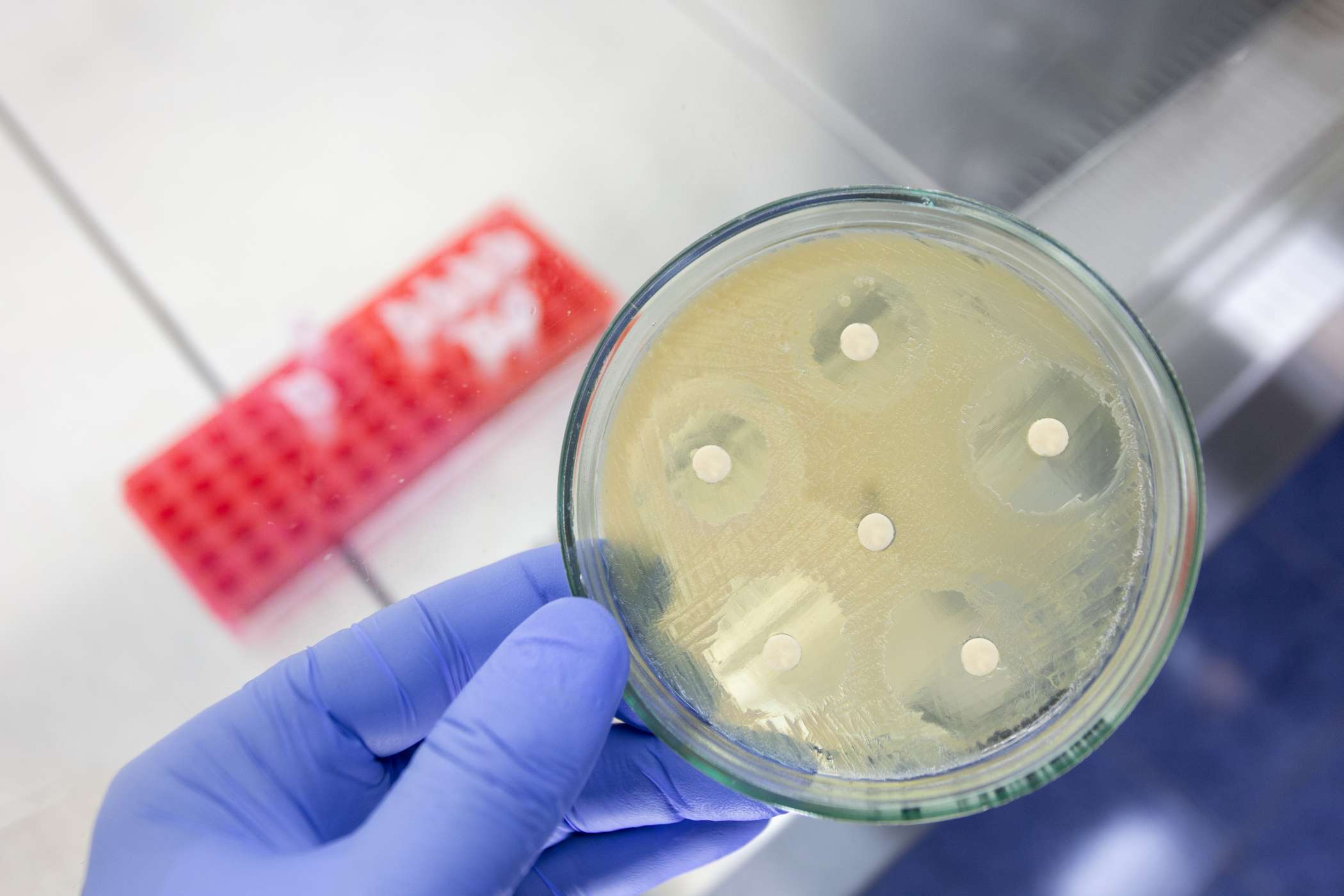
In 2025, the European Union (EU) reduced antibiotic consumption by 5 per cent compared with 2019, but infections caused by certain resistant bacteria continue to rise. According to the latest reports from the European Centre for Disease Prevention and Control (ECDC), during this period, bloodstream infections caused by carbapenem-resistant Klebsiella pneumoniae rose by 72 per cent, whilst those caused by third-generation cephalosporin-resistant E. coli rose by 16.4 per cent. In Spain, the latter increased by 76.1 per cent, almost five times more than in the EU as a whole. The agency warns that the EU is not making sufficient progress to meet several of the targets set for 2030 in the fight against antibiotic resistance.

0

Researchers observe link between drought and antibiotic resistance in soil bacteria

Drought is linked to the growth of antibiotic-resistant bacteria in the soil, according to a study published in Nature Microbiology. Using data from hospitals in 116 countries, the study observes a link between local aridity and the prevalence of antibiotic-resistant bacteria, although the research does not prove a causal relationship between the two phenomena.

0

Reactions: sales of antibiotics for animal use have fallen by almost 50 % in the last ten years

The EMA's annual European Surveillance of Veterinary Antimicrobial Consumption (ESVAC) report shows that sales of antibiotics for animal use have decreased by 47% between 2011 and 2021. In addition, sales of antibiotics considered "critically important" for use in humans have also decreased.

0