David Galadí-Enríquez

David Galadí-Enríquez

David Galadí-Enríquez
Position

Lecturer in the Department of Physics at the University of Cordoba

Topics

Lithium pollution from Falcon 9 re-entry into the atmosphere measured for the first time

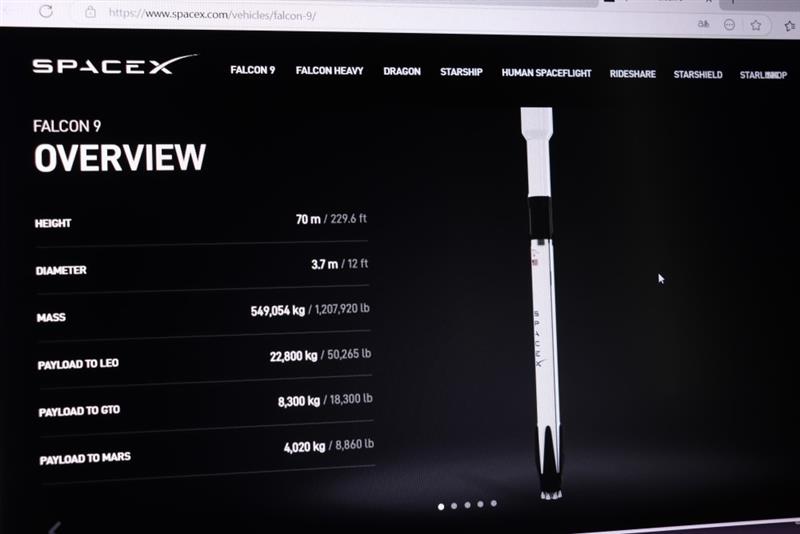
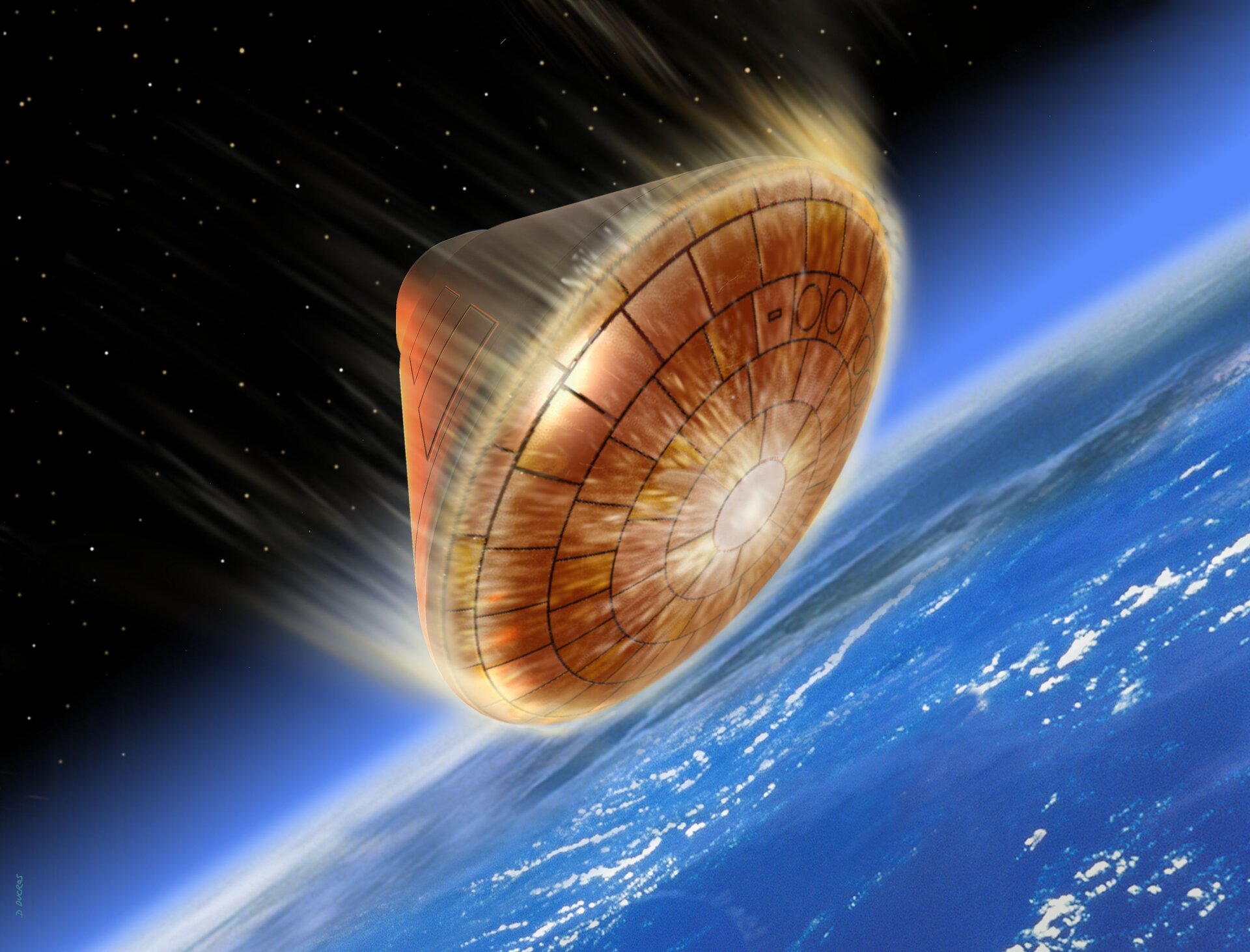
In February 2025, lithium concentrations suddenly increased around 96 km above sea level some 20 hours after a SpaceX Falcon 9 launch vehicle re-entered the atmosphere. This is the first direct detection of pollution in the upper atmosphere due to the re-entry of a spacecraft, according to a study published in Communications Earth & Environment. Lithium is used in spacecraft components, but it is only found naturally at these altitudes in trace amounts, and its accumulation could have consequences on the climate.

0

European Southern Observatory denounces industrial megaproject threatening Chile's Paranal Observatory, the world's darkest observatory

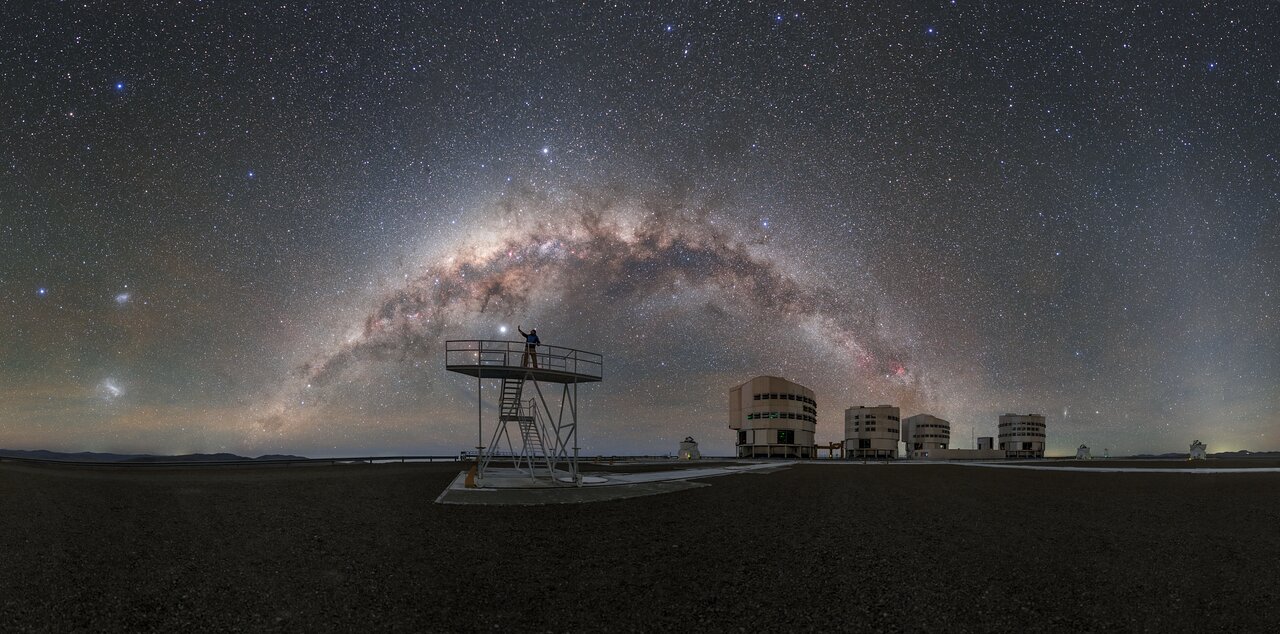
In a press release, the European Southern Observatory (ESO) warns that a huge industrial complex threatens the skies above the Paranal Observatory in Chile's Atacama Desert. According to ESO, on 24 December, AES Andes, a subsidiary of the US electricity company AES Corporation, submitted for environmental impact assessment a project for a huge industrial complex that would be located between 5 and 11 kilometres from the Paranal telescopes. This astronomical observatory, the darkest in the world, has led to important breakthroughs, such as the first image of an exoplanet or the confirmation of the accelerated expansion of the universe.

0

Reactions: two articles denounce the impact of space debris and near-Earth satellites on the night sky

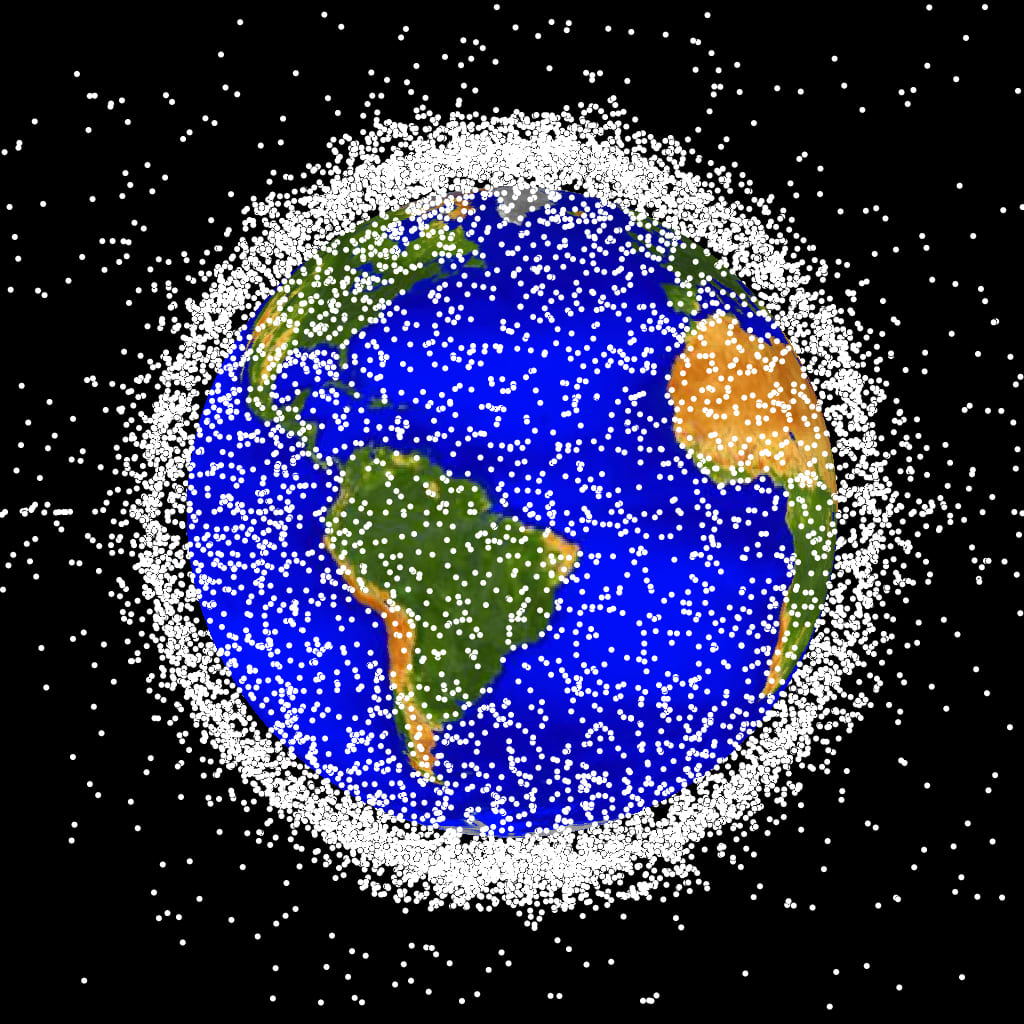
Space debris and satellites orbiting close to Earth have proliferated in recent years. Two articles in Nature Astronomy warn of their impact on light pollution. In the first, a team calculates the increase in the brightness of the night sky and warns of the effect on ecosystems and astronomical observations from Earth. In the second, which is a commentary, the authors call for limiting the production of artificial light and the number of satellites in orbit, calling on the scientific community to take on the big space and big light companies. Both articles are co-signed by Salvador Bará, from the Agrupación Astronómica Coruñesa, and the second by Fabio Falchi, from the University of Santiago de Compostela.

0

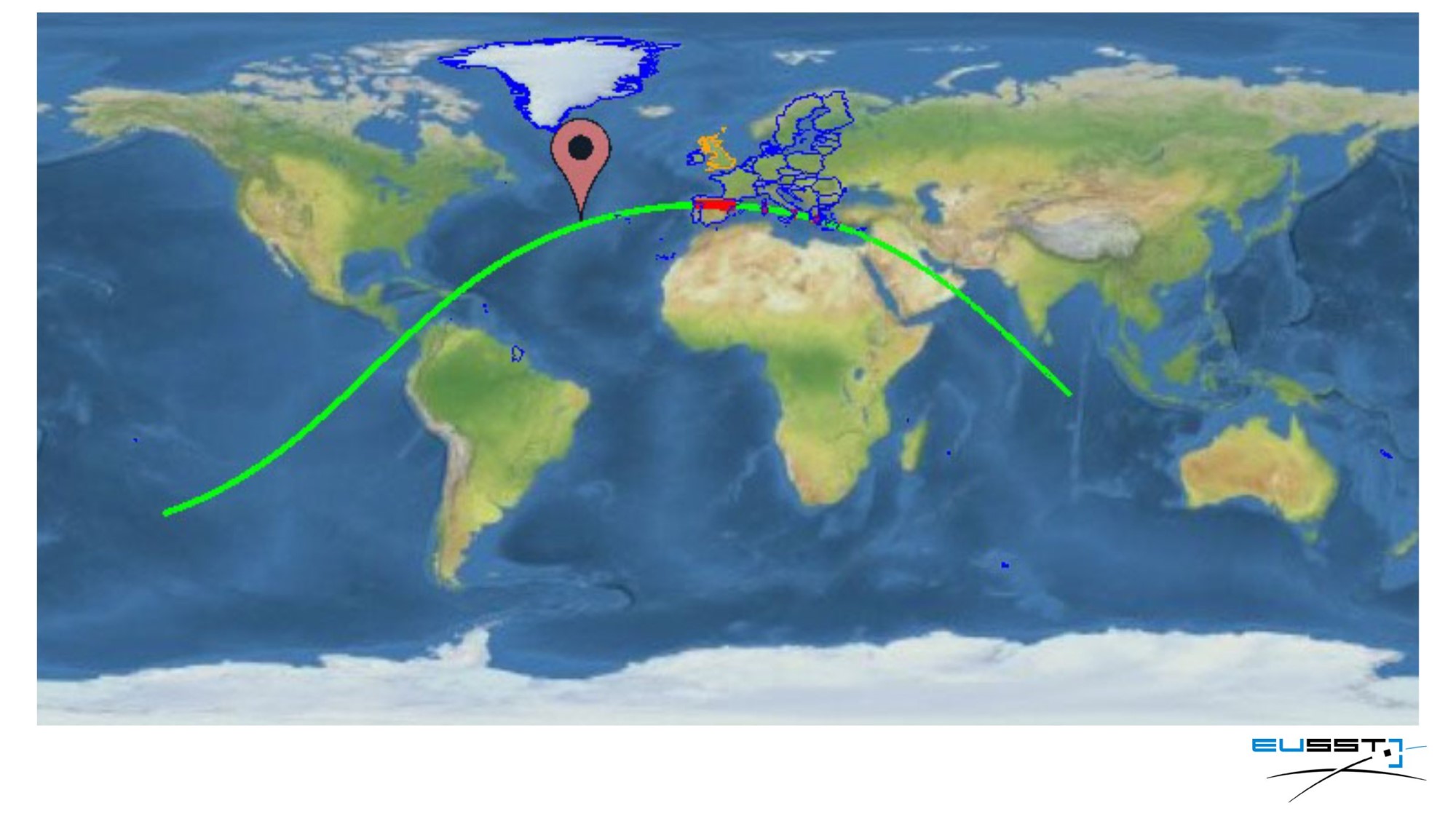
Reactions to the fall of a large Chinese rocket fragment to Earth have closed part of the airspace

Early this morning, the Spanish air navigation manager restricted a strip of airspace due to the possible passage of the Chinese space object CZ-5B, which had detached from the Long-March 5B rocket. The fragment finally fell over the Pacific Ocean and Spanish airspace is no longer restricted.

0