Fernando Ojeda

Fernando Ojeda

Fernando Ojeda
Position

Professor in the Department of Biology (Botany Section) at the University of Cádiz and researcher with the 'Ecology, Evolution, and Conservation in Terrestrial Ecosystems' (ECOTER) group

The rapid spread of extreme fires can lead to long-term changes in vegetation

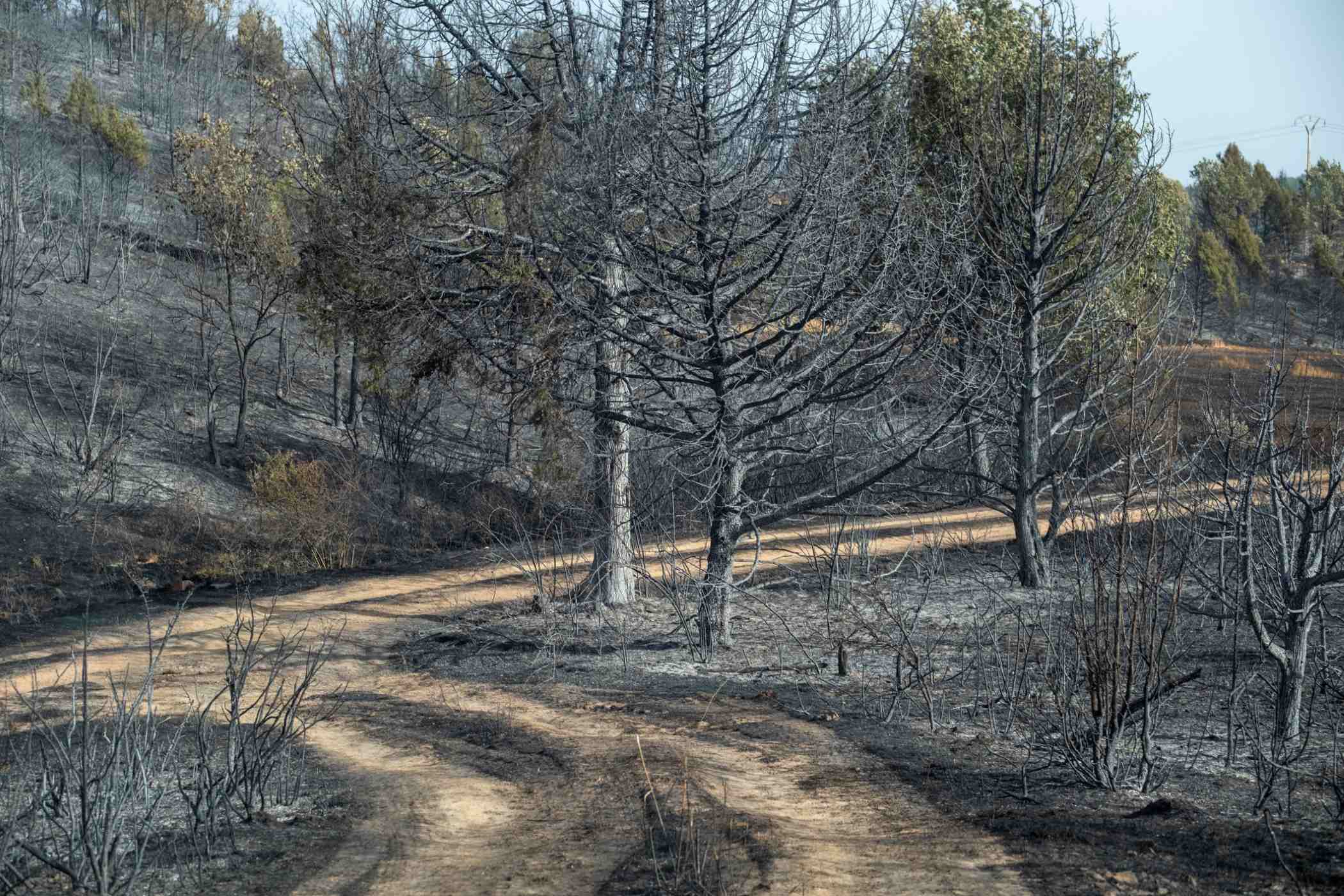
A study published in Science Advances has shown that areas affected by extreme wildfires – characterised by rapid spread and great difficulty in extinguishing them – have lower tree cover and reduced resilience compared to less intense fires, which may lead to long-term changes in vegetation. The team analysed 32.1 million hectares of coniferous forest in Canada and the western United States that were affected by fires between 2012 and 2023. Of this area, more than a third was burnt by extreme fires. In these cases, they observed that the faster the fire front advances, the greater the size and severity of the fire and the greater the distance from seed sources for the surviving trees, paving the way for long-term changes in vegetation.


0

So far this year, almost 120,000 hectares have been destroyed by fire in Spain – one of the highest figures recorded for this time of year

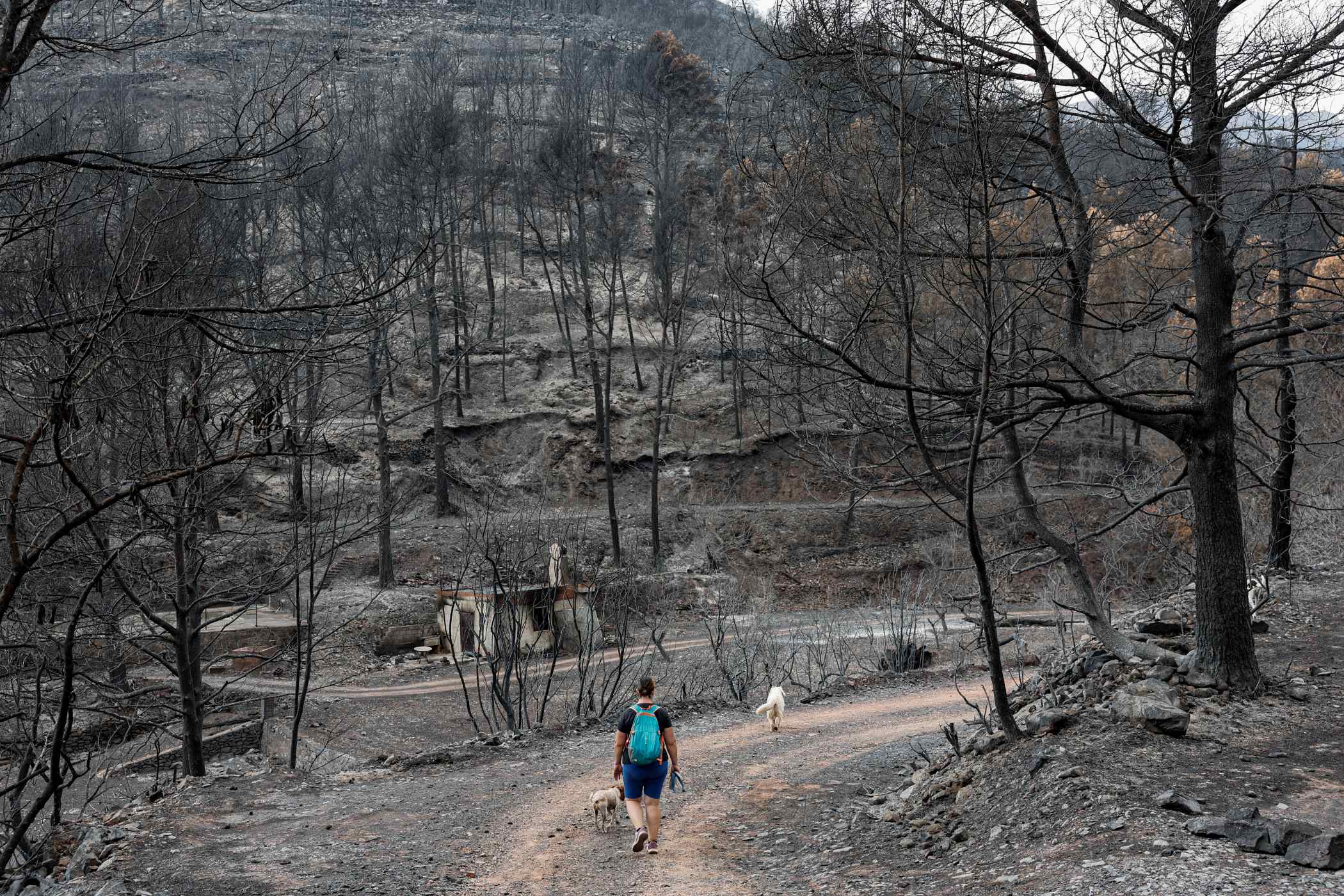
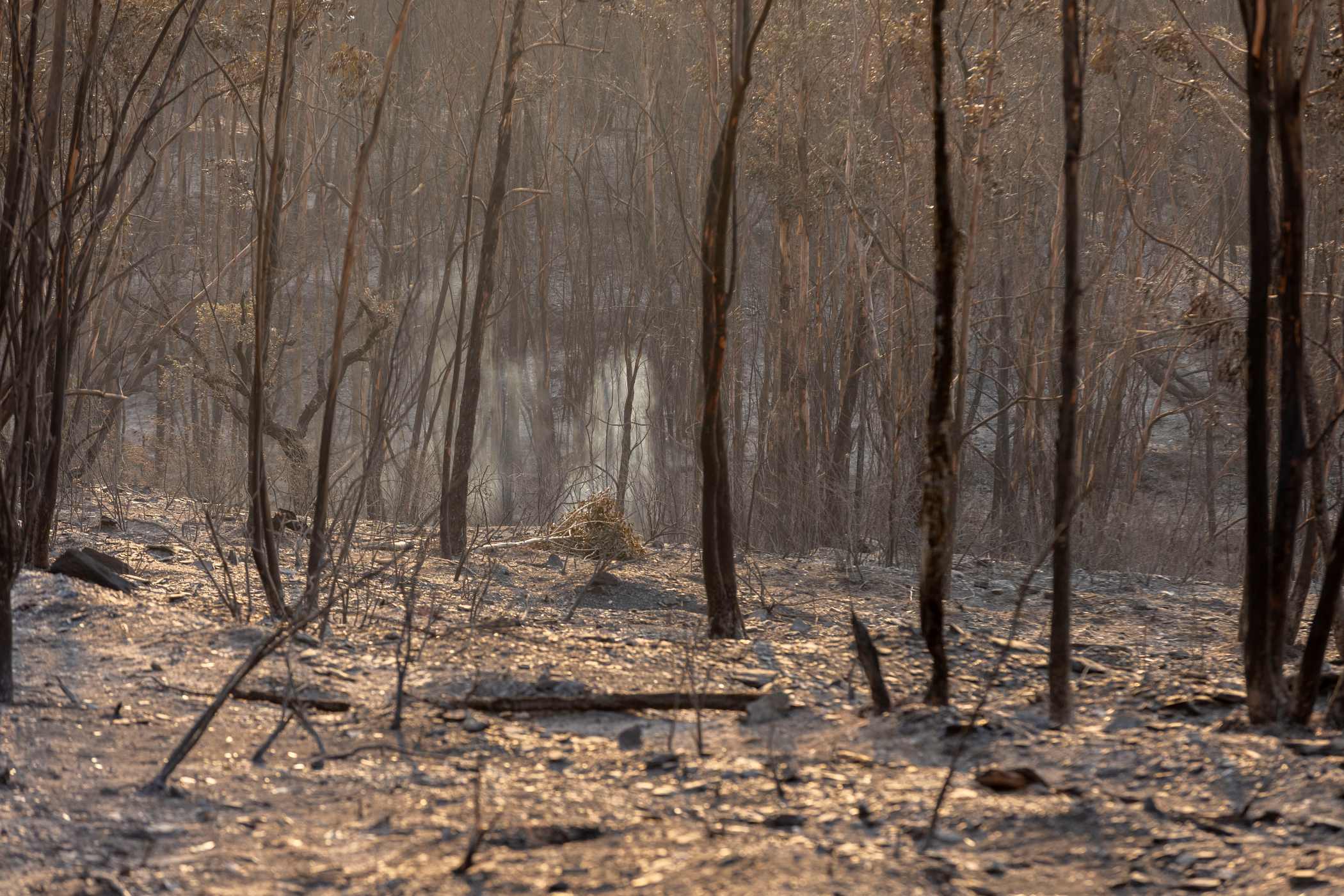
Data from the Copernicus European Forest Fire Information System (EFFIS) show that, as of 22 July, 119,458 hectares have been burnt in Spain. The average number of hectares burnt from 2006 to 2025 up to this date stands at 35,736 hectares. The fire in the Sierra Norte de Guadalajara, which has scorched more than 30,000 hectares and is still active, together with numerous fire fronts in other provinces and the fire in Los Gallardos (Almería), in which 13 people died, have caused the total area burnt to soar.


0

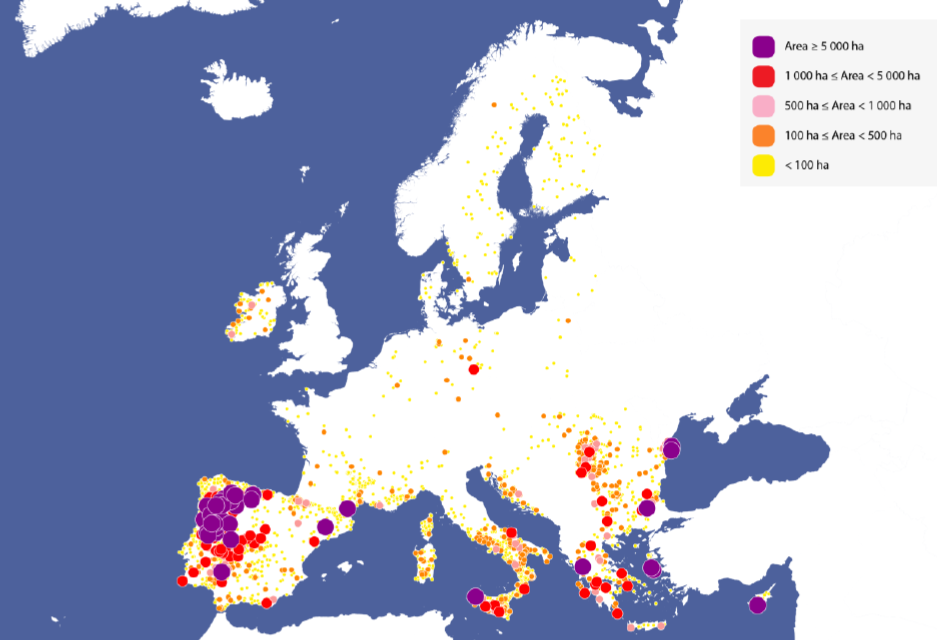
Wildfires in 2025 burned more than one million hectares across the European Union, with nearly half of that area located on the Iberian Peninsula

The 2025 wildfire season was the worst the European Union has seen in the last century. According to a report by the European Forest Fire Information System (EFFIS), managed by the European Commission’s Joint Research Centre (JRC), more than one million hectares were burned last year. Some 43% of that figure was burned in the major fires that occurred in Spain and Portugal during the summer. The report also covers the rest of the European continent, the Middle East, and North Africa, resulting in a total of more than two million hectares of burned area.

0

Extreme heat and wind keep numerous fires burning on the peninsula

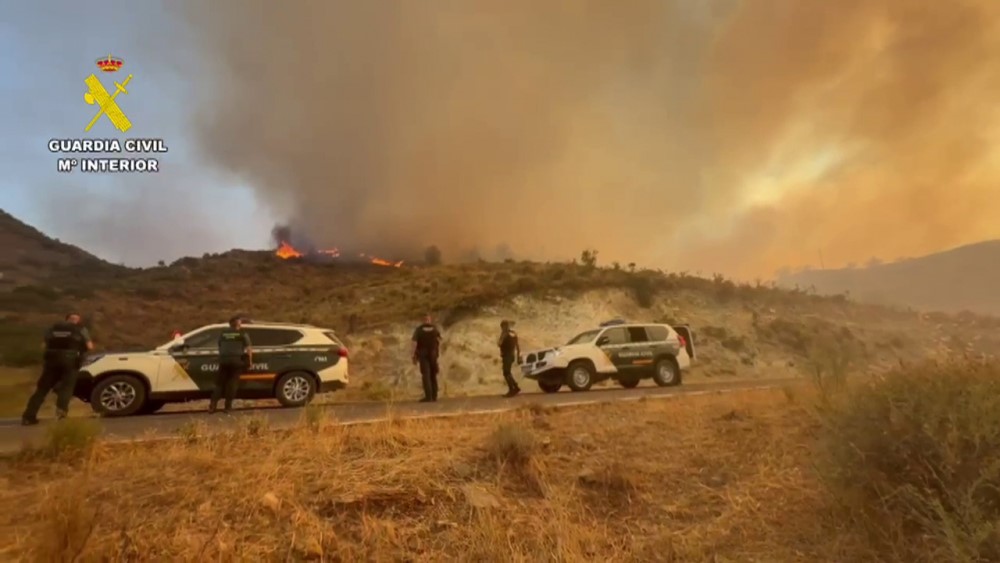
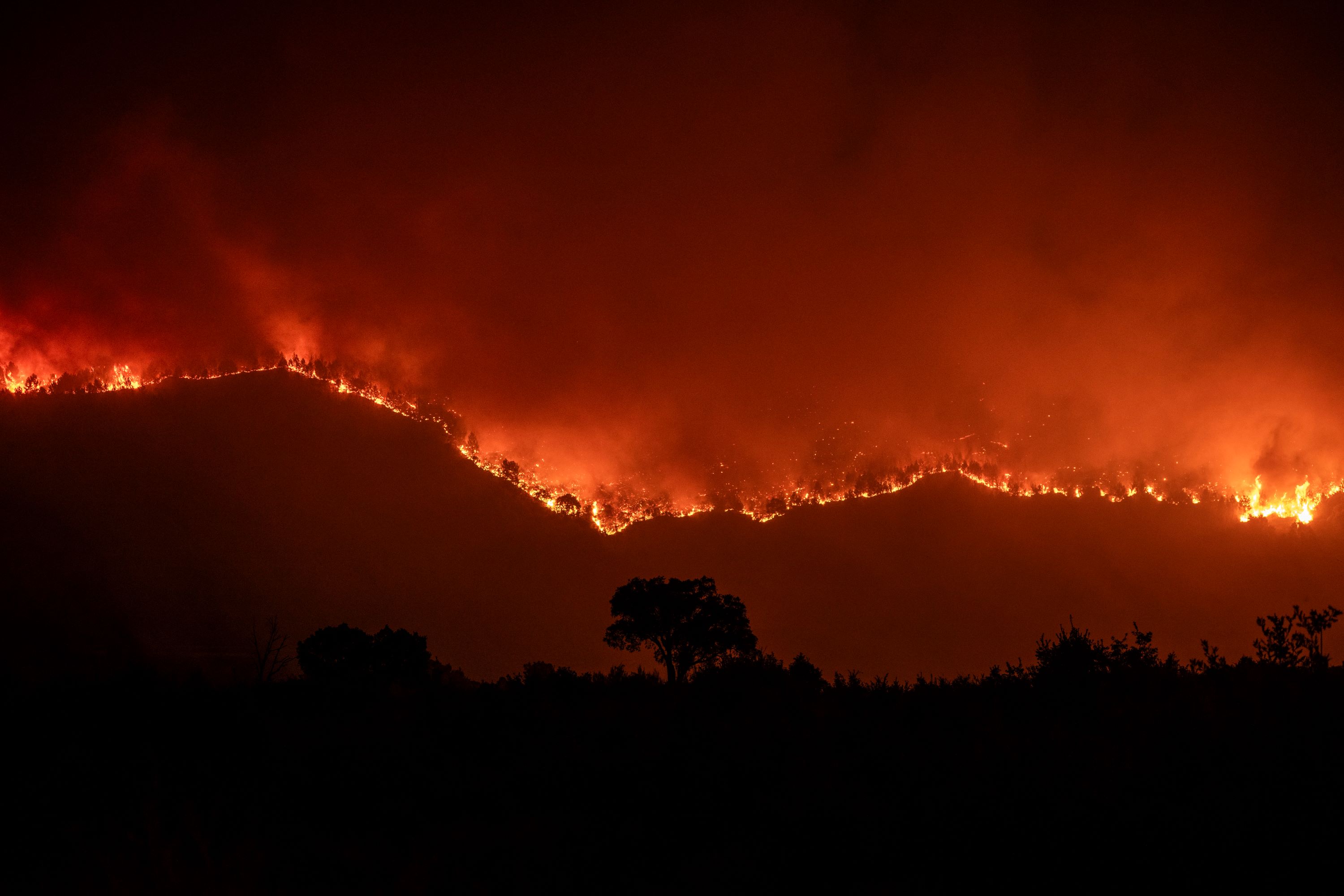
Four people have died in the fires that began last weekend on the Iberian Peninsula and have spread to different areas of Galicia, Castile and León, Andalusia, Castile-La Mancha, Extremadura and Madrid. The heatwave that continues to grip the country, strong gusts of wind and their changing direction, and the thermal drought are hampering firefighting efforts. The government declared on Tuesday a pre-emergency phase and thousands of people have had to be evacuated.

0