Javier Armentia

Javier Armentia

Javier Armentia
Position

Astrophysicist, science communicator and former director of the Pamplona Planetarium

Topics

How the solar eclipse was experienced from different parts of Spain
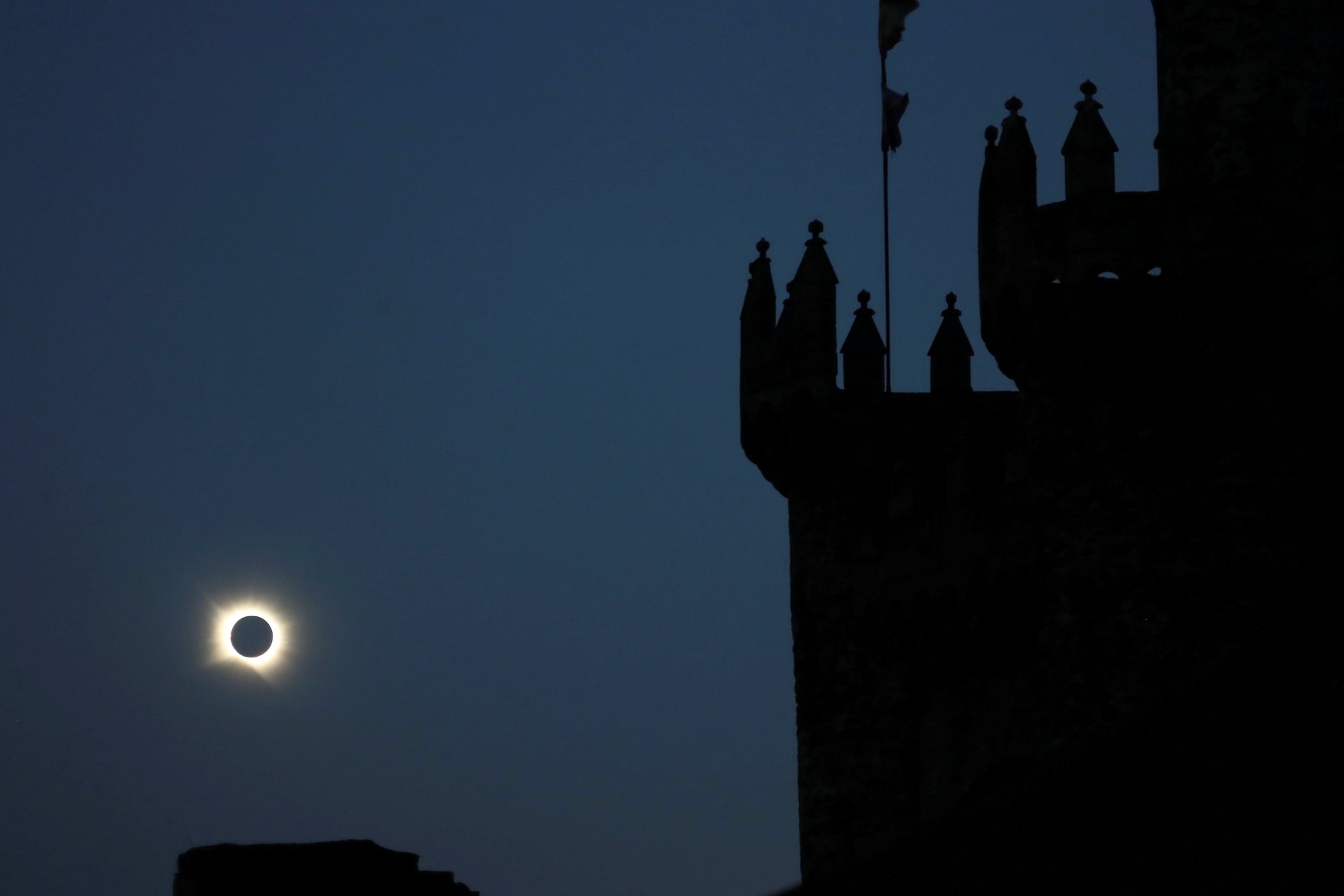
We hadn’t seen a total solar eclipse on the Iberian Peninsula since 1912, and this Wednesday, just before sunset, the celestial bodies aligned once more. That perfect cosmic dance between the Sun, the Moon and the Earth could be seen from numerous regions across Spain. Among the millions of people who observed the phenomenon in Spain, eclipse experts share their impressions with SMC Spain.


0
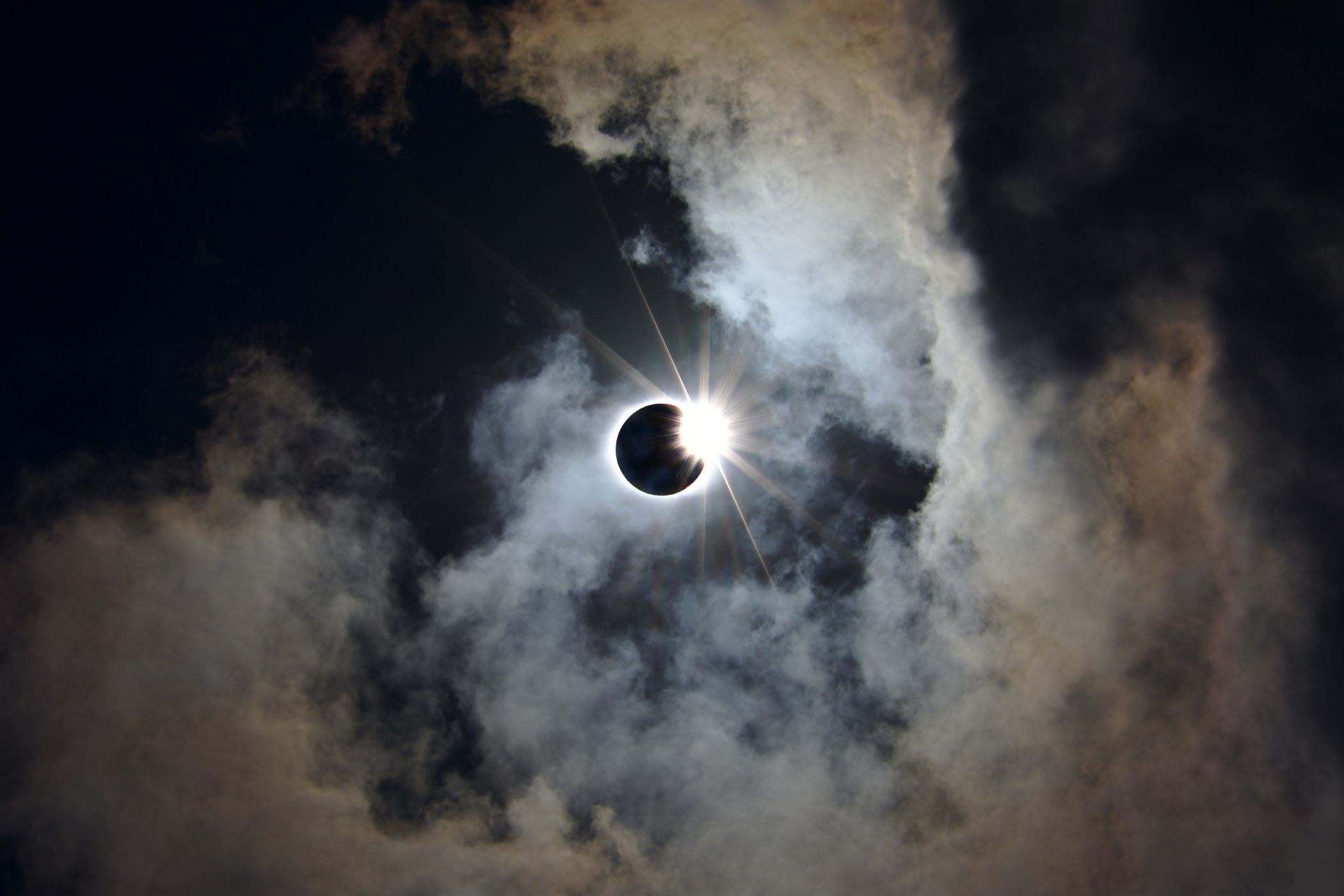
Myths and superstitions about eclipses: why some people believe them and what risks they pose

Premature births, babies born with birth defects, bad luck, satellite and telecommunications failures… Eclipses are attributed with a wide variety of consequences that have no scientific basis and are largely rooted in cultural traditions and deep-seated misconceptions. With the help of expert sources, in this article we explain why some people believe in them, what the main risks are and how to counter them. 

0

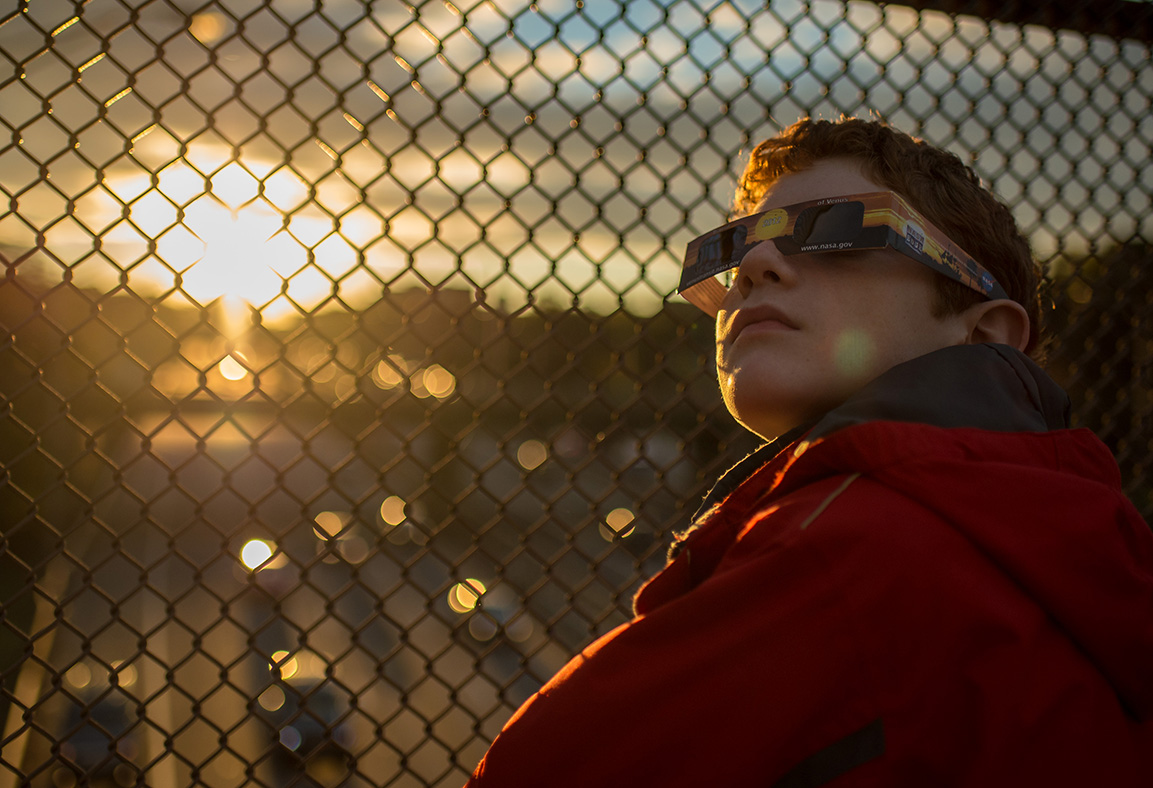
“Unique, strange, overwhelming”: what it feels like to experience a total solar eclipse

Research into the reactions of people who have witnessed total eclipses reveals that they are transformative experiences. All accounts speak of the amazement of seeing something that should not happen, but does. When the stars play hide-and-seek for a few minutes, what happens to the spectators is much more than the sum of orbits and analytical mechanics; it is emotion.

1

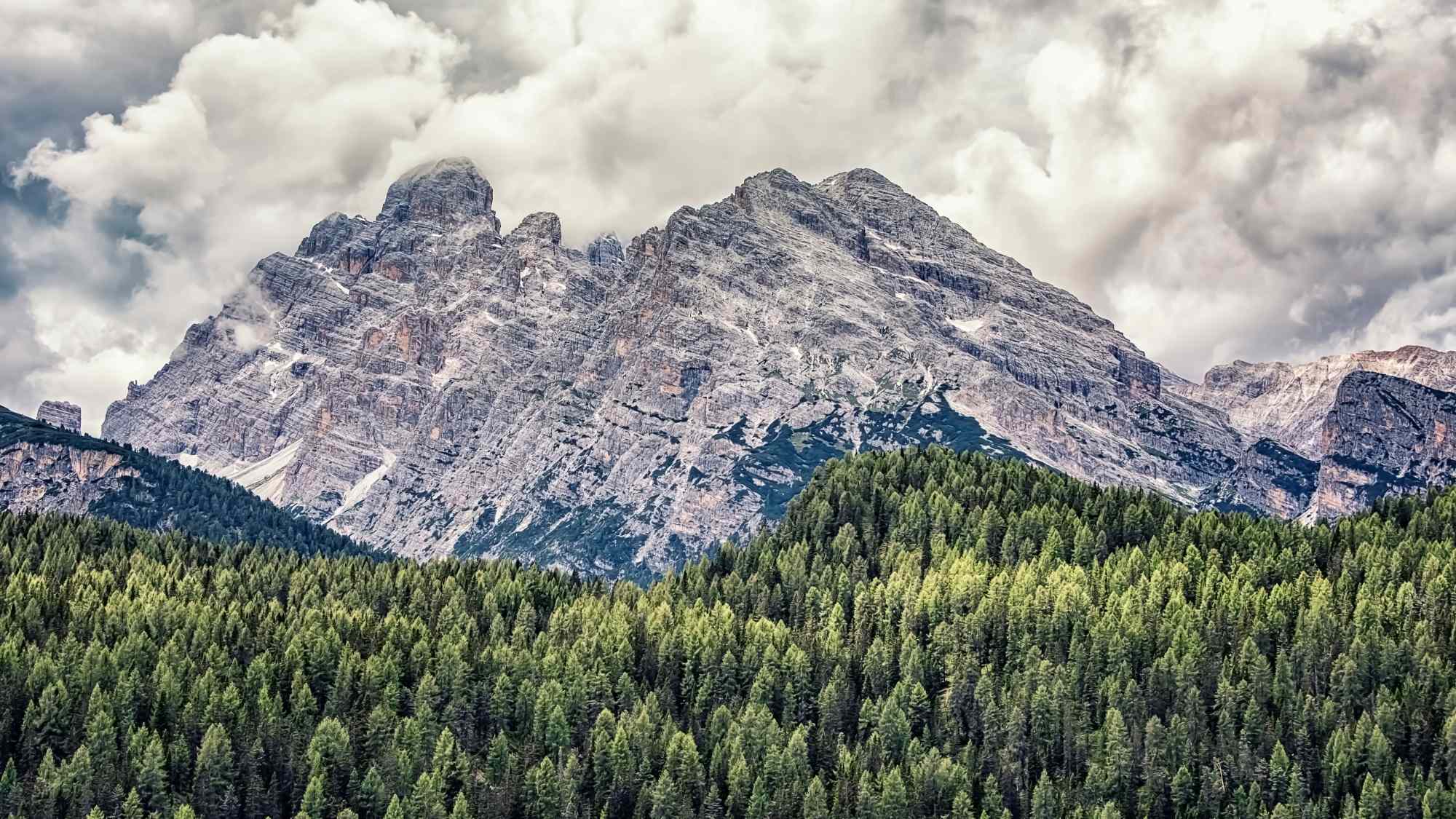
Scientists debunk claim that trees can anticipate a solar eclipse, as suggested by 2025 study

The claim that one type of tree—Picea abies—can anticipate a solar eclipse through electrical signals is based ‘on speculative interpretations and unsupported evolutionary assumptions,’ according to an opinion piece published in the journal Trends in Plant Science. The paper refutes another from 2025 that claimed these trees synchronised their bioelectrical behaviour hours before a solar eclipse in Italy's Dolomite region. According to the authors of the new article, this electrical activity can be explained by temperature changes and atmospheric electrical discharges.

0